Counter-drone warfare is no longer just about performance. It’s about scale. This independent analysis by Nguoi Giai Ma and East Asia Sentinel looks at why Slinger is being discussed as a different approach to counter-drone defence, focused on mobility, precision, and affordability, and why analysts see this as disruptive to traditional European military procurement thinking.
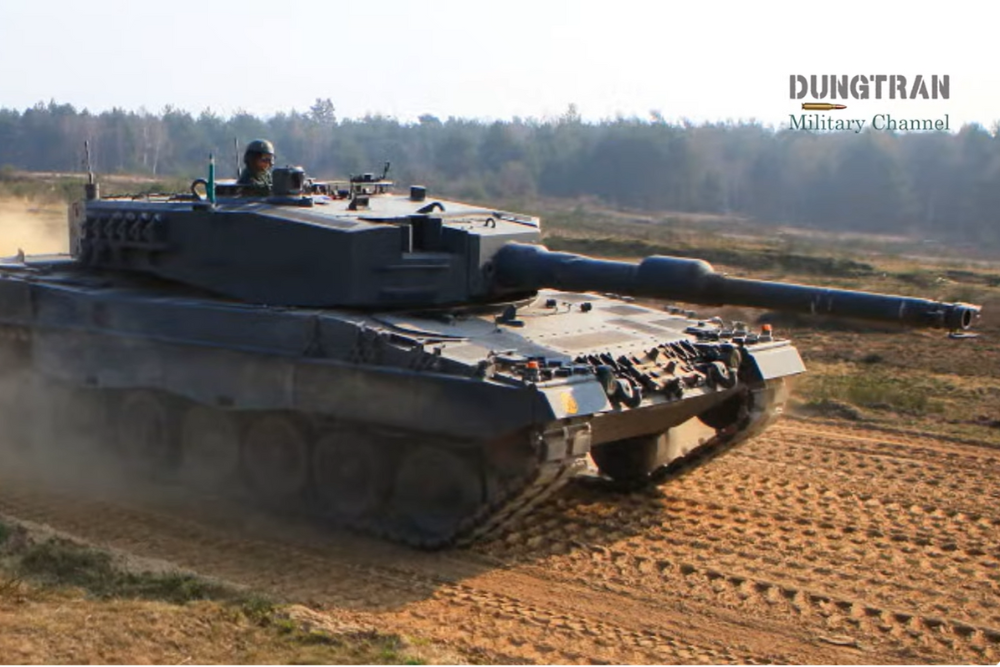
Germany is renowned for its engineering, from the Leopard 2 to Rheinmetall’s industrial platforms. That makes Berlin’s decision to fund the acquisition of the Australian-designed Slinger system for use in Ukraine particularly notable.
The video examines how the drone war in Ukraine has exposed the limits of high-cost air defence solutions against low-cost threats. While European industry offers highly capable systems, these are often optimised for heavier platforms and longer development cycles. Slinger is presented instead as a pragmatic, software-driven capability focused on precision engagement using standard ammunition.
A key theme is mobility. Weighing under 400 kilograms, Slinger can be mounted on light tactical vehicles or commercial trucks, allowing rapid deployment and a low logistical footprint. According to the analysis, this flexibility has become as important as firepower in the Ukrainian operating environment.
The commentators argue that Germany’s decision reflects a broader shift in defence procurement. Rather than replacing existing air defence layers, Slinger addresses a specific gap, providing an economical, close-in counter-drone capability at scale.
Watch the video: