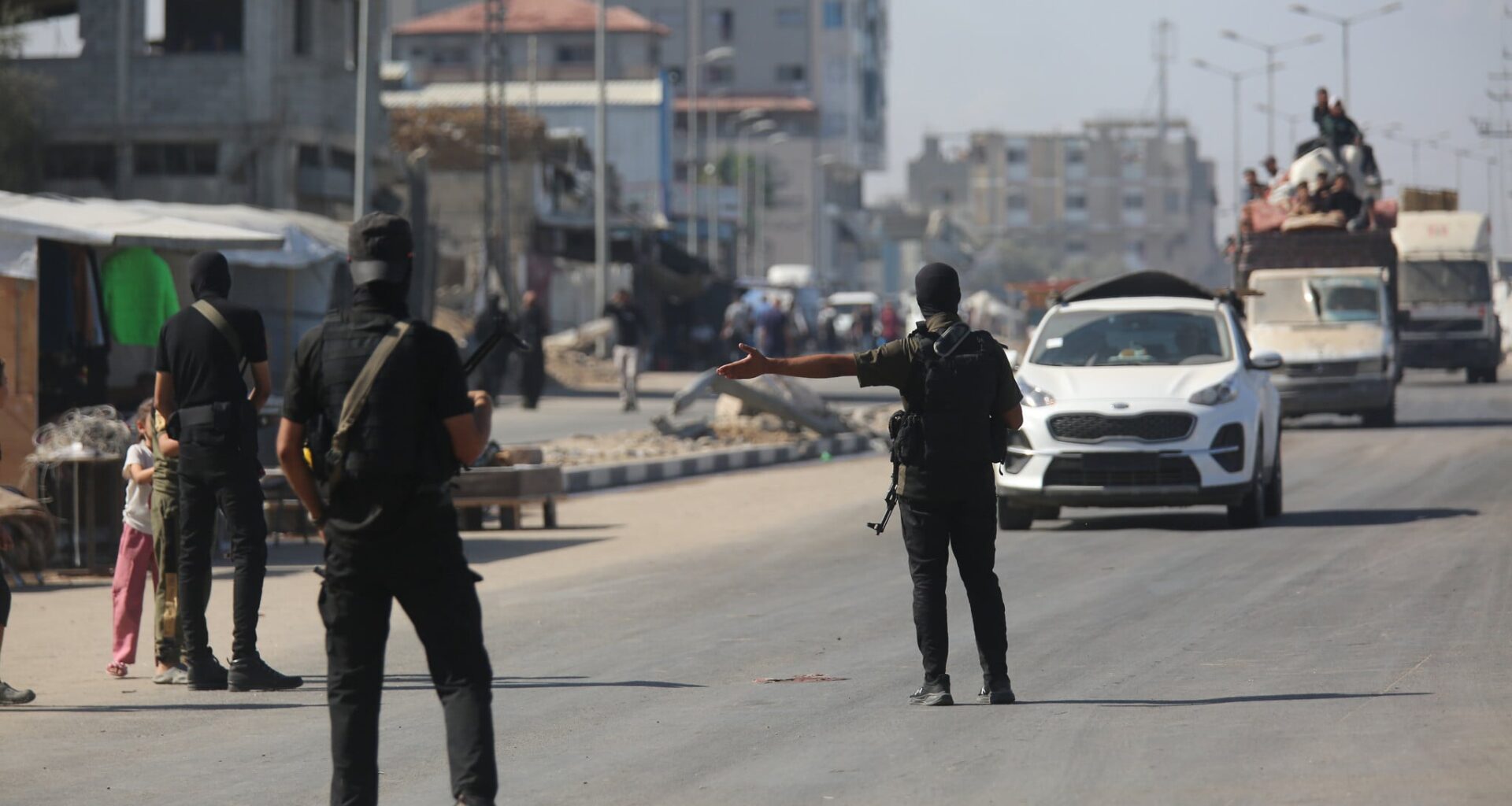
Israel’s defense establishment believes that Hamas will soon relinquish authority over the Gaza Strip to a newly formed committee of Palestinian technocrats; however, at least in the short term, the terror group would remain de facto in control of the territory, an Israeli security official said Thursday.
Hamas currently retains control of just under half of Gaza following an October ceasefire deal brokered by US President Donald Trump. The agreement, laid out in Trump’s 20-point plan to end the war, ties further Israeli troop withdrawals to the disarmament of Hamas and the demilitarization of Gaza.
While Jerusalem sees Hamas as unlikely to voluntarily disarm, the security official admitted that doing so by force could be expected to take years to achieve, though the goal is attainable.
The ceasefire, now in its second phase, calls for the day-to-day governance of Gaza to be handed to the newly formed National Committee for the Administration of Gaza, or NCAG, a Palestinian technocratic body that is meant to exclude Hamas.
The 12-member technocrat committee is headed by former Palestinian Authority deputy minister Ali Shaath. Several other bodies will oversee Gaza under the umbrella of the Board of Peace, a group of world leaders inaugurated by Trump last week.
Get The Times of Israel’s Daily Edition
by email and never miss our top stories
By signing up, you agree to the terms
“Protocols are prepared, files are complete, and committees are in place to oversee the handover, ensuring a complete transfer of governance in the Gaza Strip across all sectors to the technocratic committee,” Hamas spokesman Hazem Qassem told AFP on Wednesday.
According to the security official, Israel believes that even if Hamas officially announces that it has handed over control of Gaza to the technocratic government, it would still have tens of thousands of armed members in its military wing and internal security forces across the Strip, as well as civil servants in key roles.
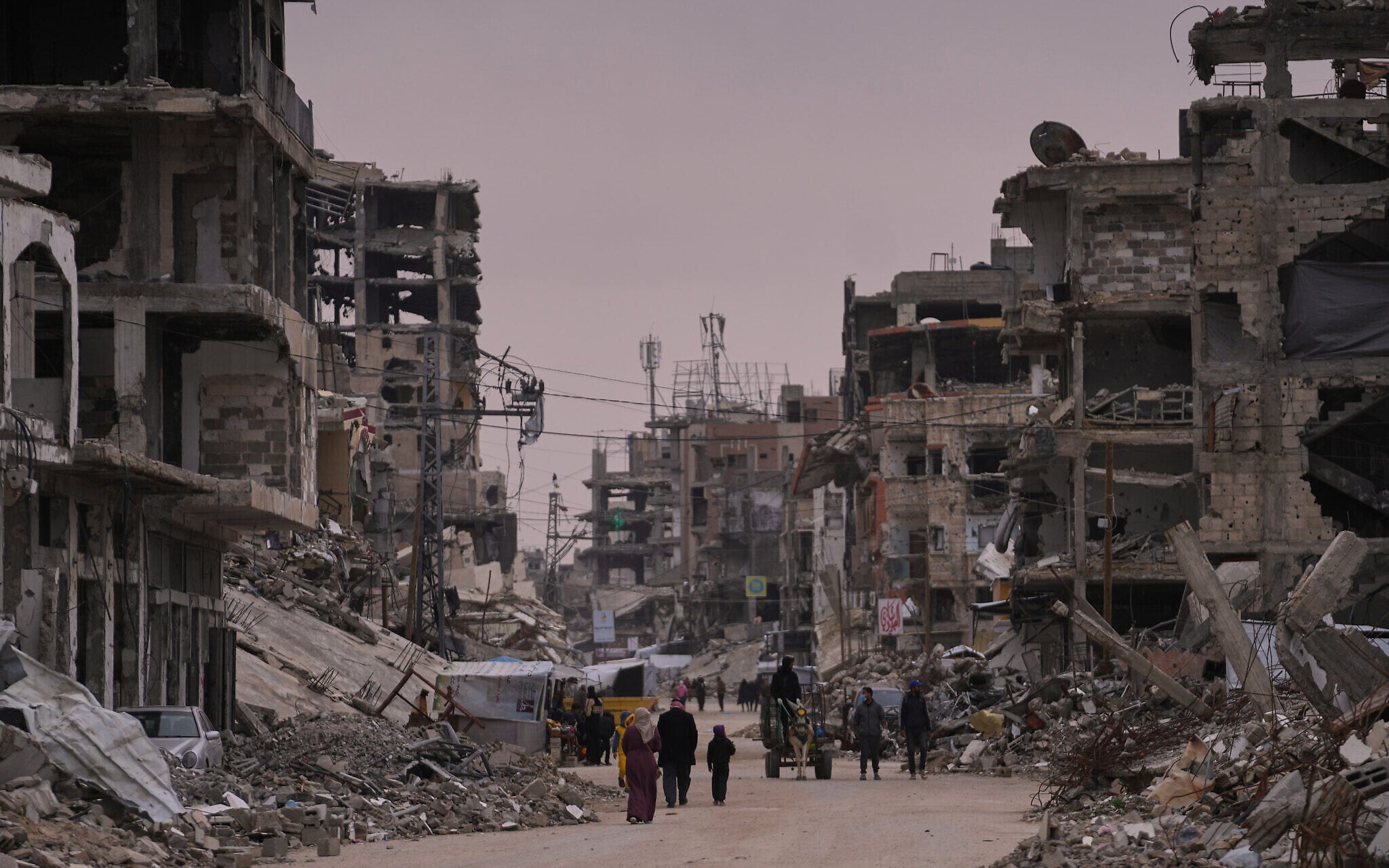
Palestinians walk along a street surrounded by buildings destroyed during Israeli air and ground operations in Khan Younis, southern Gaza Strip, January 22, 2026. (AP Photo/Abdel Kareem Hana)
This week, Reuters reported that the Hamas government urged its more than 40,000 civil servants and security personnel to cooperate with the technocratic body, and assured them it was working to incorporate them into the new government. That would include the roughly 10,000-strong Hamas-run armed police force.
Israel does not distinguish between the military wing of Hamas, its police and internal security forces, or political bureau, considering all as part of the same terror infrastructure. It is unlikely to agree to any inclusion of Hamas in the technocratic government or in any body tasked with policing the Strip’s approximately 2 million residents.
But the Israeli security official conceded that it would likely take a long time — possibly over a year — for the technocrat government to replace Hamas members serving in key roles, such as directors of hospitals and mayors, let alone replacing the entire police force with individuals unaffiliated with Hamas.
Still, some police officers and civil servants currently serving under the Hamas government may be able to transition into the new technocrat government, the security official said, if Israel can verify that they are not “overt” members of the terror group, rather just employed by it.
“There is a simple truth regarding what has happened in Gaza… basically all the people in Gaza — hundreds of thousands of them — either worked for the PA or worked for Hamas. So go find someone — a water engineer, for example — who didn’t work for either body. You won’t find one,” Prime Minister Benjamin Netanyahu said in a press conference on Tuesday.
“We still intend to express our opinion and conduct vetting to [rule out] members of the [Hamas] military wing or other people from all kinds of [terror] groups, who won’t be allowed,” he said.
Netanyahu’s comments would be a welcome development to Arab diplomats who have told The Times of Israel that the premier’s office has been pushing back against the hiring of PA civil servants in what has hamstrung efforts to build around the NCAG.
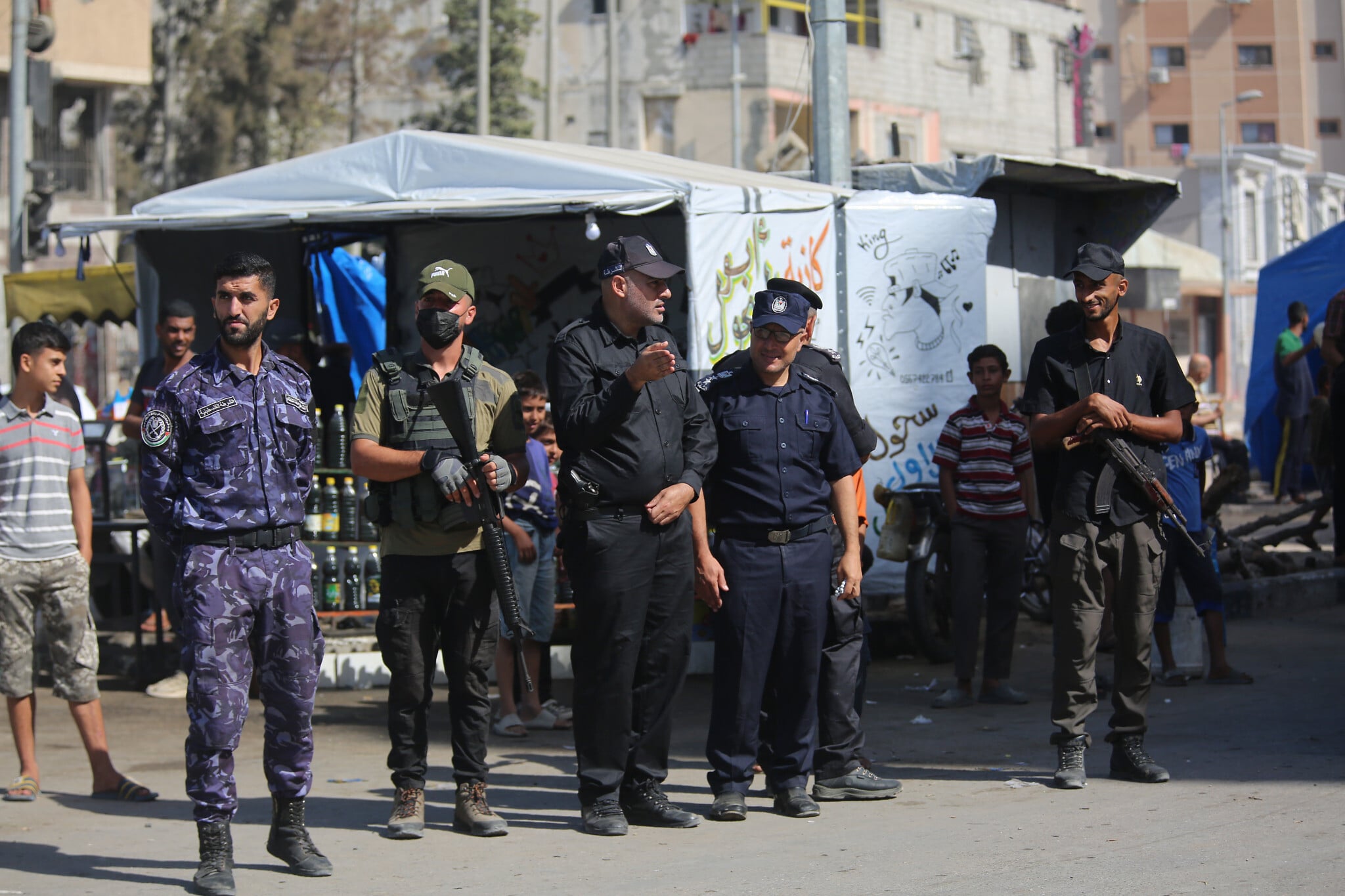
Hamas police forces deploy in Gaza City on October 11, 2025. (Ali Hassan/Flash90)
In the short term, nothing would change on the ground in Gaza with the handover of authority from Hamas to the technocratic government, the security official said, stressing that the terror group would remain in power — and continue to try and get stronger — both militarily and on the domestic front.
A related sticking point for Israel is the issue of Hamas disarmament, as stipulated in Trump’s plan. Two Hamas officials told Reuters this week that neither Washington nor the mediators had presented the terror group with any detailed or concrete disarmament proposal yet.
The Trump administration wants to see heavy weapons — such as rockets and missiles — decommissioned immediately, with “personal arms” being registered to the technocratic body’s police force. Israel is expected to demand that only handguns be allowed to be used by Gaza’s new police, with assault rifles and any other heavy weapons handed over.
The Israeli security official said it was more likely that the IDF would have to act militarily against Hamas to disarm it, as they believe the terrorist organization will not do so of its own accord. Disarming Hamas with military force is achievable, but would likely take many years, the official said.
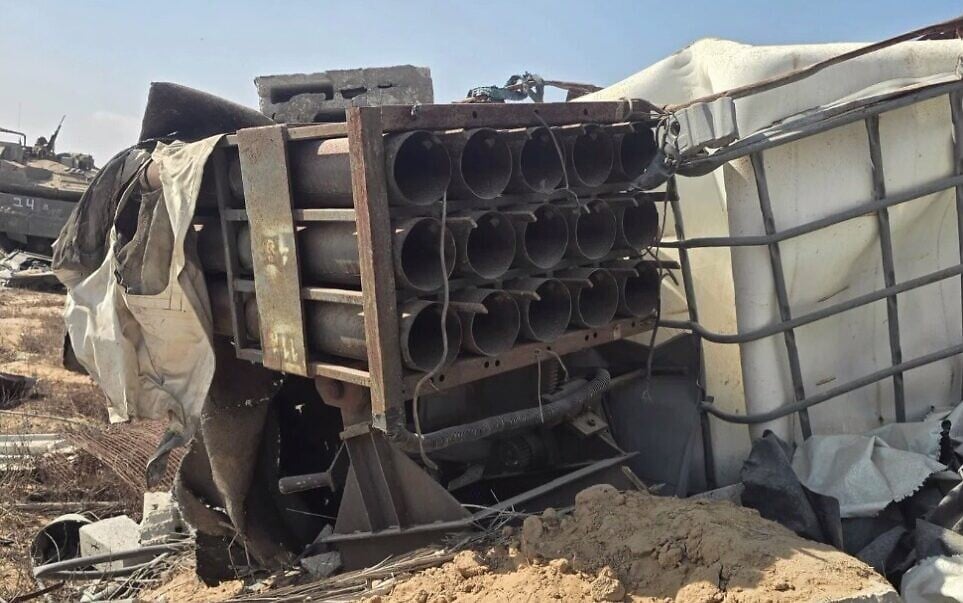
A rocket launcher found by troops in southern Gaza’s Rafah, in a handout photo issued on November 1, 2025. (Israel Defense Forces)
The official also suggested that should Hamas not hand over authority to the technocrats committee and disarm, Israel could resort to the “Hezbollah model,” referring to near-daily strikes on attempts by the Lebanese terror group to rebuild in Lebanon following a November 2024 ceasefire.
And without Hamas disarming, Israel is not expected to withdraw troops from the Strip or approve any rebuilding efforts in the war-torn territory, including plans for a housing compound on the ruins of Rafah, an area controlled by the IDF.
The “New Rafah” residential area includes an Israeli checkpoint to screen those entering, and the official said it could serve as a litmus test for future neighborhoods in what is referred to as “New Gaza,” or the part of Gaza currently under IDF control.
Reopening Rafah
With the recovery of the final hostage held in Gaza, Master Sgt. Ran Gvili, Israel was set to allow the Rafah Crossing between the Strip and Egypt to reopen for pedestrian traffic in both directions in the coming days.
While Israel will not have a physical presence in the crossing itself, anyone moving from Egypt into Gaza will go through IDF-controlled territory. Israel will also maintain oversight by a remote surveillance system at the crossing and be in charge of granting advanced approval to travelers coming in and out of the Gaza Strip.
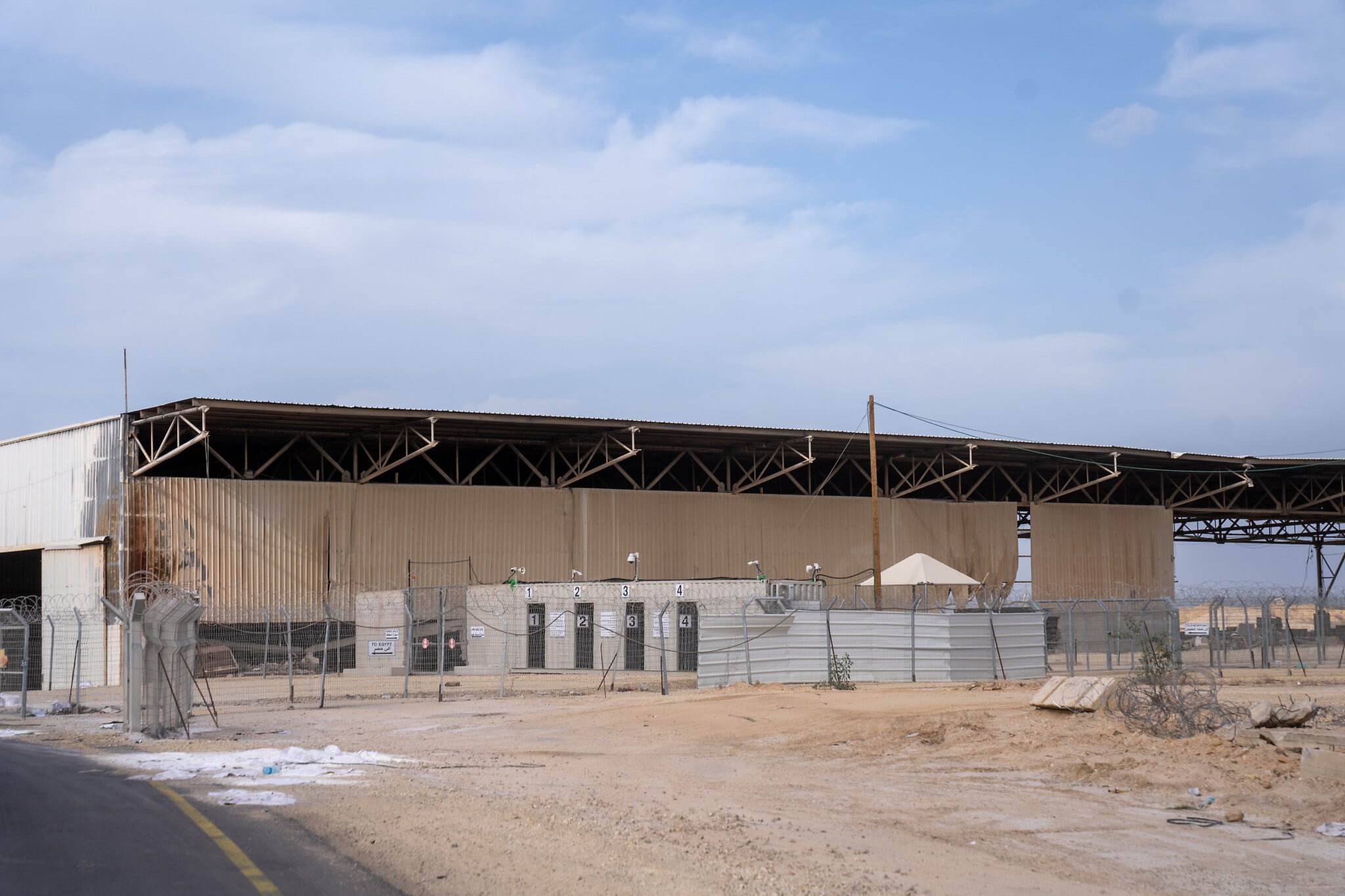
The upgraded Gazan side of the Rafah Crossing with Egypt, pictured on December 8, 2025. (Emanuel Fabian/Times of Israel)
All Gazan Palestinians seeking to enter or leave the Strip will be required to have Egyptian approval, and Egypt was to send the names to Israel’s Shin Bet domestic security service for clearance. Israeli officials said each name would be looked at individually, and if any top terror commanders seek to leave Gaza, they would be denied.
A team of Palestinian Authority representatives and monitors from the European Union stationed at the Rafah Crossing will be tasked with conducting security screenings at the crossing for those leaving the Strip.
Israel will only supervise the exit of Gazans to Egypt remotely. From a control room, Israeli officers, using facial recognition software, will verify that those leaving the Strip are on the list of approved names, and open up a gate at the crossing to allow them through.
The entry into Gaza from Egypt will, however, include an Israeli security screening, as those Palestinians will arrive at an IDF checkpoint after crossing through the Rafah Crossing. Only afterward will they be permitted to continue toward the Hamas-controlled areas of Gaza.
According to data from Israel’s Coordinator of Government Activities in the Territories, some 42,000 Gazans left the Strip during the war, the vast majority of them patients seeking medical treatment abroad or dual citizens.
It is unclear how many Gazans would seek to return to the Strip, and some Israeli officials even estimate that Gaza will see net negative migration in the coming years.
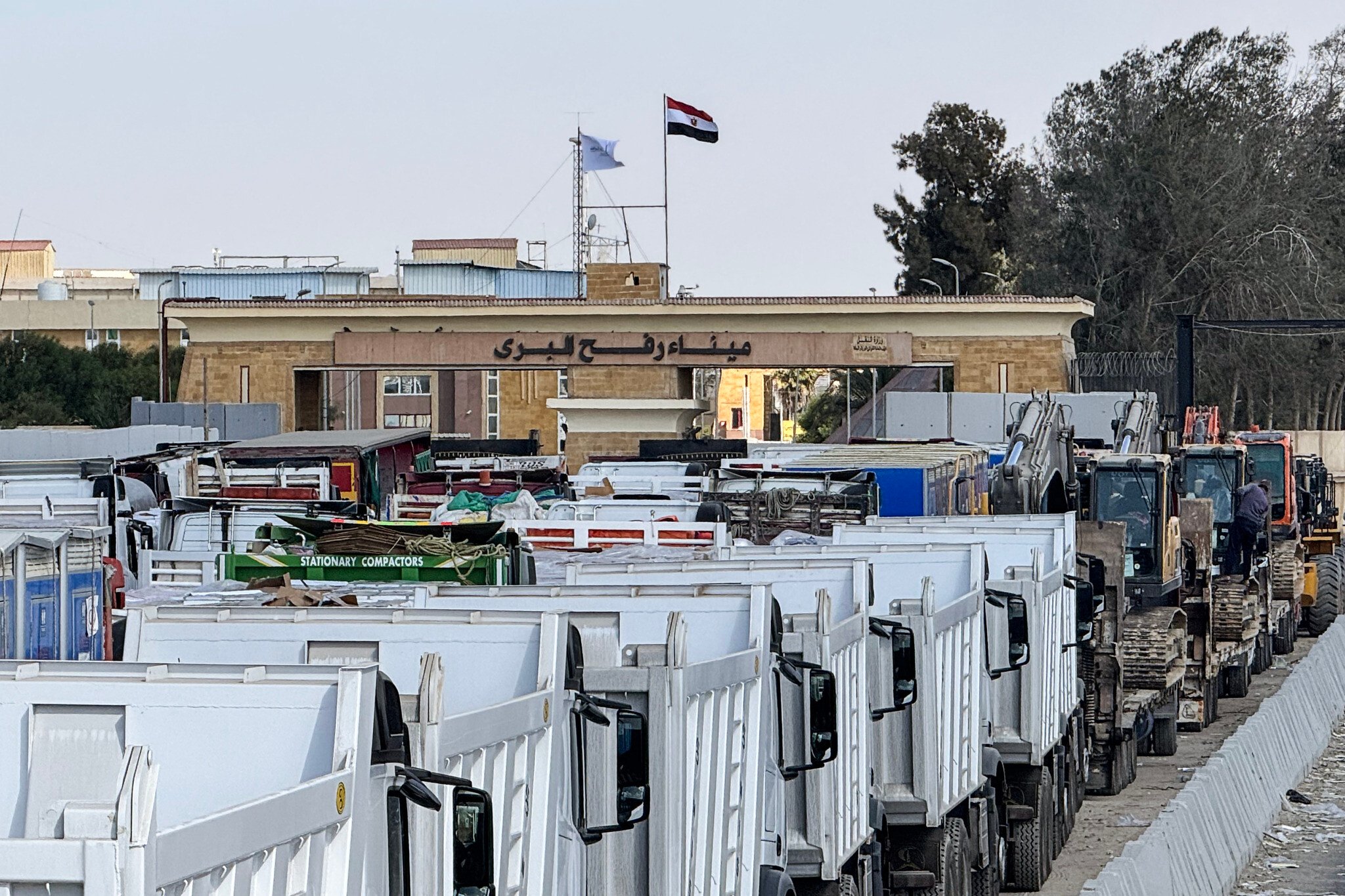
Egyptian trucks and heavy machinery line up on the Egyptian side of the Rafah border crossing with the Gaza Strip on October 26, 2025. (AFP)
According to Netanyahu, 50 Gazans and their families will be permitted to enter via the crossing per day, while there will be no restrictions on the number allowed to leave.
There are no plans to allow the crossing to be used for goods, and Israel has demanded that all trucks go through its checkpoints with the Strip to screen them for prohibited goods, especially weapons.
In the years before the war, Hamas used the Rafah Crossing to bring in numerous weapons and other supplies into the Strip for its military wing, without any Israeli oversight, according to the IDF and security officials.
The Israeli defense establishment is backing an idea for a tri-border crossing between Israel, Egypt, and Gaza, where the current Kerem Shalom Crossing is located.
Under the current ceasefire deal, 600 trucks on average of aid and goods enter the Strip every day, though Israeli security officials have said that this is well beyond the needs of Gazan residents, and that Hamas takes advantage of the oversupply to rebuild the terror group.
Israeli officials said that there is no real way to prevent Hamas from using the aid trucks for its own benefit, though more limited numbers of trucks — in line with what they say are the Strip’s actual needs — would be easier for Israel to monitor.
Attempts to smuggle contraband into Gaza using aid trucks are also expected to rise, security officials said, noting that Israel had so far mainly foiled attempts to bring in cigarettes and other tobacco products, as well as some agricultural products that are prohibited.
There has been no known attempt to smuggle weapons into Gaza using the aid trucks, according to Israeli security officials.