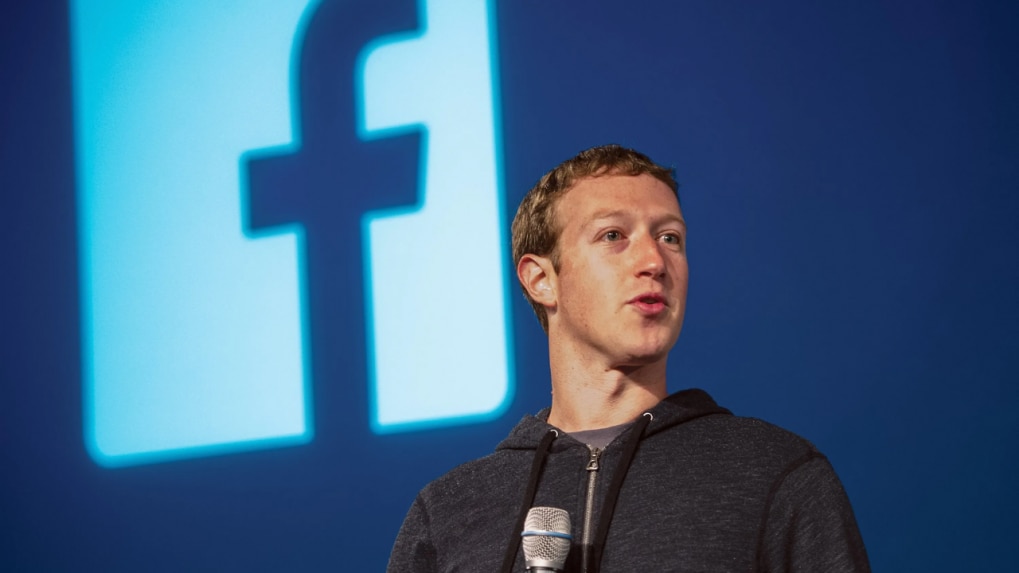
Meta users will begin seeing new artificial intelligence models and products from the company in the coming months, with a larger rollout planned into 2026, Meta chief executive Mark Zuckerberg stated during an investor call on Wednesday, according to a TechCrunch report.
Mark Zuckerberg informed investors that Meta rebuilt the foundations of its AI programme in 2025 following a restructuring of its AI lab, and said the company would start shipping new models and products over the coming months. He added that Meta expects to steadily push the boundaries of its AI capabilities over the next year.
While Mark Zuckerberg did not outline specific timelines or product launches, he highlighted AI-driven commerce as a key focus area. He stated that new agentic shopping tools would enable users to find the most relevant products from businesses listed in Meta’s catalogue.
The comments align with broader industry interest in AI-powered shopping assistants. Companies such as Google and OpenAI have already developed platforms that support agent-enabled transactions, with firms including Stripe and Uber participating as partners.
Meta believes its advantage lies in its access to large volumes of personal data across its platforms. Zuckerberg stated that the company is beginning to see the potential of AI systems that understand personal context, including user history, interests, content and relationships. He informed investors that such contextual awareness is central to the value of AI agents and said Meta is positioned to deliver a more personal experience than competitors.
In December 2025, Meta acquired general-purpose agent developer Manus, which offers similar technology. At the time, Meta stated that it would continue to operate and sell the Manus service while integrating it into its own products.
The investor call coincided with the release of Meta’s latest quarterly earnings, which revealed a sharp increase in planned infrastructure spending. Meta now expects capital expenditure to reach between $115 billion and $135 billion in 2026, up from $72 billion in 2025.
In its regulatory filing, Meta attributed the rise in spending to increased investment in its Meta Superintelligence Labs and its core business. The projected outlay remains below the estimated $600 billion in infrastructure spending that Zuckerberg has reportedly forecast for Meta through 2028.
Meta has previously faced criticism from investors over a lack of clarity on how its extensive AI investments will translate into financial returns. Despite limited detail, Zuckerberg informed investors that the work of Meta’s AI lab would soon become visible to users, adding that the coming year would be significant for delivering personal superintelligence, accelerating the business, building future-ready infrastructure and reshaping how the company operates.
First Published on January 29, 2026, 11:34:38 IST