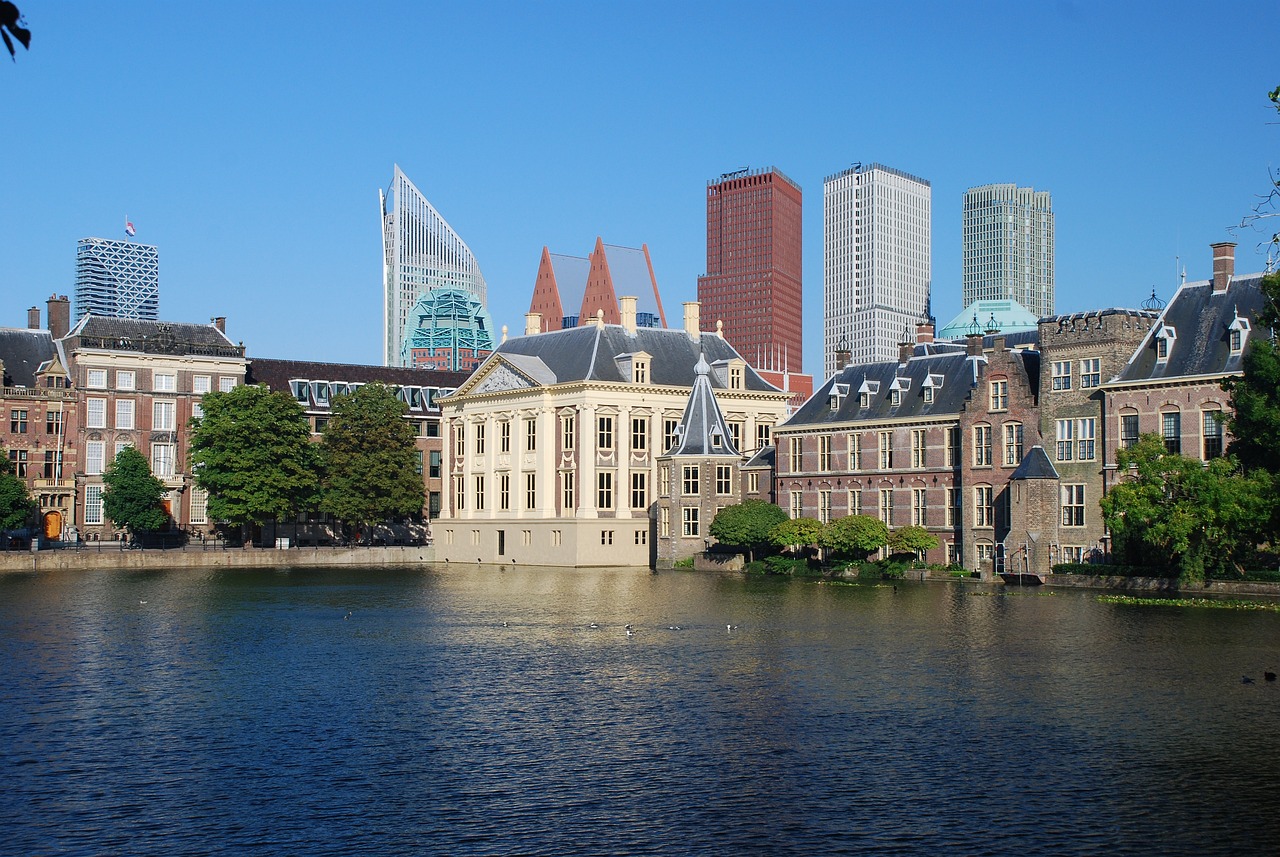
The Hague District Court ruled on Wednesday that the Netherlands has failed to meet its international obligations on climate change. The court ordered the government to adopt adequate measures to better protect Bonaire, a Dutch Caribbean island, within 18 months.
The court concluded that the government had violated the right to private and family life of the residents of Bonaire under Article 8 of the European Convention of Human Rights (ECHR).
With regards to mitigation, the court found that even though the Dutch Climate Act sets a goal of achieving carbon neutrality by 2050, its 2023 amendment is silent on the intermediate emissions-reduction target. Furthermore, both parties agreed that there was less than a 5 percent likelihood that the Netherlands could reduce its greenhouse gas emissions by 43 percent compared to 2019 by 2030. Combined with the failure to quantify its remaining emission allowance, the court concluded that the Netherlands’ mitigation measures did not satisfy its convention and treaty obligations.
The court also found that there has been a lack of a climate adaptation plan, sufficient scientific research, and financial resources for Bonaire. This drawback persists despite the government’s acknowledgment that Bonaire is particularly vulnerable to climate change.
In addition, the ruling found that the government did not provide sufficient procedural safeguards to Bonaire residents, including access to information and public participation.
The recent advisory opinion by the International Court of Justice significantly influenced the Dutch court in determining the state’s obligations in respect of climate change. In its judgment, the Dutch court affirmed that the UN Framework Convention on Climate Change and the Paris Agreement are legally binding on the Netherlands, alongside other regional and international human rights treaties. These obligations include the duty to contribute equitably to the goal of limiting global warming to 1.5°C above pre-industrial levels.
Apart from the right to private and family life, the court also held that the lack of adaptation measures for Bonaire, when comparable measures have already been in place for the European Netherlands, amounted to discrimination against residents of Bonaire. This, the court found, violated Article 14 of the ECHR and Article 1 of Protocol No. 12 to the convention. According to Greenpeace, this ruling marks the first time that a court has recognized the state’s failure to develop climate policies for a municipality as discrimination.
Greenpeace brought the class action on behalf of approximately 26,000 residents on Bonaire. Responding to the ruling, Marieke Vellekoop, Director of Greenpeace Netherlands, said that incoming Prime Minister Rob Jetten must now allocate fundings for the climate measures lacking on Bonaire.