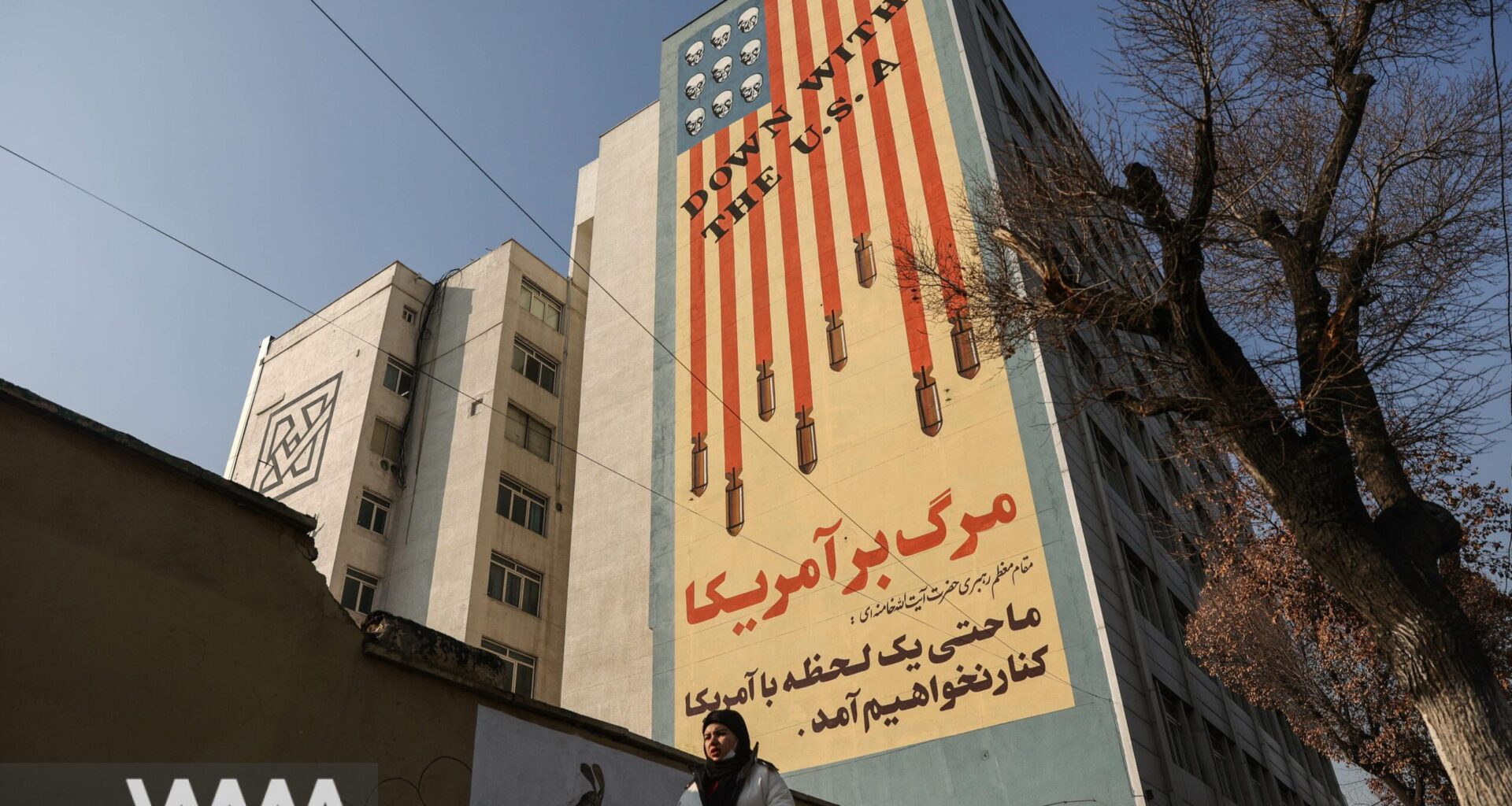
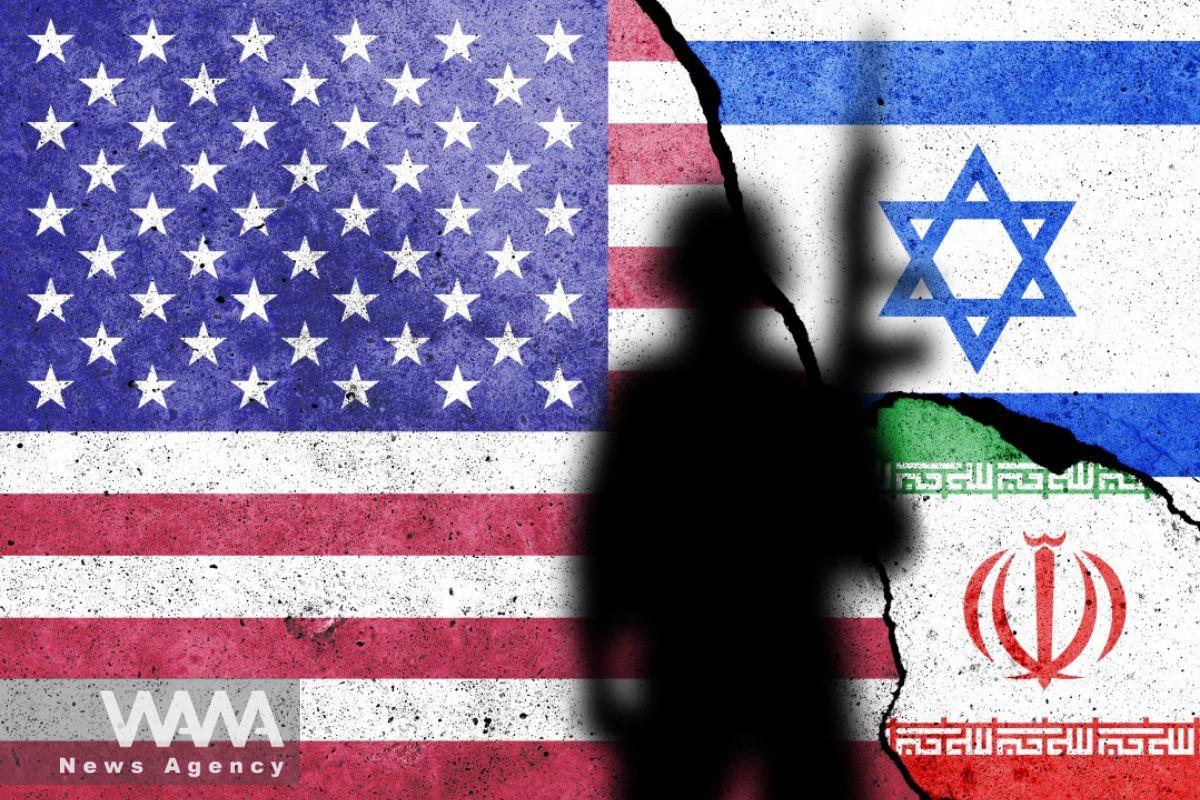
WANA (Jan 28) – Our team is closely monitoring the latest developments regarding the possible Iran–U.S.–Israel clash here.
Israel’s View on a U.S. Attack on Iran and the Positions of Other Countries
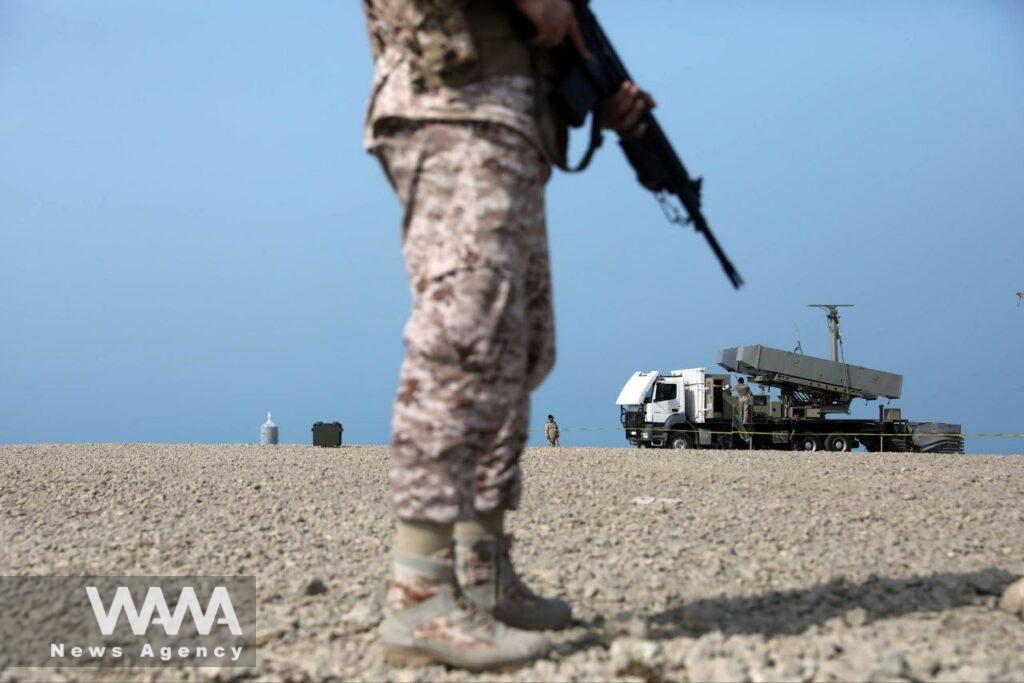
“Eghtedar Paydar 2025” (dubbed in English Sustainable Authority) naval missile drill of the Islamic Republic of Iran Navy. Source: Iran Army PR/ WANA News Agency
WANA (Jan 28) – What follows below explains the latest state of Israel’s view on the U.S. attack on Iran and the positions of other countries.
1. The Israeli regime is the main supporter and lobbyist for a Trump-led attack on Iran.
2. The Israeli regime wants any U.S. attack on Iran to be extensive and aimed at regime change.
3. Israel’s assessment is that a limited attack would not be worth the major response Iran would deliver in return.
4. Trump is not in favour of a large-scale attack and views it as political suicide.
5. The Israeli regime has created a form of political and media suffocation in Washington to suppress opponents of an attack on Iran.
6. Turkey, Qatar, and Pakistan are firmly opposed to an attack on Iran and are actively working against it.
7. Jordan, the UAE, and Azerbaijan support an attack but are concerned about its repercussions for themselves.
8. Saudi Arabia holds a middle-ground position but is worried about the war spilling over into the energy sector.
9. Iraq, recognizing the threat, is prepared for operational cooperation with Iran against the Israeli regime.
10. Iran and the Resistance will, in any future conflict, target countries hosting U.S. air defense systems.
11. Due to Iran’s firm stances, messages, and movements, signs of hesitation about attacking Iran are observed among some American officials.
12. Mike Vance has openly expressed his opposition to an attack, despite the political cost.
13. Trump remains in favor of an attack, and the likelihood of conflict in the coming days is very high.
14. The recent expressions of doubt may be a deception for a surprise attack.
Iran to Trump: Any Action Will Be Met With an Unprecedented Response
WANA (Jan 28) – The Permanent Mission of the Islamic Republic of Iran to the United Nations responded on Wednesday to renewed confrontational rhetoric from U.S. President Donald Trump, stating Tehran remains prepared for diplomatic talks but will defend itself and deliver an “unprecedented response” if forced into conflict.
In a post on the social media platform X, Iran’s UN mission pointed to the heavy toll of past U.S. wars in Afghanistan and Iraq, saying those conflicts cost roughly $7 trillion and resulted in over 7,000 American deaths. It reiterated that Iran is willing to engage in dialogue “based on mutual interests and respect”, but underscored its determination to protect its sovereignty if threatened.
“Iran is ready for negotiations, but if it is forced into conflict, it will defend itself and respond in a way that has never been seen before,” the statement said.
Iran’s Government Spokesperson Says Tehran Seeks No Conflict
WANA (Jan 28) – Iranian government spokesperson Fatemeh Mohajerani stated today that while Iran does not desire conflict, it remains resolute in defending the nation and its people. She emphasised that God forbid, if the flames of conflict rise in the region, it could engulf the entire world.
Mohajerani added that the “Zionist regime” does not want Iran to remain proud and independent.
Trump to Iran: Massive U.S. Armada Nears, ‘Time Is Running Out’
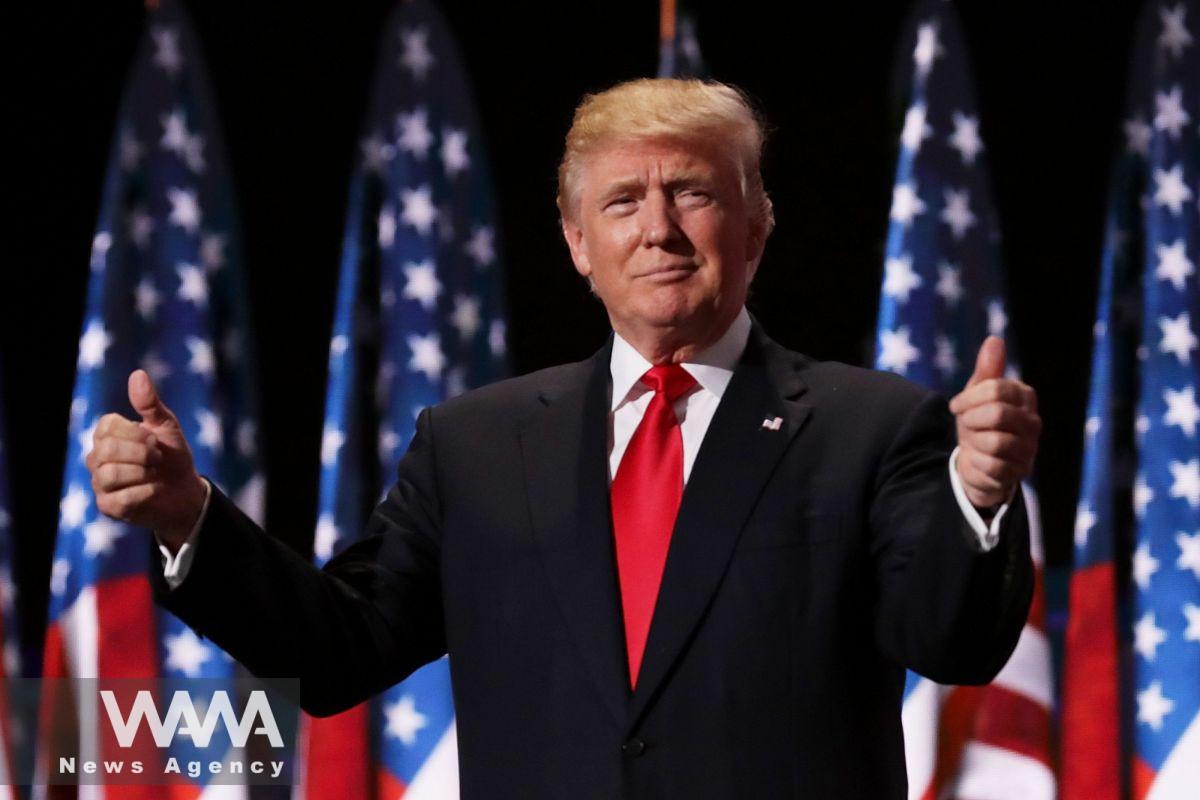
WANA (Jan 28) – The U.S. president, Donald Trump, has once again threatened Iran and has called on Iran to come back to the negotiation table.
In a post on his Social media platform, Truth Social, he wrote: “A massive Armada is heading to Iran. It is moving quickly, with great power, enthusiasm, and purpose. It is a larger fleet, headed by the great Aircraft Carrier Abraham Lincoln, than that sent to Venezuela. Like with Venezuela, it is ready, willing, and able to rapidly fulfill its mission, with speed and violence, if necessary.”
He added, “Hopefully Iran will quickly ‘Come to the Table’ and negotiate a fair and equitable deal – NO NUCLEAR WEAPONS – one that is good for all parties. Time is running out; it is truly of the essence! As I told Iran once before, MAKE A DEAL! They didn’t, and there was “Operation Midnight Hammer”, a major destruction of Iran. The next attack will be far worse! Don’t make that happen again. Thank you for your attention to this matter!”
Gharibabadi: Negotiations With the US Are Not Tehran’s Current Priority
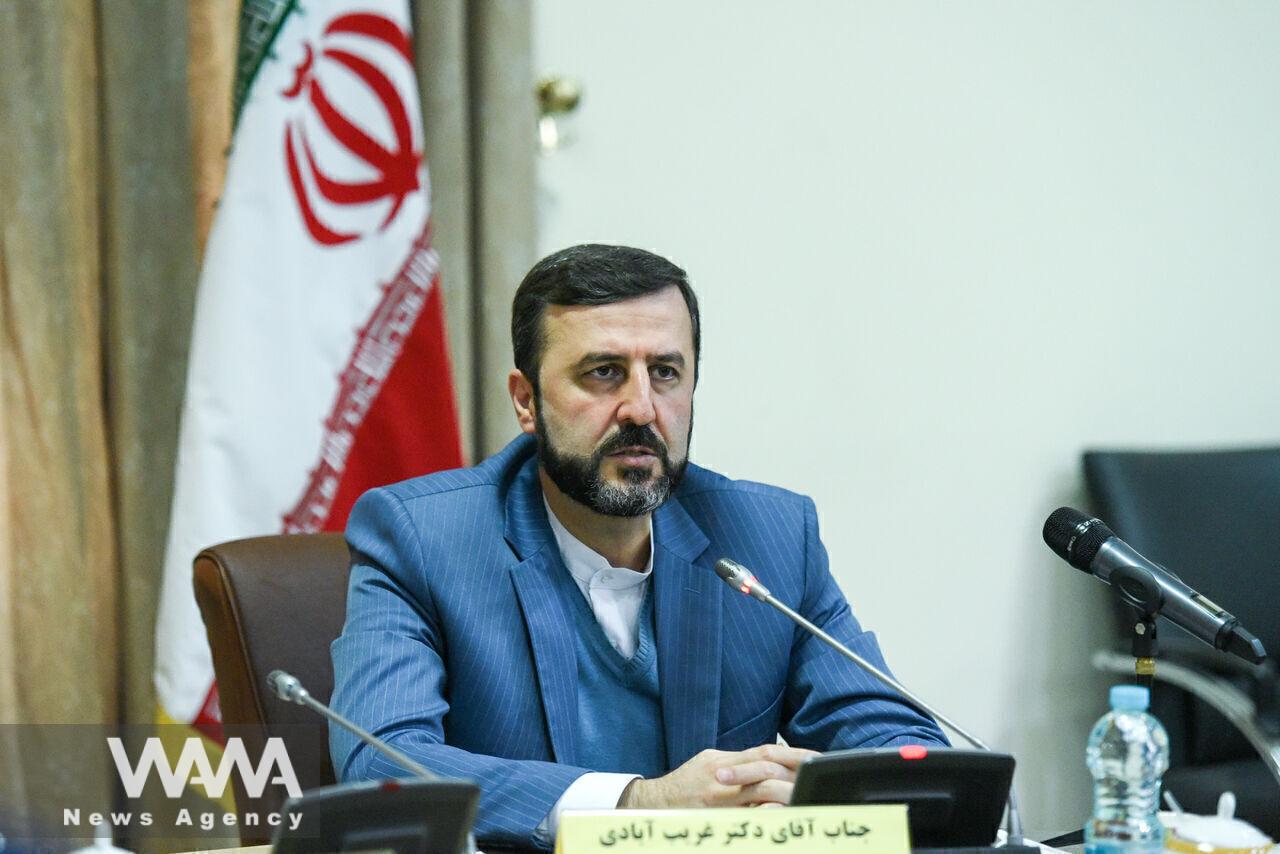
Kazem Gharibabadi, Secretary of Human Rights Headquarters in Iran. Social Media / WANA News Agency
WANA (Jan 28) – Iran’s Deputy Foreign Minister said that negotiations with the United States are not currently Tehran’s priority.
Kazem Gharibabadi, Iran’s Deputy Foreign Minister for Legal and International Affairs, told foreign media that no negotiations are presently underway with the United States, adding that messages are nevertheless being exchanged.
He said that even if Tehran and Washington were to sit at the negotiating table, it would not mean that Iran would reduce its readiness for any potential war.
Gharibabadi stressed that any limited attack by the United States would be met with an appropriate response.
He further emphasised that Tehran’s current priority is not negotiations with Washington, but maintaining what he described as “200 percent readiness” to defend the country.
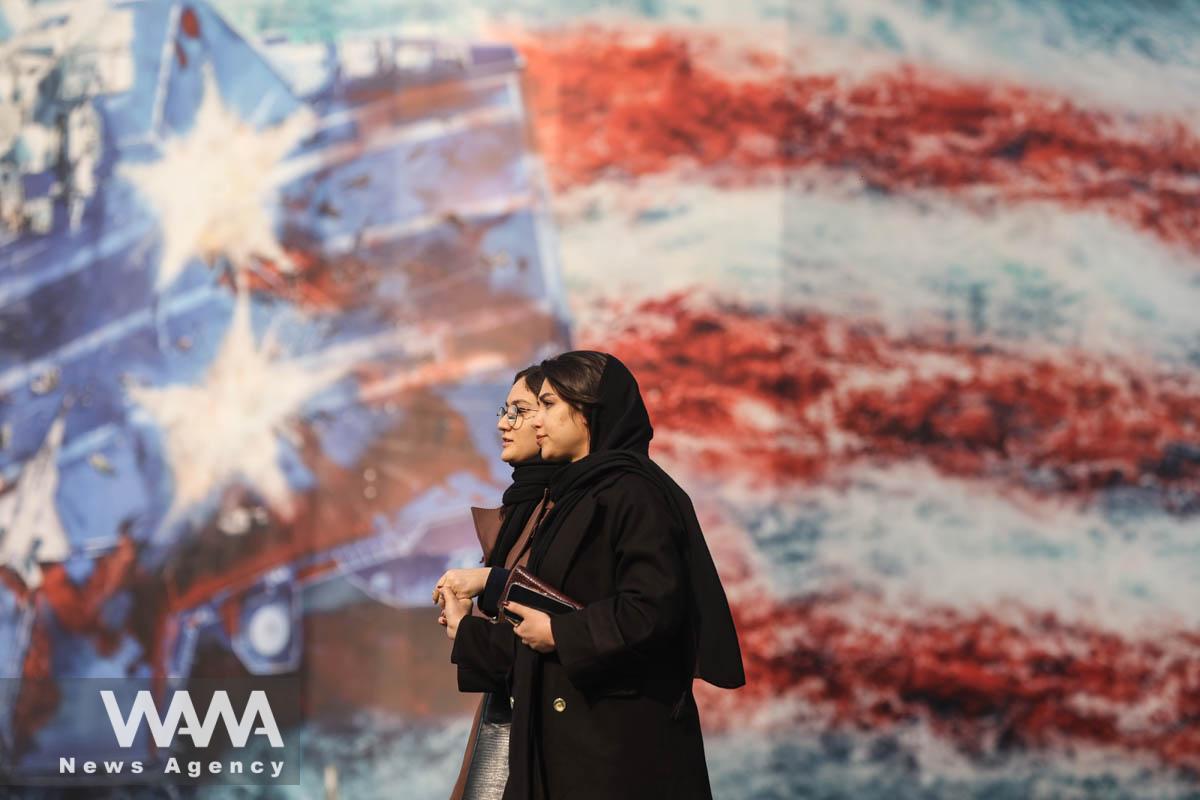
Sayyari Warns U.S. Aircraft Carrier Show of Force Could Trigger Heavy Response
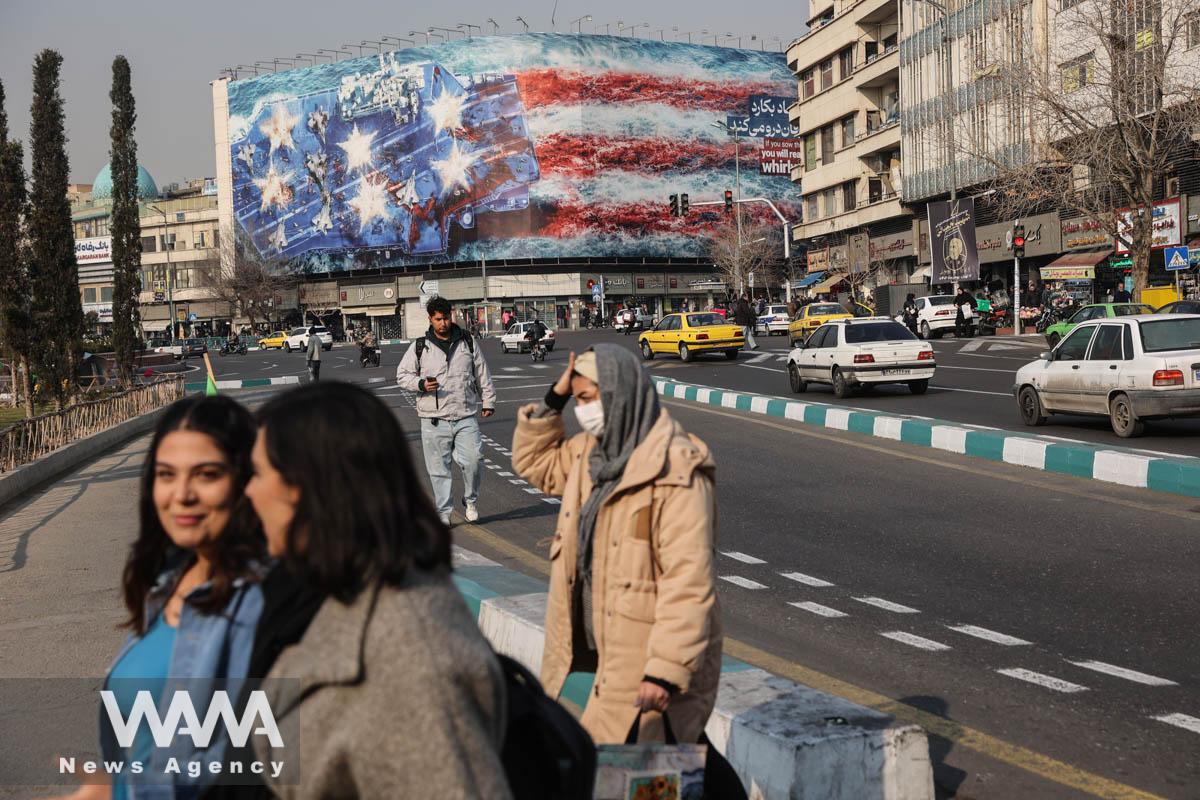
People walk past an anti-U.S. billboard in Tehran, Iran, on January 26, 2026. Majid Asgaripour/WANA (West Asia News Agency)
WANA (Jan 28) – Rear Admiral Habibollah Sayyari, Chief of Staff and Deputy Coordinator of the Islamic Republic of Iran Army, has warned that any U.S. military “show of force” involving aircraft carrier deployments will not go unanswered and could result in severe damage to the United States.
In remarks addressing the ongoing hybrid and cognitive warfare directed at Iran, Sayyari stressed that the country is well aware of the tactics used by its enemies, and that public officials and citizens understand how to counter soft war and hybrid operations.
“When the enemy fails to achieve results through military actions, it continuously applies pressure through soft war and hybrid warfare,” he said. “But we are not inexperienced in this area. We know the way to counter the enemy’s tactics is unity, cohesion, coordination, empathy, and mutual support….
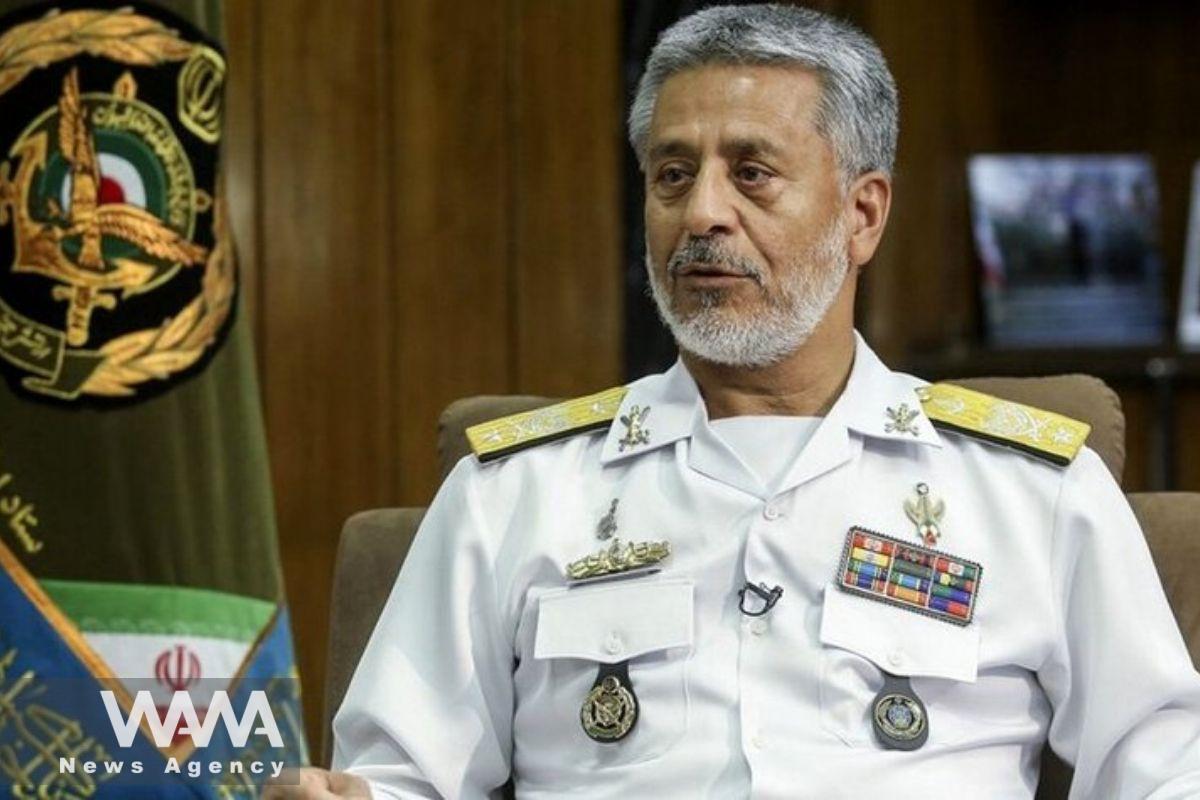
WANA (Jan 28) – Rear Admiral Habibollah Sayyari, Chief of Staff and Deputy Coordinator of the Islamic Republic of Iran Army, has warned that any U.S. military “show of force” involving aircraft carrier deployments will not go unanswered and could result in severe damage to the United States. In remarks addressing the ongoing hybrid […]
Tajikistan Calls for Diplomatic Resolution of Iran–U.S. Disputes
WANA (Jan 28) – Tajikistan’s Ministry of Foreign Affairs said in a statement that the country supports a peaceful resolution of all disputes between Iran and the United States through diplomatic means, stressing that any military action would be contrary to international principles.
The statement noted that amid rising tensions between Tehran and Washington—including mutual warnings, U.S. military deployments in the region, and heightened readiness of Iran’s armed forces—the situation in the Middle East remains unstable and concerning. The Tajik Foreign Ministry emphasized that dialogue and diplomacy are the only acceptable paths to resolving such disputes.
Dushanbe also urged all parties to adhere to the principles of the United Nations Charter and international law in order to preserve regional peace and stability. According to regional media reports, Tajikistan is so far the only Central Asian country to have publicly stated an official position on the recent Iran–U.S. tensions.
Araghchi: No Recent Contact with US Envoy, No Request for Talks
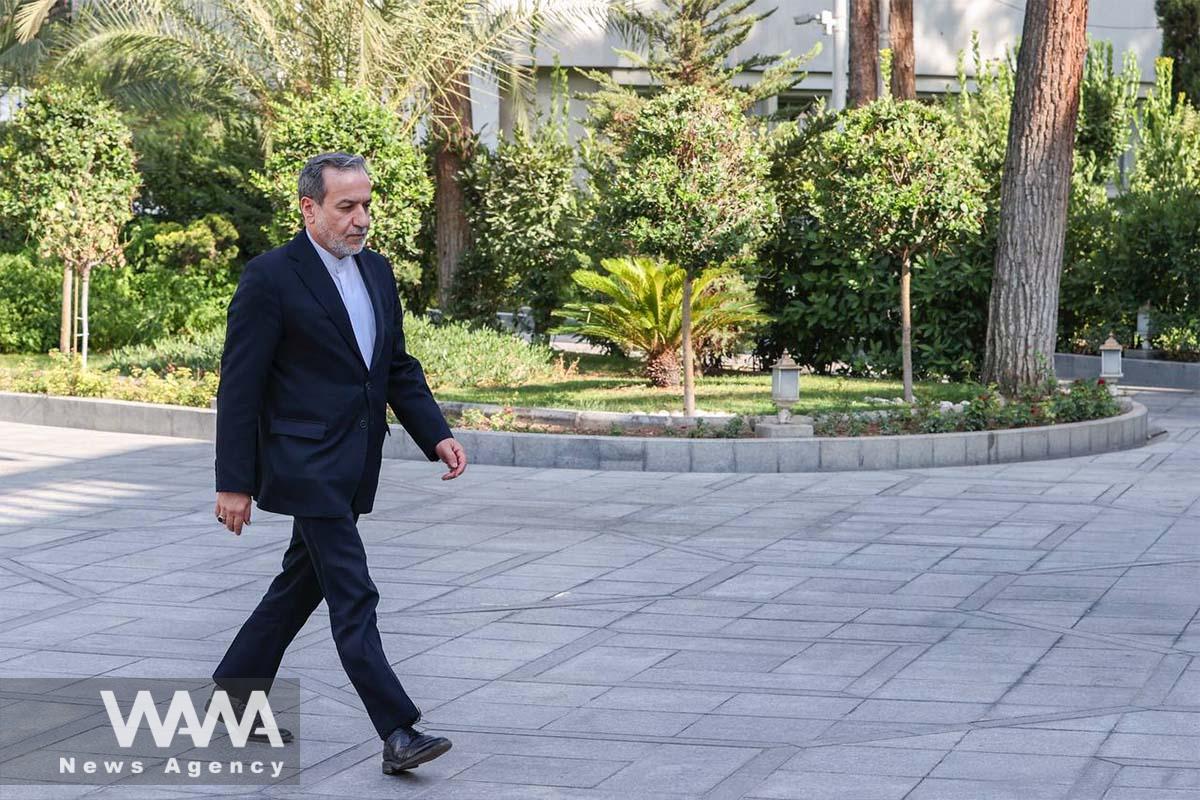
Iran’s new foreign minister, Seyed Abbas Araghchi. Iran FM PR / WANA News Agency
WANA (Jan 28) – Iran’s foreign minister said there has been no recent contact between him and Steve Witkoff and that Tehran has not sought negotiations.
Speaking to reporters on the sidelines of a cabinet meeting on Wednesday, Abbas Araghchi said there had been no communication between him and Witkoff in recent days, adding that Iran had not made any request for negotiations.
He noted that some countries are acting as intermediaries and are making efforts and holding consultations, and that Iran remains in contact with them.
The foreign minister stressed that if the United States is seeking negotiations, talks cannot take place under a climate of threats. He said negotiations have their own principles and must be conducted from an equal position and with mutual respect.
Moscow Ready to Mediate Between Iran and the United States
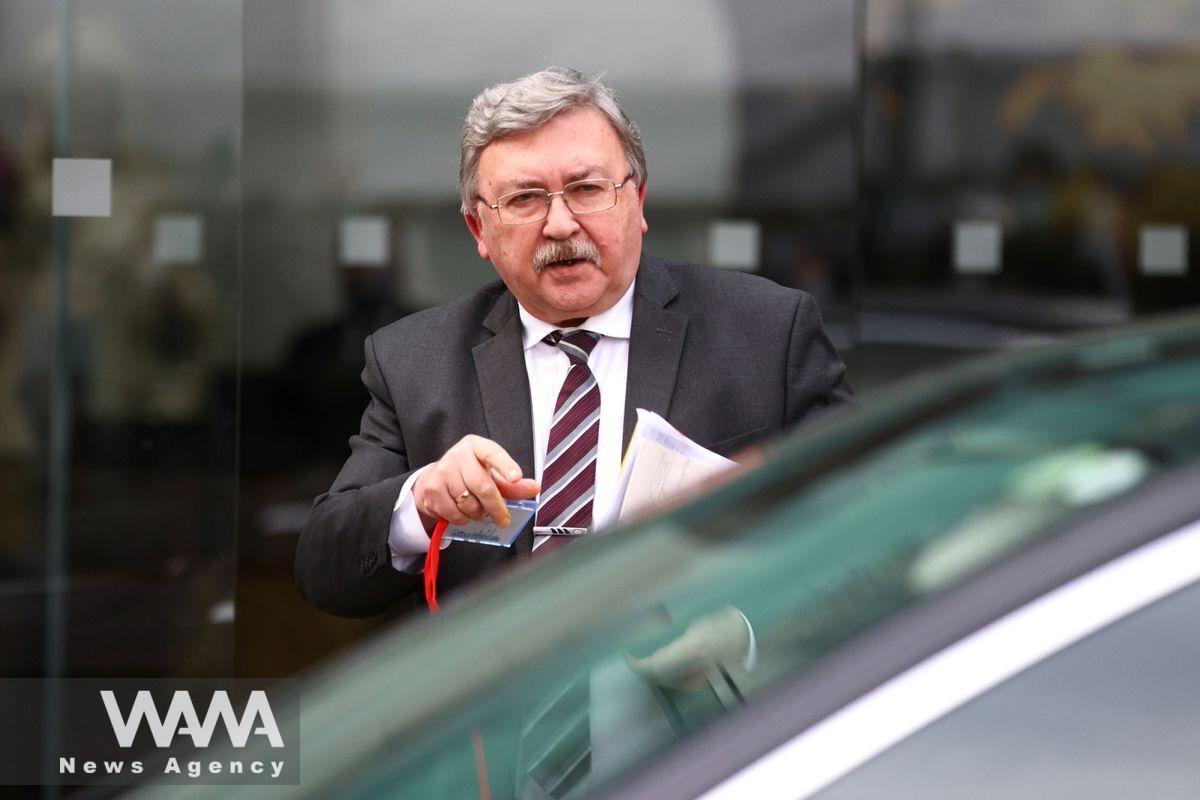
WANA (Jan 28) – Mikhail Ulyanov, Russia’s Permanent Representative to international organizations in Vienna, said Moscow is ready to play a mediating role between Tehran and Washington if requested by both sides, adding that no such request has been made so far.
Ulyanov said the current deadlock in Iran–U.S. talks is largely the result of Washington’s hardline approach, which he described as closer to issuing ultimatums than engaging in negotiations. He stressed that Russia, unlike some Western countries, is not interested in escalating tensions and does not support increasing pressure.
His remarks come as U.S. President Donald Trump announced the deployment of U.S. Navy vessels to West Asia, describing the move as a “precautionary” measure, while simultaneously expressing hope that Iran would agree to a deal.
How Israel Views and Influences a Possible U.S. Strike on Iran
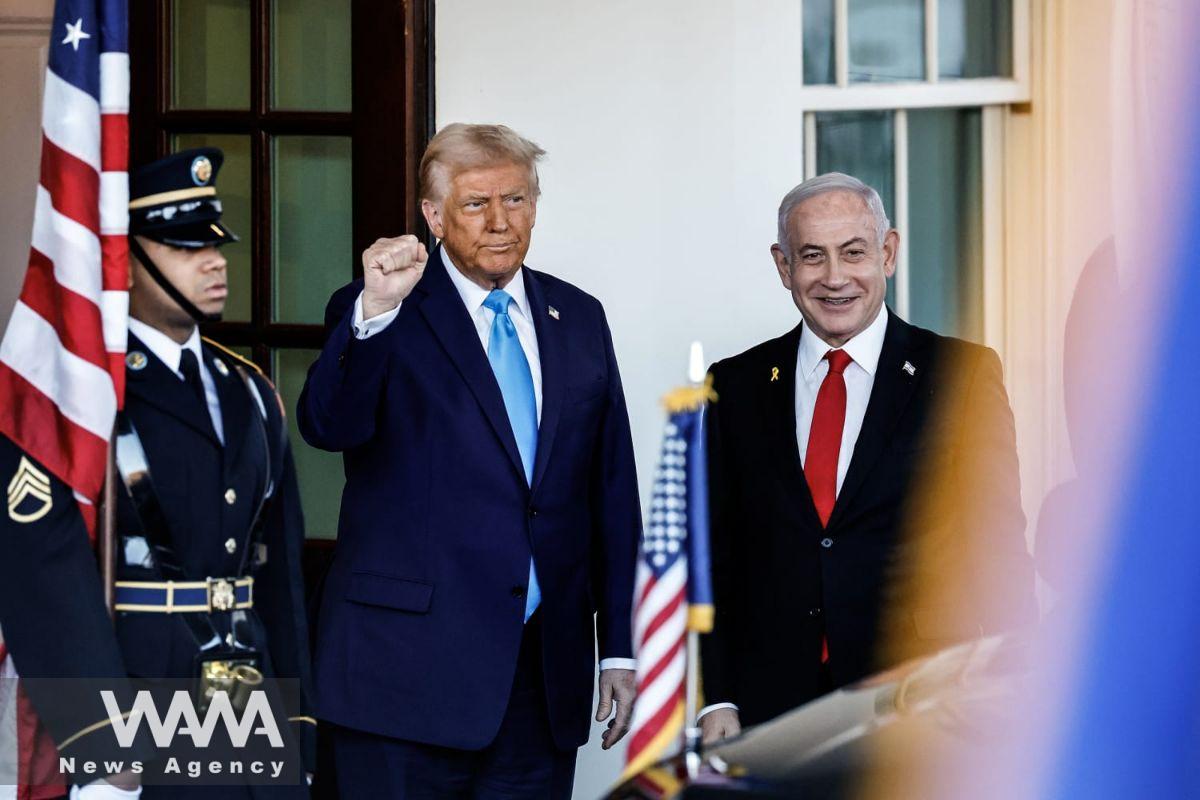
WANA (Jan 28) – The following points outline an analysis of how the Israeli regime views a potential U.S. attack on Iran:
The Israeli regime is the main advocate and lobbyist behind a Trump-led attack on Iran.
Israel wants any U.S. attack on Iran to be extensive and aimed at regime change.
Israel’s assessment is that a limited strike would not be worth the major retaliation Iran would deliver in response.
Trump is opposed to a large-scale attack and sees it as political suicide.
The Israeli regime has created a kind of political and media suffocation in Washington to silence opponents of an attack on Iran.
Fidan: Attacking Iran Would Be a Mistake
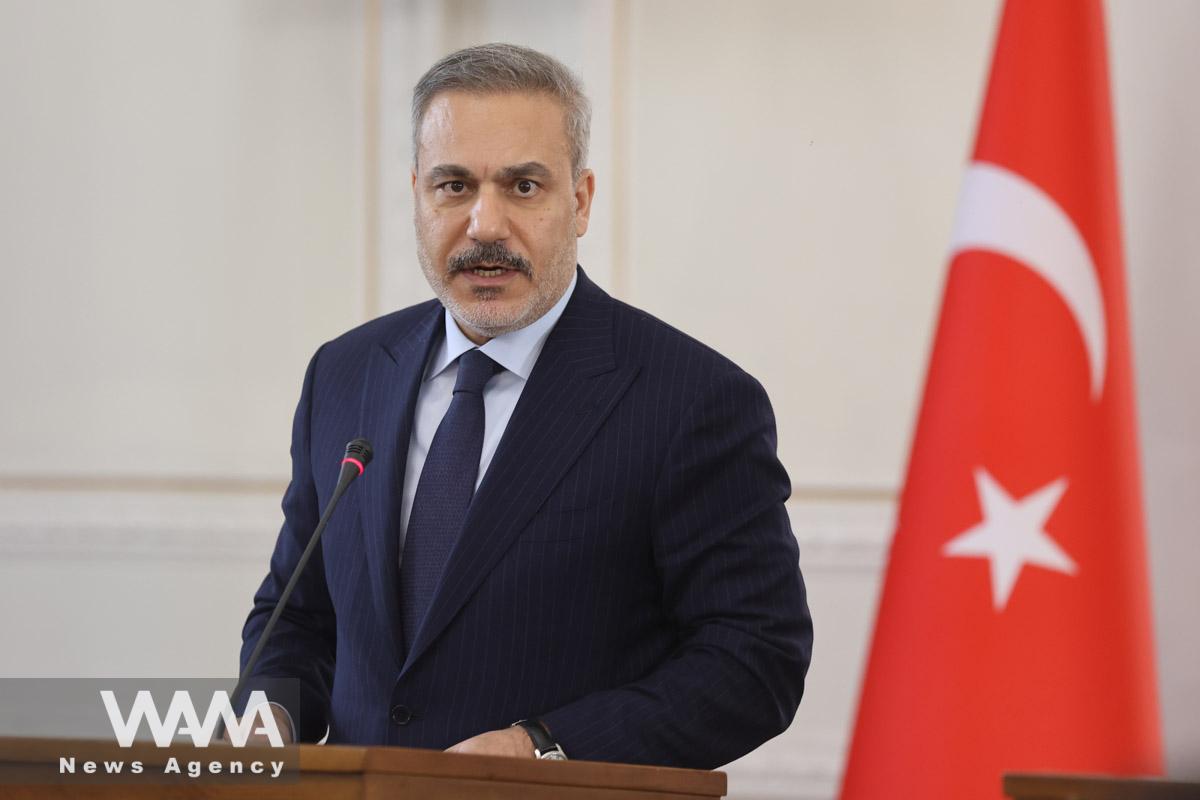
Turkish Foreign Minister Hakan Fidan speaks during a joint press conference with Iranian Foreign Minister Abbas Araghchi in Tehran, Iran, November 30, 2025. Majid Asgaripour/WANA (West Asia News Agency)
WANA (Jan 28) – Hakan Fidan, Turkey’s foreign minister, warned about the consequences of escalating tensions in the Middle East, stressing that any attack on Iran would be “a mistake” and that returning to a cycle of war is not the right path for the region.
Referring to recent diplomatic efforts, Fidan said Iran has declared its readiness to resume talks on the nuclear issue and continues to keep the door open to a diplomatic solution. In this context, he advised Washington to adopt a step-by-step approach in its engagement with Tehran and to address points of contention gradually.
The Turkish foreign minister emphasized that the United States should first focus on resolving the nuclear file and avoid bundling all disputes into a single “comprehensive package.” According to him, piling multiple issues into one framework not only complicates negotiations but could also be perceived by Iran as humiliating, making it harder to move past.
Trump Says He Hopes for a Deal With Iran While Renewing Military Threats
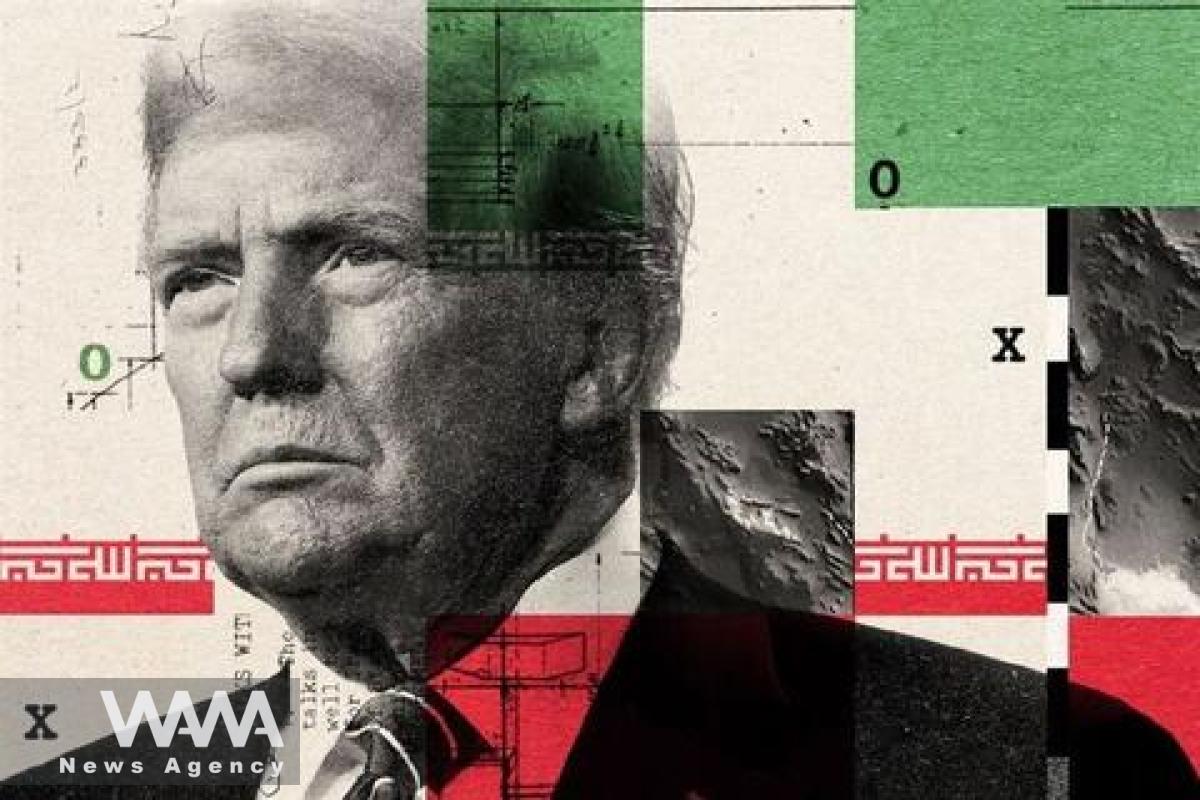
WANA (Jan 28) – U.S. President Donald Trump has once again combined military threats against Iran with expressions of hope for a possible agreement, signaling a dual-track approach that pairs pressure with diplomacy.
Speaking Tuesday night at the Iowa Economic Forum, Trump referred to increased U.S. military deployments in the region, saying: “Another beautiful fleet is on its way right now… We’ll see what happens. I hope they reach a deal.” His remarks came amid heightened U.S. military activity and continued pressure on Tehran.
Trump also reiterated claims about U.S. attacks on Iranian nuclear facilities in June 2025, asserting that strikes on three sites had “destroyed Iran’s nuclear capability.” He claimed Iran had been close to acquiring a nuclear weapon—an assertion previously made by U.S. officials but questioned by independent analysts and international observers.
Without citing technical evidence or assessments from international monitoring bodies, the U.S. president framed the attacks as necessary while emphasizing Washington’s readiness to continue applying pressure if needed. The comments reflect a familiar pattern in Trump’s Iran policy: coupling the language of negotiation with overt military signaling.
The latest remarks suggest that Washington’s approach toward Iran remains rooted in a strategy of maximum pressure, where calls for an agreement are presented not alongside de-escalation, but against the backdrop of military force and coercive leverage.
WANA – Our team is closely monitoring the latest developments regarding the possible Iran–U.S.–Israel clash here. Urgent Message to the USS Abraham Lincoln “Everything begins from minute one.” Al-Nujaba: In the Event of an Attack on Iran, the Iraqi Resistance Will Respond Immediately WANA (Jan 27) – Member of the Political […]