
Published on
January 29, 2026

Norway has joined Malta, Moldova, Estonia, Cyprus, and other offbeat destinations in experiencing a skyrocketing surge in tourism revenue, outperforming France, Italy, Spain, the UK, Switzerland, and other tourism giants across Europe last year. While traditionally popular destinations like France and Italy continue to see steady tourism growth, smaller, lesser-known destinations have garnered increasing attention. These countries, including Norway, are benefiting from a combination of unique attractions, more affordable travel options, and a growing demand for authentic, off-the-beaten-path experiences. Norway’s stunning natural beauty, Malta’s rich history, Moldova’s wine tourism, and the digital-forward appeal of Estonia have all contributed to their success in attracting international visitors. With a strong focus on sustainable and eco-friendly tourism, these destinations are redefining European travel, offering visitors a chance to explore less commercialized areas with rich cultural offerings. As these countries capitalize on their appeal, they continue to challenge traditional European tourism powerhouses, solidifying their place in the growing market.
Norway: A Majestic Northern Destination on the Rise

Norway’s tourism revenue surged by 23.8% between January and September 2025, according to UNWTO data, making it one of the most remarkable performers among European nations. Norway’s stunning natural beauty—featuring fjords, the Northern Lights, and rugged landscapes—has long been a draw for tourists, and this year has proven no exception. The rise in tourism revenue reflects an increase in both international and domestic visitors, seeking outdoor adventure and tranquil escapes. Norway’s commitment to sustainability and eco-friendly tourism also aligns with growing global interest in environmentally responsible travel. The surge in tourism revenue also coincides with a rise in cruise ship visits, which have fueled the country’s tourism industry. With ongoing investments in infrastructure and its diverse offerings, including cultural experiences in Oslo and nature adventures in the Arctic, Norway is solidifying its status as an attractive and resilient destination for travelers worldwide.
Malta: A Small Island with Big Growth in Tourism Revenue
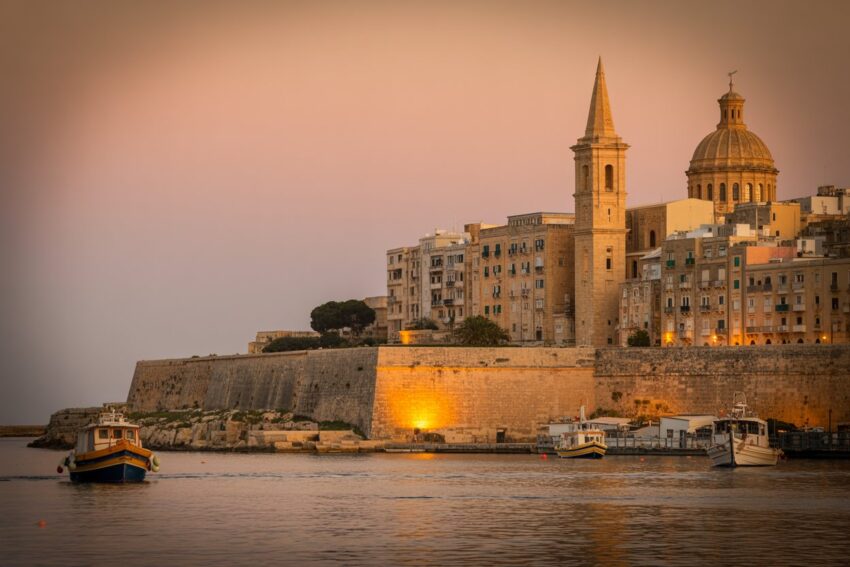
Malta saw an exceptional 14.9% growth in tourism revenue between January and September 2025, according to UNWTO data. This small Mediterranean island, known for its rich history, clear waters, and vibrant culture, has seen a surge in visitors in recent years. Malta’s tourism revenue growth highlights the island’s success in capitalizing on its historical sites, including the prehistoric temples and the fortified city of Mdina. Additionally, the Mediterranean climate continues to draw beachgoers and cruise tourists. Malta’s thriving gastronomy scene and diverse cultural festivals, which attract both European and international visitors, have also helped fuel its tourism boom. The rise in tourism revenue has been supported by strategic marketing and significant investments in infrastructure. As a unique blend of history, culture, and natural beauty, Malta is increasingly being recognized as a must-visit European destination.
Moldova: Emerging as a Unique European Destination
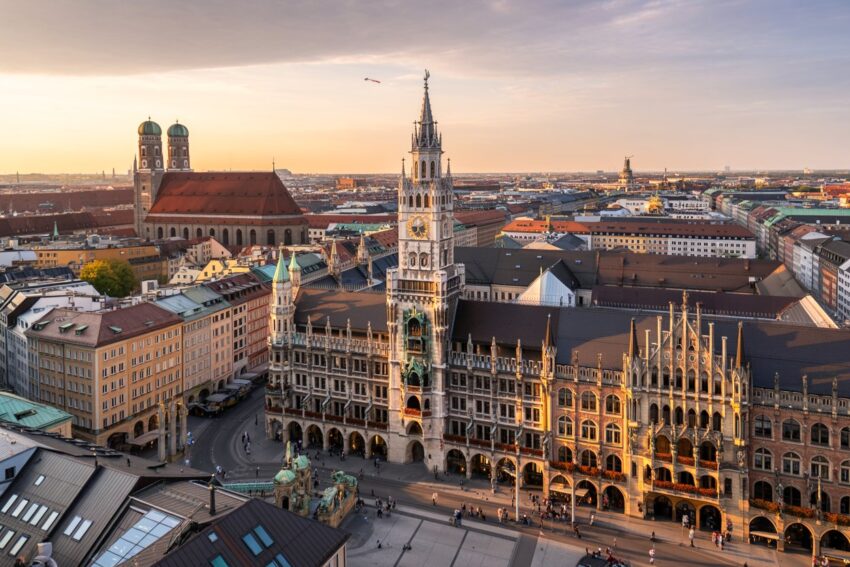
Moldova, often overlooked by travelers, saw a remarkable 17.7% growth in tourism revenue from January to September 2025, according to UNWTO data. Known for its scenic vineyards, charming countryside, and rich cultural heritage, Moldova is becoming an attractive option for tourists seeking something off the beaten path. The country’s wine tourism is a major contributor to the revenue surge, with Moldovan wine regions drawing enthusiasts from around the world. The capital, Chișinău, offers a unique blend of Soviet-era architecture, green parks, and burgeoning art scenes that appeal to cultural tourists. Moldova’s efforts to improve its infrastructure and promote rural tourism have begun to pay off, drawing in tourists from neighboring countries and further afield. With continued investment in tourism and its emphasis on showcasing authentic experiences, Moldova is gradually making a name for itself in the European travel market.
Advertisement
Advertisement
Estonia: A Surging Small Destination in Northern Europe
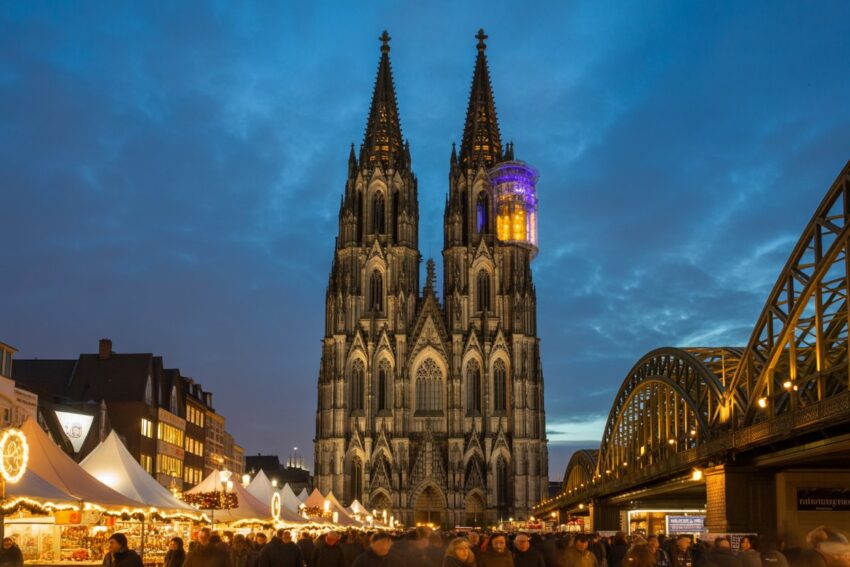
Estonia experienced an impressive 9.6% growth in tourism revenue between January and September 2025, according to data from UNWTO. This small Baltic gem is gaining traction as a European travel destination, known for its medieval charm and digital-forward infrastructure. Tallinn, Estonia’s capital, has become a top choice for tourists, offering a blend of history with its UNESCO-listed Old Town and modern, tech-savvy developments. The country’s rich culture, picturesque landscapes, and a growing reputation for being a digital nomad hub have made it particularly attractive to travelers. The rise in tourism revenue is also fueled by a strong performance in the summer season, with European visitors seeking affordable and unique alternatives to other more crowded destinations. As Estonia continues to build on its sustainability and digitalization efforts, it is positioning itself as a resilient and enticing travel destination for European and international tourists.
Cyprus: The Mediterranean’s Rising Star

Cyprus saw a 13.4% growth in tourism revenue from January to September 2025, as reported by UNWTO. This Mediterranean island has long been a favorite for sun-seekers, and its growth in tourism revenue highlights its evolving appeal. Beyond its famed beaches, Cyprus offers a unique mix of history, ancient ruins, and picturesque landscapes. The rise in visitors can be attributed to a robust summer season and a strong reputation for its affordability compared to other Mediterranean destinations. Cyprus’ successful marketing of its diverse attractions, including the UNESCO World Heritage sites, as well as its growing luxury and eco-tourism sectors, has further strengthened its position in the competitive tourism market. The island’s continued focus on improving infrastructure, particularly in sustainable tourism, is expected to keep attracting more visitors in the coming years.
Advertisement
Advertisement
Small Destinations Outperforming Europe’s Tourism Giants in 2025

While major tourism giants like Switzerland, Belgium, and the UK continue to attract millions of visitors, smaller European destinations have been outperforming them in terms of tourism revenue growth between January and September 2025. Switzerland and Belgium, traditionally known for their robust tourism sectors, faced slight declines in tourism revenue, with Switzerland reporting a -0.1% dip and Belgium seeing a more significant -5.6% decrease, according to UNWTO. In contrast, countries like Cyprus, Moldova, and Estonia, with more niche offerings, have seen impressive revenue increases. On the other hand, the UK, Spain, Italy, and France, despite seeing growth in tourism revenue, have been overshadowed by the exceptional performance of these smaller countries. The UK saw a 8.8% rise in tourism revenue, while Spain recorded 7.1%, Italy posted 4.9%, and France saw a 8.9% increase, showing that even large, well-established tourism markets can be challenged by the emerging appeal of smaller European destinations. This shift highlights the growing popularity of unique, off-the-beaten-path locations that offer more personalized and affordable travel experiences.CountryTourism Revenue Growth (Jan–Sep 2025)Switzerland-0.1%Belgium-5.6%UK+8.8%Spain+7.1%Italy+4.9%France+8.9%
Norway joins Malta, Moldova, Estonia, Cyprus, and other offbeat destinations in experiencing a skyrocketing surge in tourism revenue, surpassing France, Italy, Spain, the UK, Switzerland, and other tourism giants across Europe last year due to the appeal of unique travel experiences.
Advertisement
Advertisement
Conclusion
Norway has joined Malta, Moldova, Estonia, Cyprus, and other offbeat destinations in experiencing a skyrocketing surge in tourism revenue, surpassing France, Italy, Spain, the UK, Switzerland, and other tourism giants across Europe last year. The rise in tourism revenue in these smaller, unique destinations reflects a growing trend of travelers seeking authentic, less-commercialized experiences. While the traditional tourism powerhouses remain strong, the success of these offbeat locations shows that there is increasing demand for diverse, personalized travel options. As these destinations continue to capitalize on their distinctive cultural, natural, and historical offerings, they are redefining the European travel landscape, proving that size is not always the key to success in tourism. With continued investments in infrastructure, marketing, and sustainable practices, these countries are poised to maintain their growth and appeal in the years to come.
