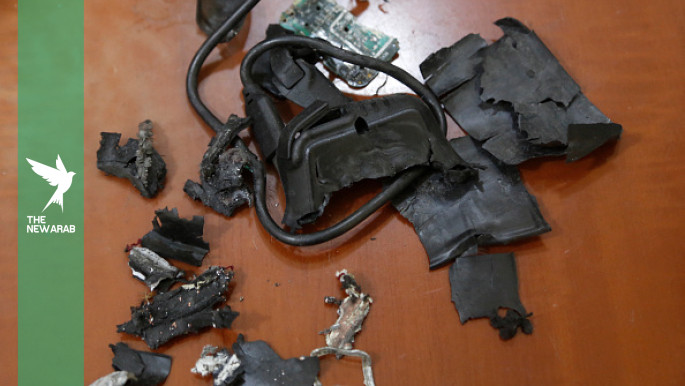
Israel spent about one billion shekels (around $275m) to carry out its 2024 pager attacks in Lebanon, which killed fourty-two people, and wounded over 3,400, including Hezbollah members and many civilians.
The pager attack targeted Hezbollah members using booby trapped pager-style communication devices.
Describing it as a multi-year security investment that stretched back years, retired Brigadier General Gil Pinchas, a former financial adviser to the Israeli army chief of staff, told Israeli media the operation required complex intelligence and logistical preparations. He said the figure covered not only the execution phase but also years of development and investment in intelligence and technological infrastructure, calling it the product of a long accumulation of security work.
Though the attacks were targeted at Hezbollah members’ pagers, the blasts were indiscriminate, killing civilians and Hezbollah members alike. The youngest victim was a nine-year-old girl.
The 17 September 2024 mass blasts of pagers used by Hezbollah members across Lebanon was followed by a second wave involving weaponised walkie-talkies the next day. Israeli Prime Minister Benjamin Netanyahu approved the operation, according to his spokesman who confirmed responsibility after Israel had initially declined to comment.
The attack was strongly condemned by governments across the Middle East, with President Erdogan saying Turkey would continue it’s efforts to stop Israeli aggression. The White House – under the Biden administration at the time – refused to describe it as an act of terrorism.
Following the attacks, Prime Minister Netanyahu has gifted pagers to US officials, including President Trump.
The attacks killed dozens and injured thousands, in what analysts described as a major security breach for Hezbollah, which had relied on low-tech devices as a hedge against tracking.
The operation’s reach also exposed vulnerabilities along international supply routes. The Associated Press later reported that Turkish intelligence intercepted and confiscated a shipment of pagers and chargers rigged with explosives that was en route to Beirut, shortly after the September 2024 attacks.
The cost estimate from Israeli media comes days after a similar estimate was made in relation to the assassination of Hezbollah chief Hassan Nasrallah.
Israeli media said the air raid cost $40 million in munitions and other costs to kill Nasrallah.
The massive strike south of Beirut, which killed Nasrallah, also killed several other Hezbollah and Iranian officials present in the underground base at the time. Nasrallah had led the Shia militant group for over three decades.