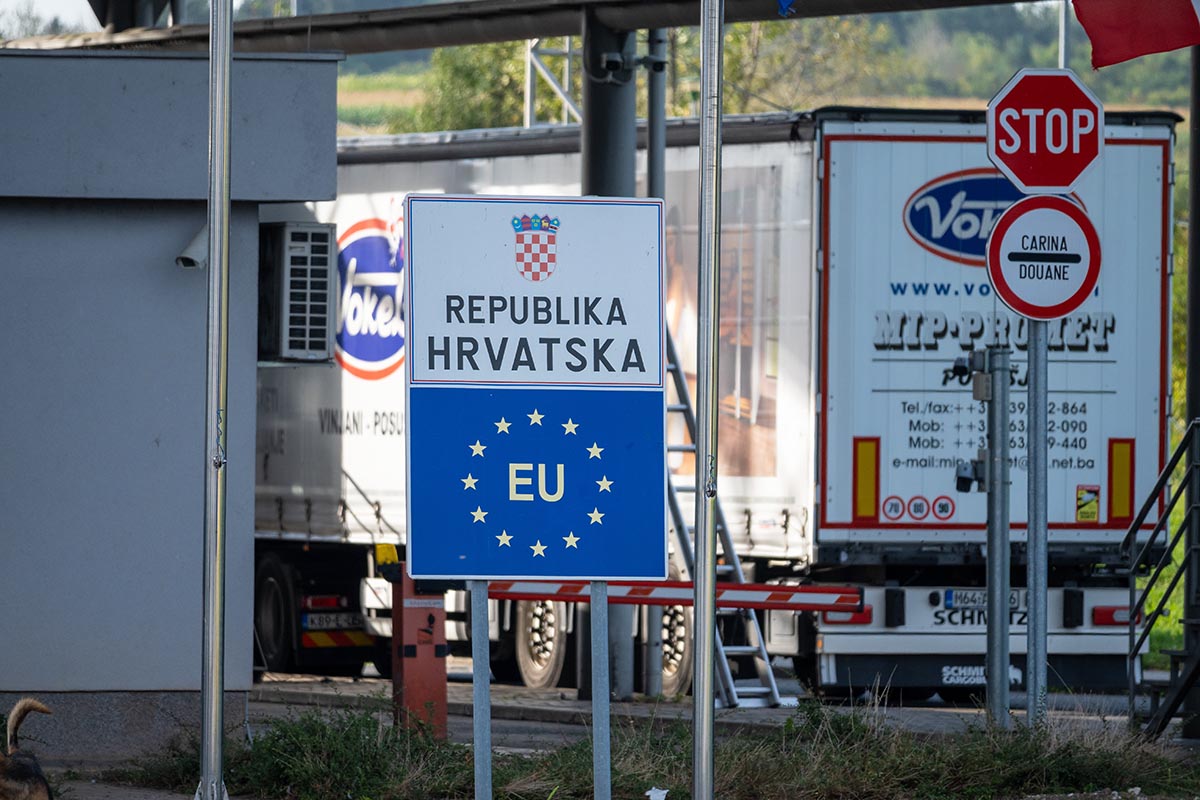
Croatia’s Parliament has approved changes to the national Law on State Border Control to align with the European Union’s recently reformed Schengen regulation (EU 2024/1717), giving authorities more flexibility and speed in managing border challenges. The revised law allows Croatian officials to temporarily reintroduce checks on specific sections of internal borders rather than imposing blanket controls across the entire frontier. This approach aims to provide targeted responses to security, migration and public health risks without undermining the free movement principles at the core of the Schengen Area.
Under the new rules, decisions about introducing limited internal border controls can be made swiftly on the proposal of the Minister of the Interior, streamlining procedures during crises while maintaining proportionate and time-limited restrictions. In addition, Croatia must now formally notify and consult with EU institutions, including the European Commission and the European Parliament, before enforcing any temporary controls, increasing transparency and oversight. For most travellers, everyday travel within the Schengen zone should remain unchanged, although occasional checks or delays may occur in exceptional circumstances.