Canonical Tag:
Copy Tag
Article Content:
Cold weather threatens to take bite out of Healey’s energy savings bid
Jordan Wolman, CommonWealth Beacon
January 30, 2026
FRIGID TEMPERATURES ACROSS Massachusetts this past week are bound to hit ratepayers in their wallets — and if the conditions persist, could limit how much savings Bay Staters feel from Gov. Maura Healey’s plan to cut utility bills this winter.
A brutally cold week in New England with temperatures plunging below zero across much of Massachusetts on Friday is driving up energy demand for natural gas and electricity as heating systems work harder and run longer to warm homes.
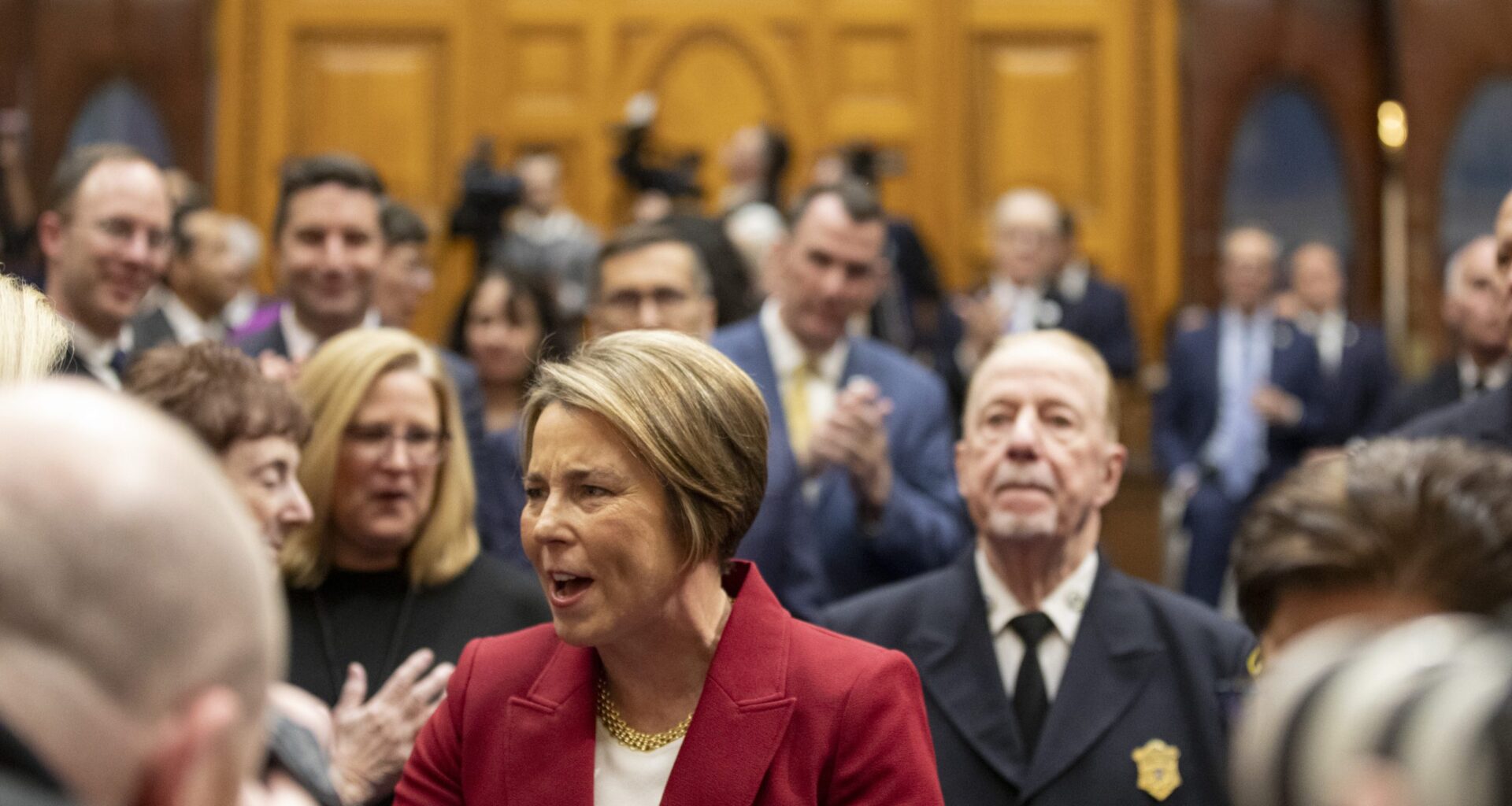
Those dynamics are running headfirst into Gov. Maura Healey’s energy affordability push. Healey announced in her annual State of the Commonwealth speech last week that her administration will spend $180 million to cover the costs of 15 percent of ratepayers’ electric bills in February and March.
The utilities have also agreed to defer during those months an additional 10 percent of electric bills and 10 percent of gas bills for collection later. Liberty Gas, which will be giving its customers a 10 percent break without recouping that money, is the lone exception.
The costs of heating homes is a perennial issue this time of year in cold-weather regions like New England, so the savings offered during some of the most expensive months for energy are real. But if consistently below-average temperatures drag deeper into the winter, the average ratepayer might still wind up with comparatively higher bills as their heating systems use more energy to warm homes. Other charges, like the state’s energy efficiency program known as Mass Save, could also rise since they are based on a ratepayer’s energy use.
“This was a national cold snap, which has caused natural gas prices to spike across the nation, and this has pulled everyone’s prices up,” said Kyle Murray, Massachusetts state director for the Acadia Center. “It’s not just a Massachusetts-specific problem for these months. And as a result of that, we’re going to see really high bills, unfortunately, regardless of what the governor does. This relief is certainly welcome, but I think there’s just limited additional tools that they could tap into for additional relief.”
Dan Dolan, president of New England Power Generators Association, said energy usage is primarily driven by weather and when it’s this cold, it’s hard to know for sure that ratepayers will feel the governor’s efforts to provide this short-term relief.
Healey is looking for longer-term fixes, too. She continues to stump for her energy affordability legislation currently stalling on Beacon Hill — which was filed after skyrocketing bills last winter — following dissension among the Democratic supermajority that sprang up over how best to tackle soaring gas and electric prices. That political pressure to lower energy prices is continuing to build in the Bay State, home to the third-highest electricity costs in the country and rising gas bills, as Healey seeks reelection this year.
“We got to get that energy affordability legislation passed,” she told business leaders during remarks on Thursday before the Associated Industries of Massachusetts. “It’s going to allow us to do the things that we need to do to quickly bring in supply. … Every day that goes by is more cost, more pain for folks in Massachusetts and for our businesses, and we really need to get that done and get that done now.”
But even on her move to cut energy bills in February and March, Healey had to bat down efforts by the utilities to collect interest on the money they agreed to defer to later in the year. The governor said at a Wednesday press conference, where she unveiled her budget proposal, that she “demanded” the utilities to drop their bid.
“I’ve said, ‘Take the carrying costs off. Give people relief,’” Healey said. “They cannot afford it. People cannot afford it.”
Within four hours of that proclamation, Healey announced that the utilities did in fact agree to forgo their efforts to charge interest on the deferred winter energy bills.
Regardless, none of this is going to take away the pain ratepayers will feel this winter, said Rep. Brad Jones, the House Republican leader.
“There’s going to be sticker shock, and people are going to be really up in arms,” Jones said. “This whole scheme is a lot more window dressing than substantive relief.”
There are also regional concerns that require Healey’s attention as the cold weather persists.
The new transmission line carrying hydropower from Canada into Massachusetts that opened earlier this month didn’t deliver as much power as expected during the height of last week’s snowstorm, which dumped nearly two feet across parts of the state. The line, which is expected to account for nearly 20 percent of Massachusetts energy supply, had less power flow through to the US to meet energy demand in Canada, which was also hit hard by the storm.
Canadian hydropower has been delivering some power throughout the week, though, and Hydro-Quebec will pay steep penalties to Massachusetts that are guaranteed in the contract in order to protect ratepayers from these sorts of events, said Maria Hardiman, a spokesperson for the state’s Executive Office of Energy and Environmental Affairs.
High energy demand coupled with spiking natural gas prices — which more than doubled within a few weeks in January – and the decreased capacity from Canada has left New England’s energy grid more reliant on oil as a backup energy source to generate power.
During peak periods last week, oil accounted for more than 40 percent of electricity in the region, though it fell to around 25 percent as of Friday morning, ISO New England reported. That’s caused carbon dioxide emissions from power plant facilities to shoot up, according to data from the grid operator.
Because the grid is dealing with what officials are calling “tight operating conditions,” officials are seeking to extend federal approvals to ensure all power sources – including oil – can be used regardless of emissions limits.
And the use of so much oil is prompting officials to pay close attention to dwindling supplies of that resource to avoid any blackouts heading into another potential storm this weekend.
But this season’s cold blast is prompting hand-wringing for both the short- and long-term. Murray at the Acadia Center said the price spikes ratepayers are bracing for is more proof for why “we need to move as quickly as possible to get off of the volatile fossil fuel marketplace and invest heavily in energy efficiency.”
This article first appeared on CommonWealth Beacon and is republished here under a Creative Commons Attribution-NoDerivatives 4.0 International License.
Copy Content
Tracking snippet:
Copy Snippet