by croatiaweek
January 30, 2026
in
(Photo: Vlada Republike Hrvatske)
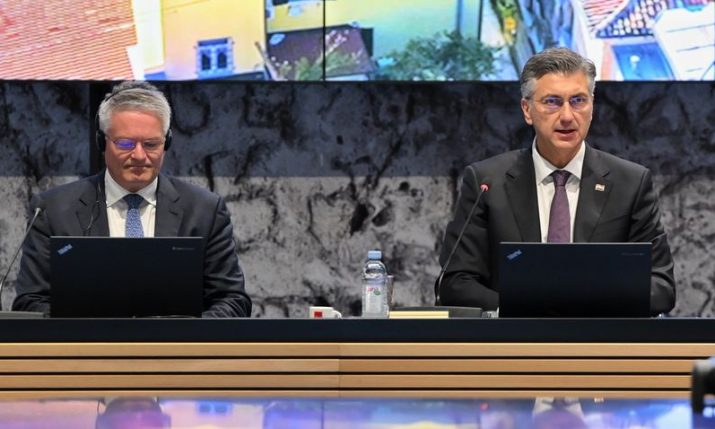
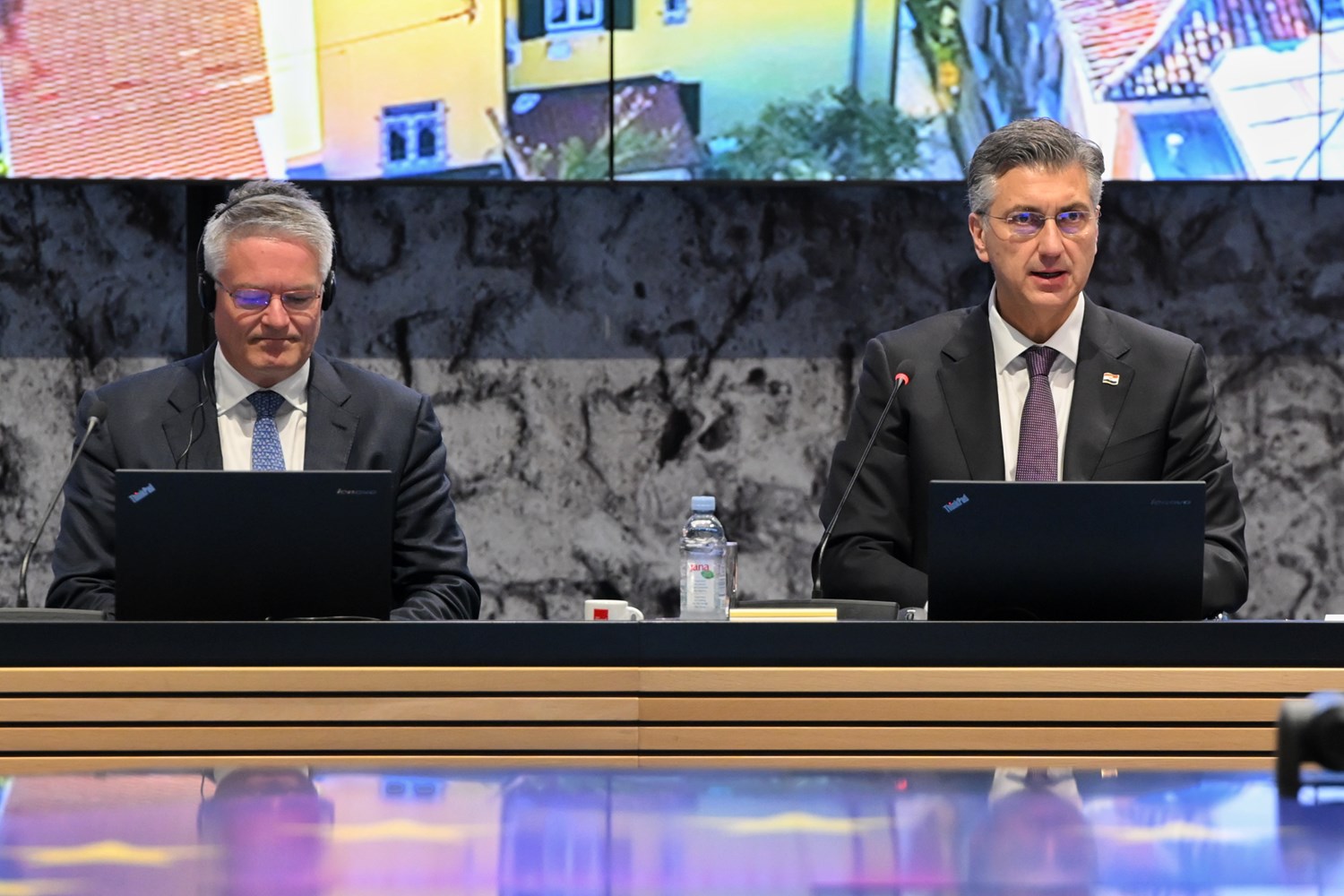
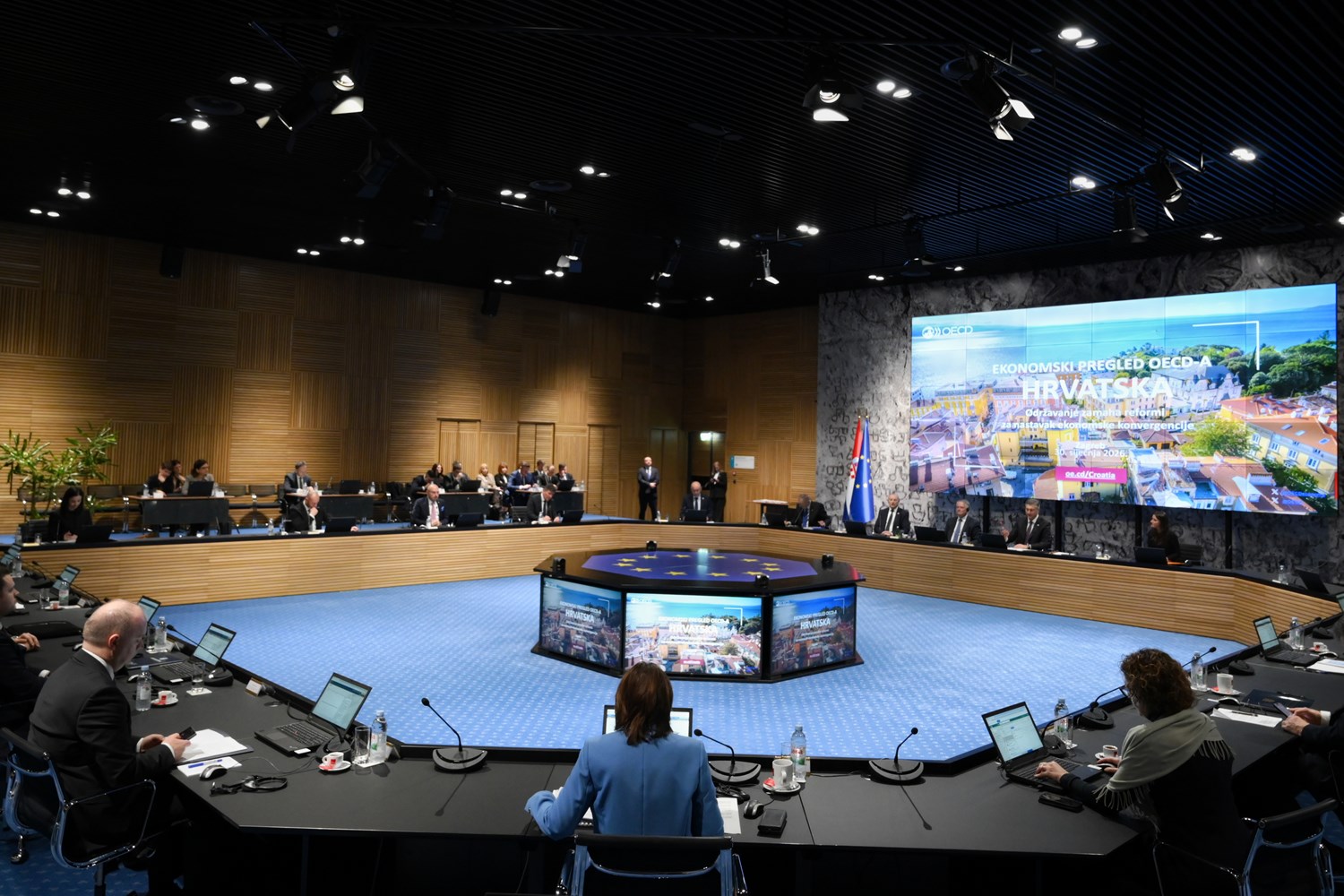
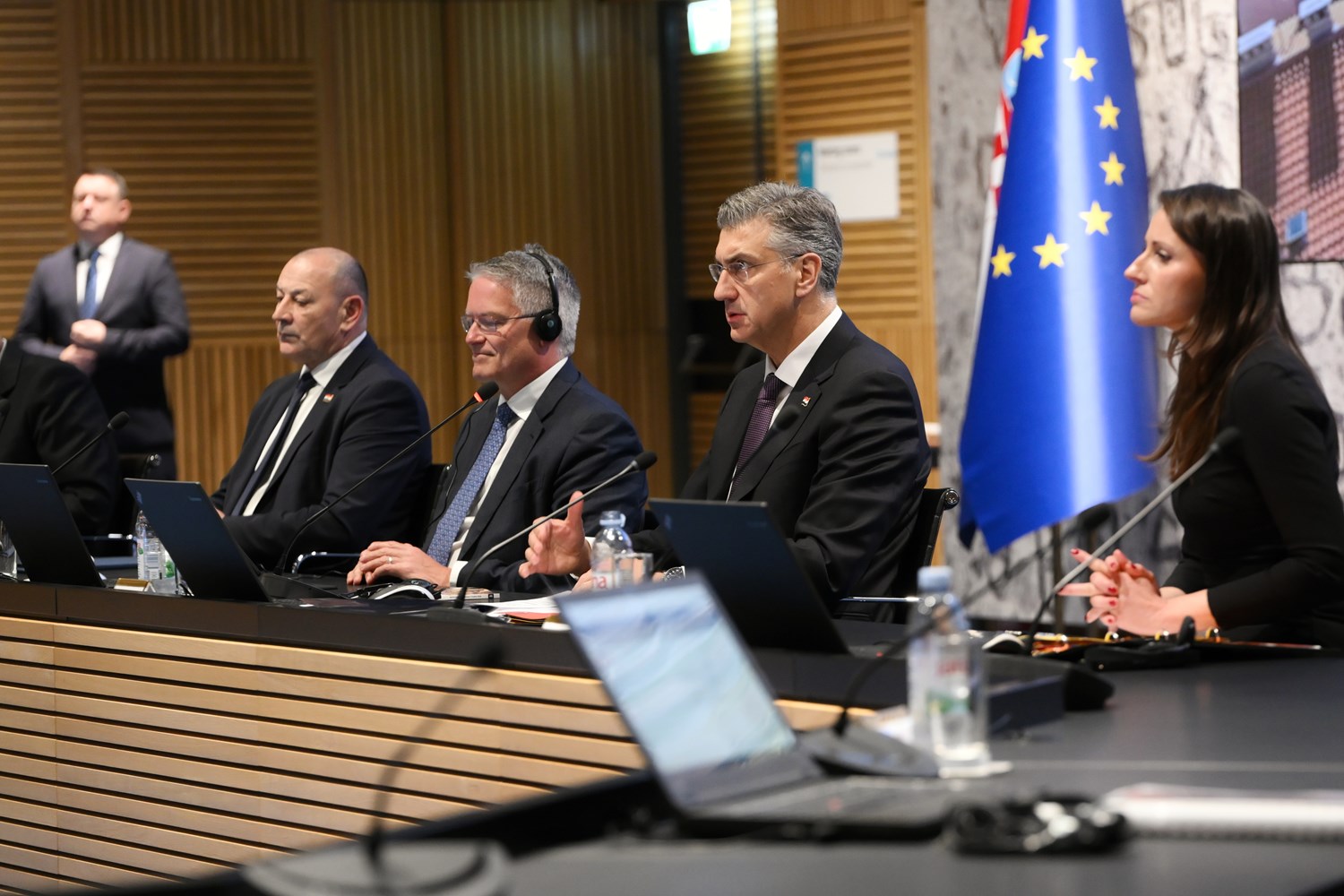
Croatia is approaching the final stage of its accession to the Organisation for Economic Co-operation and Development (OECD), marking the completion of its international economic positioning, Prime Minister Andrej Plenković said during a session on Friday at which OECD Secretary-General Mathias Cormann presented the organisation’s second Economic Survey of Croatia.
Plenković thanked Cormann for his support throughout Croatia’s accession process, recalling that the first OECD report on Croatia was presented in Zagreb in September 2023.
That report, he said, served as a key catalyst for adopting OECD legal instruments, conventions and recommendations, building on reforms already implemented during Croatia’s accession to the European Union.
Reflecting on Croatia’s journey over three and a half decades of independence, the Prime Minister highlighted the country’s path from international recognition and the Homeland War to membership of NATO, the EU, the euro area and the Schengen zone. OECD membership, he stressed, represents the final step in Croatia’s integration into the world’s leading economic and political institutions.
Plenković underlined Croatia’s strong economic performance, noting that GDP has almost doubled since 2016 and is growing faster than the EU and eurozone averages.
(Photo: Vlada Republike Hrvatske)
Employment stands at around 1.73 million outside the tourist season, while unemployment has fallen below 5 per cent. Wages and pensions continue to rise, public debt has been reduced to around 56 per cent of GDP, and Croatia holds an investment-grade credit rating with stable or positive outlooks from all major agencies.
Significant reforms have already been implemented in tax policy and the management of state-owned enterprises, with further reforms planned in the judiciary, public administration and labour market. Major investments are also underway in education, worth €2.7 billion, alongside a strong focus on energy security and positioning Croatia as a regional energy hub.
Cormann praised Croatia’s progress, describing OECD accession as a “transformational journey” that supports long-term growth and rising living standards.
He noted that Croatia’s GDP per capita has reached 81 per cent of the OECD average, up from 62 per cent a decade ago, driven by strong and resilient economic growth.
(Photo: Vlada Republike Hrvatske)
The OECD forecasts GDP growth of 2.7 per cent this year and 2.4 per cent next year, while recommending further steps to ensure fiscal sustainability, including broadening the tax base, improving tax efficiency and gradually phasing out broad energy and price subsidies in favour of targeted support for vulnerable households.
The report also highlights the need to address demographic ageing through pension, healthcare and labour market reforms, improve housing affordability, and accelerate climate policies to achieve net-zero emissions by 2050.
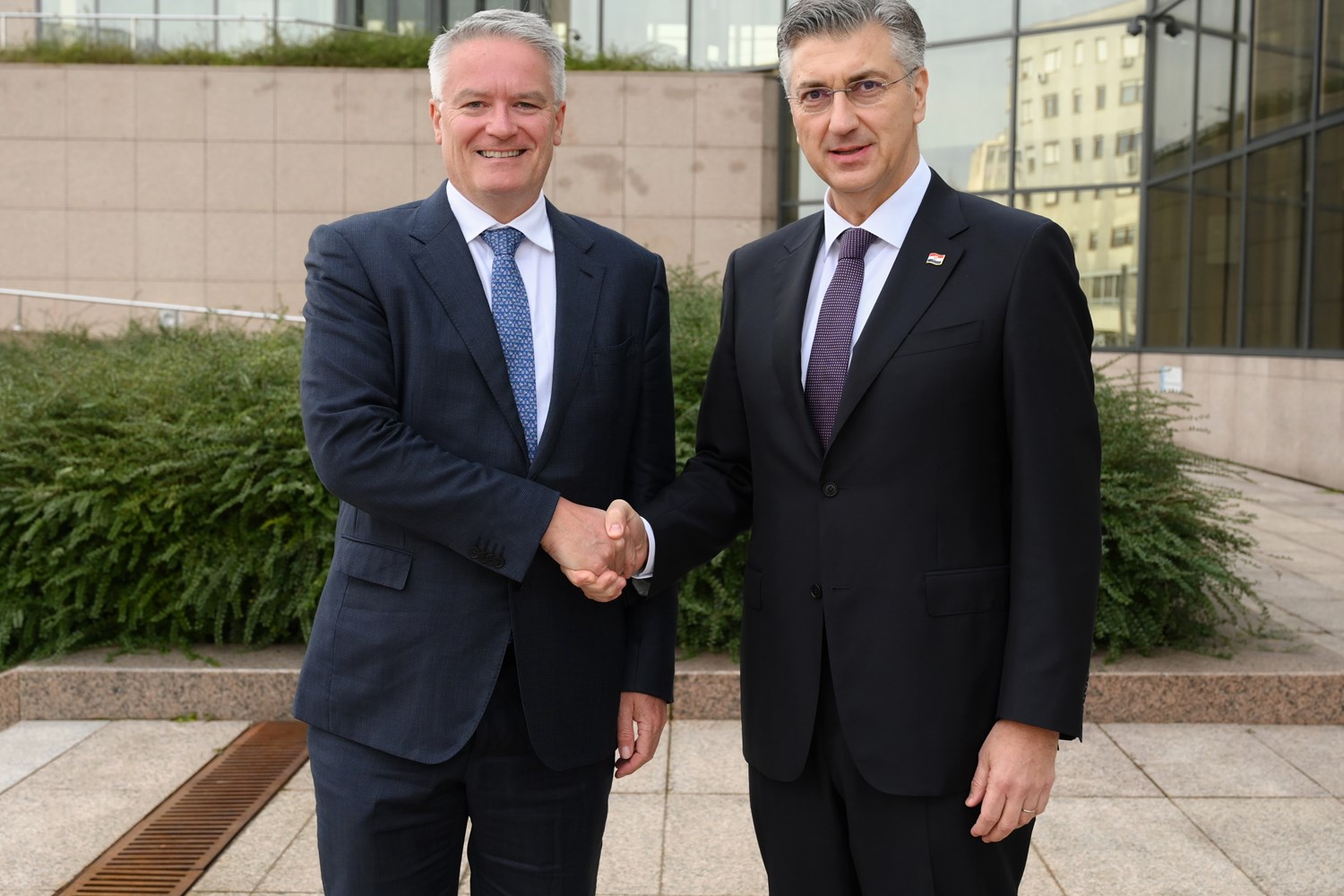
(Photo: Vlada Republike Hrvatske)
Cormann concluded that Croatia’s economy is in very good shape and firmly on track to converge with OECD income and living standards, expressing strong support for Croatia’s imminent membership.