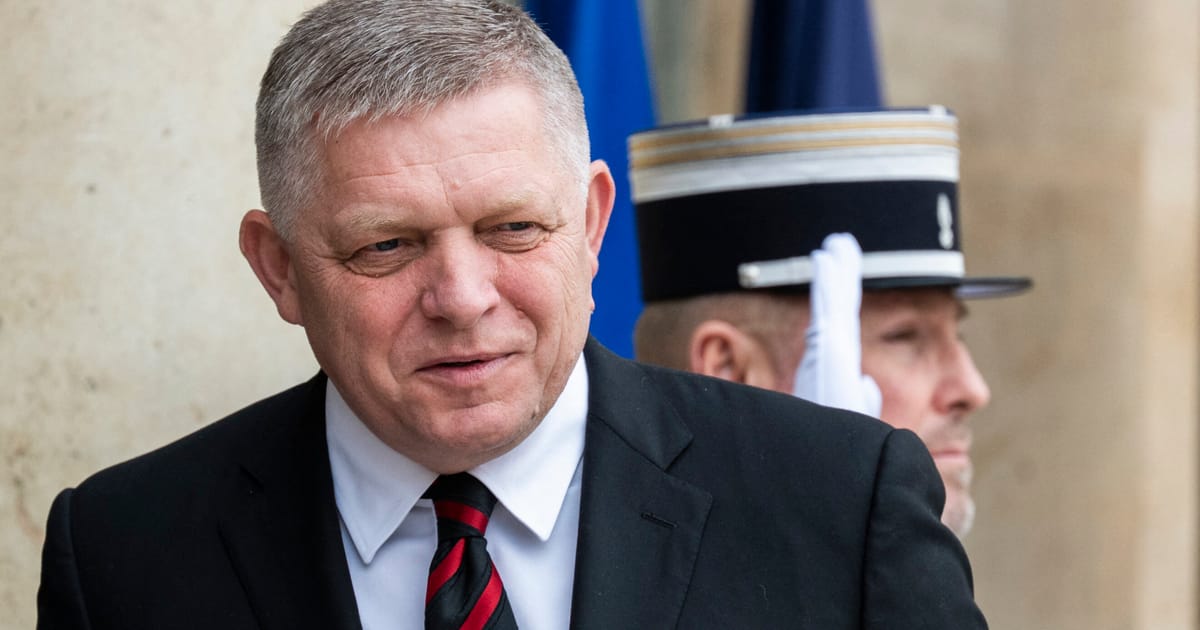
Brussels’ move comes amid strong pressure from lawmakers and NGOs to act against Fico’s crackdown against independent institutions and suspected fraud involving EU farm funds.
Zuzana Dlugošová, the head of the whistleblower protection office, said that she had repeatedly warned Slovak officials that the plans were in contradiction with EU law.
“If expert feedback had been taken into account, Slovakia could have avoided EU infringement proceedings. Still, we believe that this process itself can help foster a more professional and substantive debate on how whistleblower protection should be properly set up in Slovakia,” Dlugošová said.
Slovakia’s permanent representation in Brussels and interior ministry did not immediately respond to POLITICO’s requests for comment.
Brussels has given Bratislava one month to respond to its queries before taking further action — which could potentially include cutting EU payouts to Slovakia after a multi-layered process.
Since returning to power in 2023 for a fourth term, Fico’s Smer party has taken steps to dismantle anti-corruption institutions, including abolishing the Special Prosecutor’s Office, which handled high-profile corruption cases, and disbanding NAKA, an elite police unit tasked with fighting organized crime.
“The European Commission’s decision … sends a clear message: protecting whistleblowers is not optional — it is a core obligation of every EU Member State,” Czech MEP Tomáš Zdechovský said in written remarks to POLITICO.