
Italy, 30 January 2026 — Brussels Morning Newspaper highlights how surging bullion prices are reshaping Italy’s renowned jewellery sector within the luxury gold market. Across historic manufacturing hubs, artisans are refining design philosophies to reflect shifting economic realities. Exporters are recalibrating pricing strategies amid prolonged global volatility, while retailers adapt to increasingly value-conscious luxury consumers. From workshops to showrooms, these developments provide Brussels-focused insight into how Europe’s high-end industries are responding to changing market forces.
A Historic Price Environment Reshapes an Industry
Gold prices in 2026 have reached levels that few industry veterans recall witnessing. Driven by global inflation concerns, geopolitical instability, and strong investor demand, the sustained surge has created structural changes across the luxury gold market. Italy, long considered the spiritual heart of fine jewellery, is experiencing this transformation in real time.
For decades, Italian jewellery was defined by generous use of high-purity gold and ornate craftsmanship. Today’s price environment is encouraging a more strategic approach, where creativity and efficiency have become just as important as heritage.
Italy’s Jewellery Districts Feel Immediate Pressure
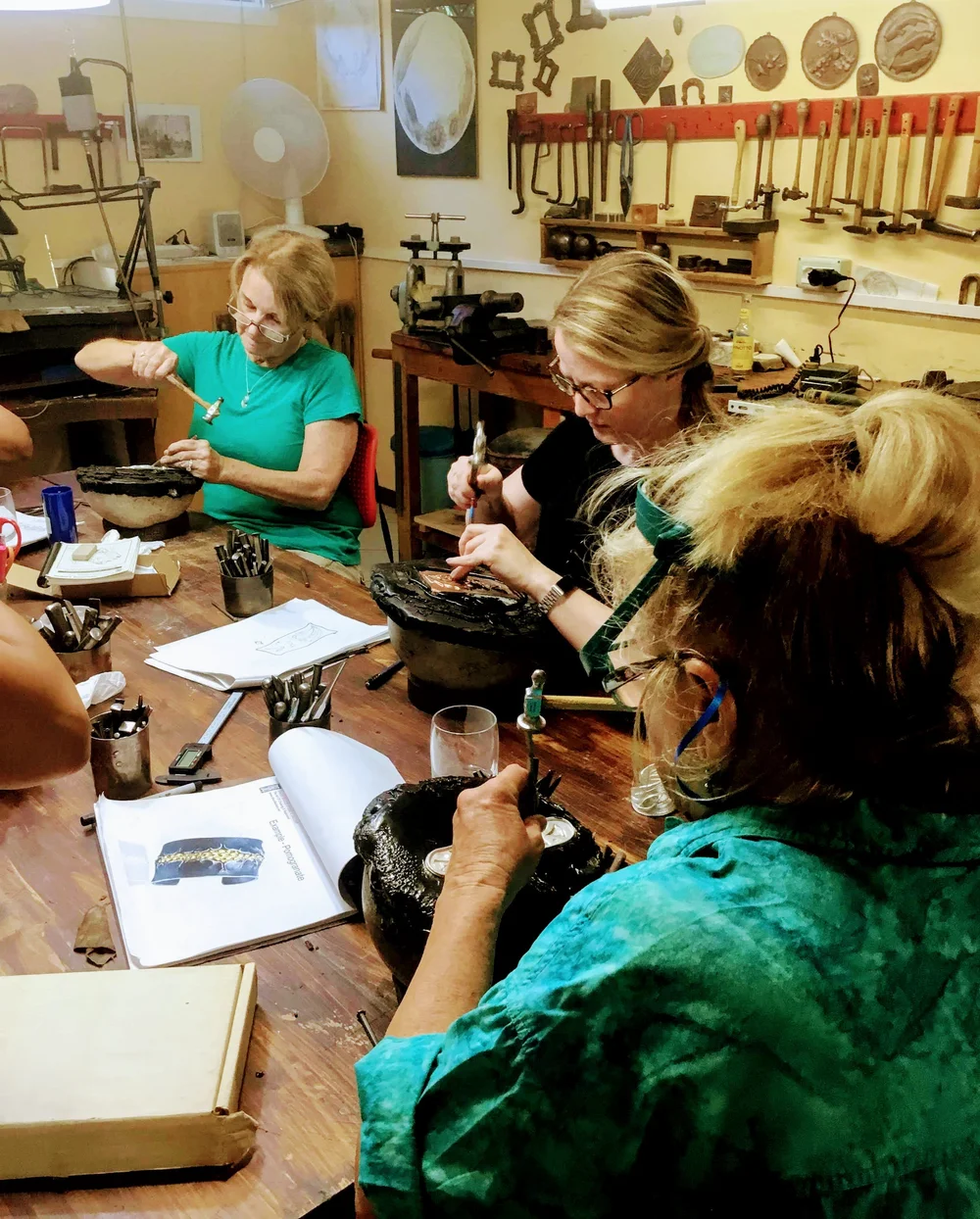
From Vicenza to Arezzo and Valenza, Italy’s jewellery districts are responding to higher input costs that affect every stage of production. Small family workshops and large manufacturers alike are reassessing material usage, inventory cycles, and export pricing.
Within the luxury gold market, Italy’s regional clusters play a crucial role, supplying premium pieces to Europe, the Middle East, Asia, and North America. Rising costs have intensified the need for operational discipline while preserving the identity that distinguishes Italian jewellery globally.
Design Innovation Replaces Material Weight
One of the most visible shifts has emerged in design philosophy. Heavier pieces are giving way to refined structures that emphasize balance, proportion, and visual impact. Hollow techniques, fine detailing, and architectural shapes are now central to many collections.
This evolution reflects how the luxury gold market is redefining value. Rather than focusing on gold weight alone, designers are highlighting craftsmanship, engineering precision, and artistic narrative.
Consumer Expectations Evolve with the Market
Luxury buyers remain engaged, but their expectations are changing. Customers in 2026 are more informed, comparing design, origin, and long-term value before making purchases. This shift is reshaping demand patterns across the luxury gold market.
Younger consumers are particularly influential, favoring wearable pieces that suit modern lifestyles while retaining symbolic meaning. Italian jewellers are responding with collections that bridge tradition and contemporary aesthetics.
Export Strategies Adjust to Global Competition
Italy’s jewellery exports are a cornerstone of its manufacturing economy. As prices rise worldwide, competition has intensified from producers offering alternative materials or hybrid designs. To remain competitive, Italian exporters are emphasizing brand heritage, artisanal skill, and design excellence within the luxury gold market.
International buyers continue to associate Italian jewellery with authenticity and refinement, qualities that remain powerful even in a high-price environment.
Technology Becomes Central to Production
Advanced manufacturing tools are playing a growing role in managing costs. Digital modeling, laser cutting, and precision casting allow jewellers to reduce waste while maintaining intricate detail. These technologies are now integral to operating efficiently within the luxury gold market.
Beyond efficiency, technology enables faster customization and limited-edition production, supporting exclusivity without excessive material use.

Sustainability Moves from Concept to Necessity
Environmental responsibility has become closely linked to economic sustainability. Using recycled gold, improving traceability, and minimizing excess material are practical responses to current conditions. Across the luxury gold market, sustainability is no longer optional but embedded in long-term strategy.
Italian brands are increasingly transparent about sourcing, appealing to consumers who view ethics as an essential part of luxury.
Retail Experiences Adapt to New Realities
Retailers are also adjusting their approach. Inventory management has become more precise, and storytelling has taken center stage. Personalized service, craftsmanship demonstrations, and curated collections help justify premium pricing within the luxury gold market.
Digital retail channels are expanding, allowing Italian jewellers to reach global customers directly while maintaining brand control.
Industry Perspective on the Transition
One senior jewellery consultant observed,
“High gold prices are forcing discipline, but they are also pushing Italian jewellers to rediscover the strength of design over volume.”
This sentiment reflects a broader view that the luxury gold market is evolving rather than contracting.
Confidence remains cautious, yet many industry leaders see opportunity in transformation.
Cultural Significance Sustains Demand
Gold continues to hold deep cultural meaning across societies. Weddings, anniversaries, and ceremonial gifting still drive demand, providing resilience even as prices rise. This emotional foundation supports stability within the luxury gold market, particularly for heritage brands.
Italian jewellers are reinforcing this connection by emphasizing symbolism and storytelling in their designs.
Financial and Regulatory Factors in 2026
Higher prices have also increased attention on financing, insurance, and compliance. Working capital requirements have grown, influencing how businesses operate within the luxury gold market. Companies with diversified revenue streams are better positioned to manage volatility.
Regulatory scrutiny around sourcing and transparency is also shaping operational standards.
Global Outlook Beyond Italy
While Italy remains a benchmark, similar adjustments are unfolding worldwide. Elevated prices are likely to persist, encouraging continued innovation. The luxury gold market is expected to prioritize efficiency, sustainability, and design intelligence well beyond 2026.
Italy’s response is being closely watched as a model for balancing heritage with modern economic realities.

Heritage and Modernity Find Common Ground
Italian jewellery continues to draw strength from its ability to unite centuries-old craftsmanship with contemporary design thinking. Faced with rising costs and changing consumer expectations, artisans are refining techniques rather than abandoning tradition.
Time-honored skills are being paired with modern tools and leaner aesthetics. This balance allows creativity to flourish without eroding cultural identity.
Within the luxury gold market, Italy’s adaptability is reinforcing its global relevance. The result is a renewed expression of heritage shaped for a modern era.
When Design Carries More Weight Than Gold
As 2026 progresses, Italian jewellers are redefining what luxury truly represents. Artistic vision, precision, and innovation are increasingly valued over sheer material volume.
Designers are proving that elegance can be achieved through structure, proportion, and meaning. This shift highlights the enduring importance of craftsmanship in uncertain economic times.
While prices influence strategy, creativity continues to guide direction. The luxury gold market is being reshaped not just by cost, but by ideas that give jewellery lasting value.