

Published
30/01/2026 às 18:23
Updated
30/01/2026 às 18:24
The US government approved a plan for Latin America. up to US$1,5 billion for naval infrastructure projects aimed at expanding logistical and operational capacity in the Pacific Ocean.
The United States approved a defense cooperation operation aimed at modernization of naval infrastructure in Latin America, with an estimated investment of up to US$1,5 billionThe initiative involves engineering, design, and construction services for facilities related to maritime operations.
This measure has a direct impact on logistical capacity in Pacific Ocean, by strengthening the operational structure of a partner country and increasing the efficiency of naval activities in the region.
The plan still depends on administrative steps to move forward with contracting and executing the works, maintaining its status as an authorized operation subject to formal processes.
— ARTICLE CONTINUES BELOW —
See also other features
With 400 intercontinental ballistic missiles on alert, operations planned until 2075, and a cost already exceeding US$130 billion, the LGM-35 Sentinel marks the biggest upgrade to the United States’ land-based nuclear deterrent since the Cold War.

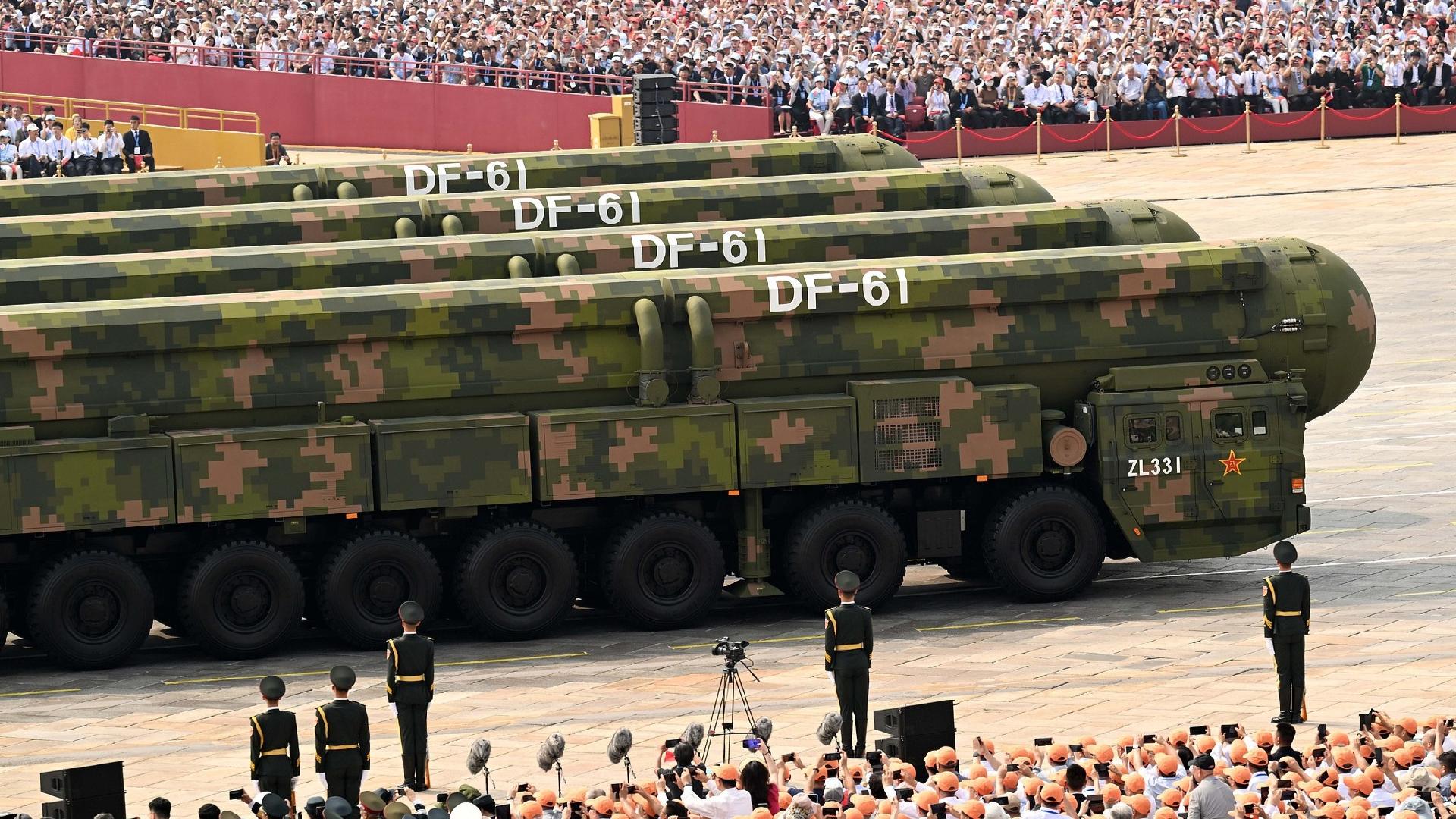
With an estimated range of between 12.000 and 15.000 km, mobile launch via 16-wheeled platforms, and strategic nuclear capability, the DF-61 marks China’s new generation of intercontinental ballistic missiles.
With a range of approximately 600 km, a hypersonic glide vehicle, and an unpredictable flight profile designed to evade modern defenses, the Hwasong-11E emerges as the new high-speed threat in North Korea’s ballistic arsenal.

Capable of launching nuclear missiles with a range of over 10 km from camouflaged trains, the RT-23 Molodets transformed 120 kilometers of Soviet railways into mobile platforms for strategic attack.

Project envisions modernization of naval base in strategic port area.
The modernization is linked to a naval base located in one of the main port hubs of the country involved. The location is important because it concentrates a large part of maritime operations and is close to the main national urban and economic center.
The improvements focus on adapting existing infrastructure to new operational requirements, raising safety and efficiency standards for naval and logistics activities.
The project focuses on maritime and land-based facilities, integrating support areas, maintenance, and operational support for the base.
Authorized investment reaches up to US$1,5 billion and could be less.
The value of up to US$1,5 billion This serves as an estimated maximum cost for the operation. The final cost may be lower than this, depending on the final scope, contracts, and the technical definition of the project phases.
The resources cover engineering, construction, management, and administrative support services and activities related to naval infrastructure.
The authorization places the initiative among the largest recent operations involving military cooperation in Latin America.
Implementation may involve up to 20 specialists for up to 10 years.
The project implementation involves the participation of up to 20 specialists, with a focus on technical supervision, management, and monitoring of construction projects.
The participation period may last up to 10 years, according to the schedule and implementation needs.
This action is described as technical and administrative, without indicating any change in the operational control of the space, which remains the responsibility of the host country.
Services include engineering, management, and logistical support for the project.
The service package includes facility lifecycle design, studies, infrastructure assessments, project planning and management.
Procurement and contract management services are also planned, in addition to logistical support and technical assistance during development.
The goal is to ensure that modernization is carried out according to defined standards and with coordination among the parties involved.
According to the Defense Security Cooperation Agency, the U.S. Department of Defense agency responsible for international military cooperation, the operation follows the Foreign Military Sale program.
The operation takes place within the program. Foreign Military Sale, a mechanism that provides technical support, services, and infrastructure to partner countries through formal procedures.
This model is used to structure defense projects with monitoring and management, without automatically indicating a permanent military presence.
The authorization also indicates that the initiative does not aim to alter the regional military balance, focusing instead on strengthening logistical and defensive capabilities.
Project gains momentum amid logistical disputes in the Pacific.
Modernization is taking place against a backdrop of increasing importance for international trade and logistics on the Pacific coast. Investments in ports and maritime corridors are intensifying competition for routes and operational capacity.
With more modern infrastructure, the naval base is expected to become more efficient in supporting operations, maintenance, and logistical movements.
The strengthening of naval structures accompanies the increase in maritime traffic and the need to expand response capacity.
Approval of the investment up to US$1,5 billion It reinforces the movement to modernize naval infrastructure in Latin America, focusing on efficiency and logistics in the Pacific.
If the administrative steps move forward, the project could consolidate important operational gains for the country involved and increase its strategic relevance in the region.