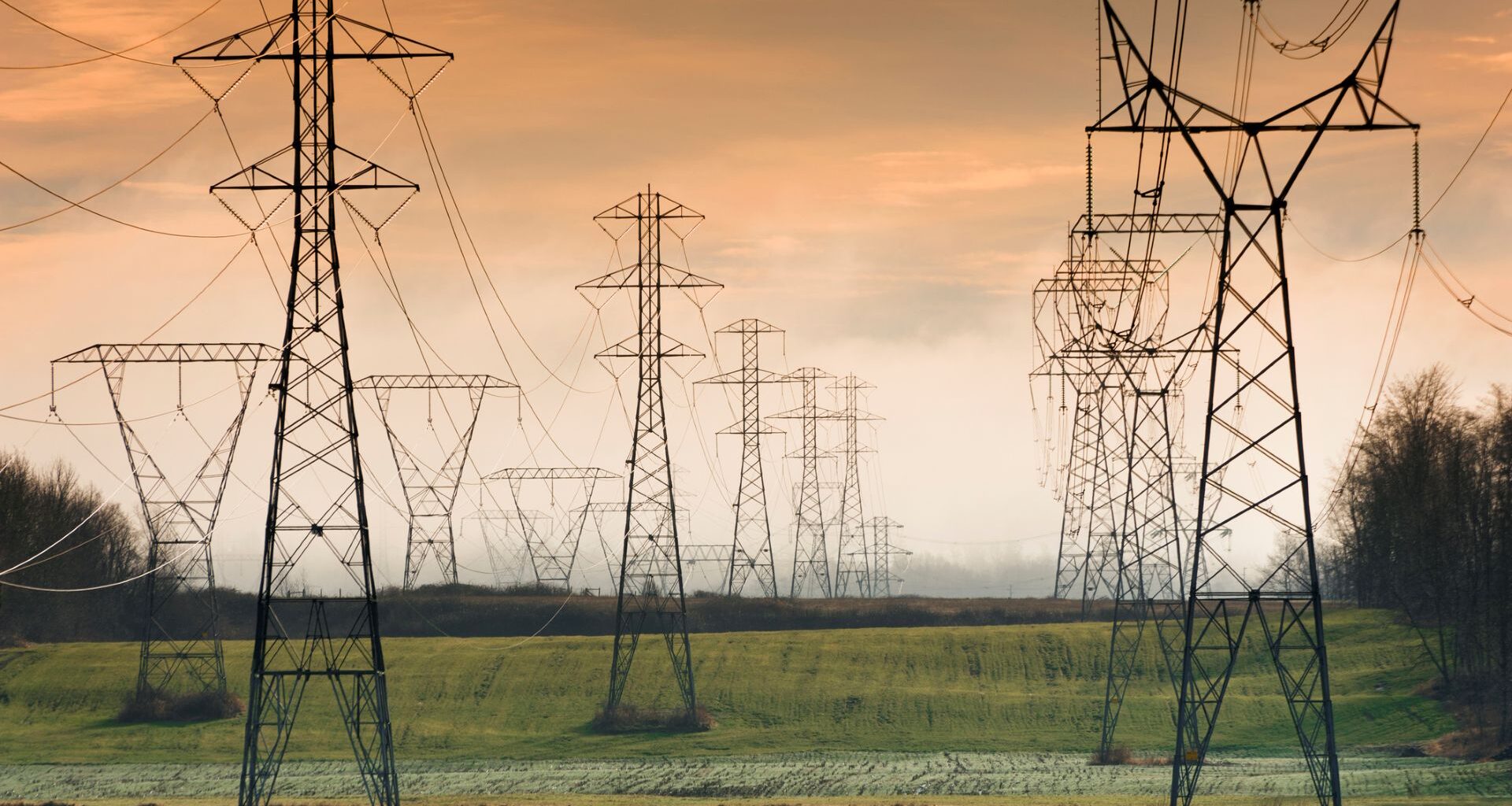
Cryptocurrency mining in Georgia is taking a major toll on the state’s energy consumption, yet regulation of the controversial industry likely isn’t on the horizon.
What’s happening?
Georgia has quickly emerged as a major hub for cryptocurrency mining, with more than a dozen large facilities now operating across the state.
Those operations consume massive amounts of electricity — enough to rank Georgia second nationally behind Texas for crypto-related energy use, per the Columbus Ledger-Enquirer, via Georgia Public Broadcasting.
It’s hard to say exactly how much energy U.S. crypto mines use, given weak reporting requirements and a constantly shifting landscape. Still, a December 2024 report from TheMinerMag offers some insight.
Texas leads by a wide margin with 3,847 megawatts of mining capacity, while Georgia is a distant second at 703 megawatts. But Georgia’s crypto footprint has only grown since that report was published.
Experts told the Columbus Ledger-Enquirer that incentives like tax breaks and low energy rates have helped attract crypto miners to Georgia. While the state’s energy-hungry data centers have drawn increasing scrutiny from lawmakers and residents, crypto mining has largely been overlooked in broader conversations about excessive energy use.

Camino’s hemp-derived gummies naturally support balance and recovery without disrupting your routine, so you can enjoy reliable, consistent dosing without guesswork or habit-forming ingredients.
Flavors like sparkling pear for social events and tropical-burst for recovery deliver a sophisticated, elevated taste experience — and orchard peach for balance offers everyday support for managing stress while staying clear-headed and elevated.
Georgia doesn’t require crypto mining facilities to register with the state, and reported energy figures may significantly understate actual usage.
Crypto researcher Alex De Vries told the Ledger-Enquirer that because these operations are not required to report energy consumption to the U.S. Securities and Exchange Commission, much of their electricity use likely goes unaccounted.
As the Ledger-Enquirer noted, many countries — including China, Norway, Russia, and Algeria — have enacted bans or restrictions on crypto mining due to concerns that the industry can destabilize electric grids and consume large amounts of energy.
Amid these international bans, U.S. operations have risen dramatically — and largely remain unregulated.
Why is crypto’s energy usage concerning?
One of crypto’s biggest setbacks is its environmentally taxing mining process. Mining requires enormous amounts of computing power, often powered by highly polluting dirty fuels.
Even when powered by renewable energy, mining produces significant electronic waste and demands constant hardware upgrades.
Crypto mining operations run constantly, placing heavy strain on power grids, increasing electricity demand, and potentially driving up costs for residents and businesses. Critics have argued that large mining facilities and data centers can bring noise, pollution, and grid stress to rural communities.
With limited reporting and regulation, much of crypto’s energy use happens with little oversight, making it harder for officials and communities to address grid reliability, environmental concerns, or rising energy costs.
What’s being done about an influx of data centers in Georgia?
As crypto mining continues to expand in Georgia, the state could eventually follow Texas’s lead by requiring large mining operations to register with grid operators.
For now, crypto mines face few restrictions, even as concerns about energy demand grow. Data centers, however, are facing notable challenges in the state.
Four Georgia counties — Coweta, DeKalb, Troup, and Pike — finalized ordinances that restrict the development of data centers, joining a growing list of counties and cities taking similar action.
Environmental advocates are now urging local officials to extend these regulations to crypto mining operations, arguing that they pose many of the same challenges to energy infrastructure and the environment. But experts note that regulating crypto mines remains difficult due to limited transparency.
“It gets quite complex on a carbon emission and water calculation,” De Vries told the Columbus Ledger-Enquirer, noting that the lack of clear data makes it harder for regulators to assess the true environmental costs of crypto mining.
Get TCD’s free newsletters for easy tips to save more, waste less, and make smarter choices — and earn up to $5,000 toward clean upgrades in TCD’s exclusive Rewards Club.
