Published on
January 31, 2026
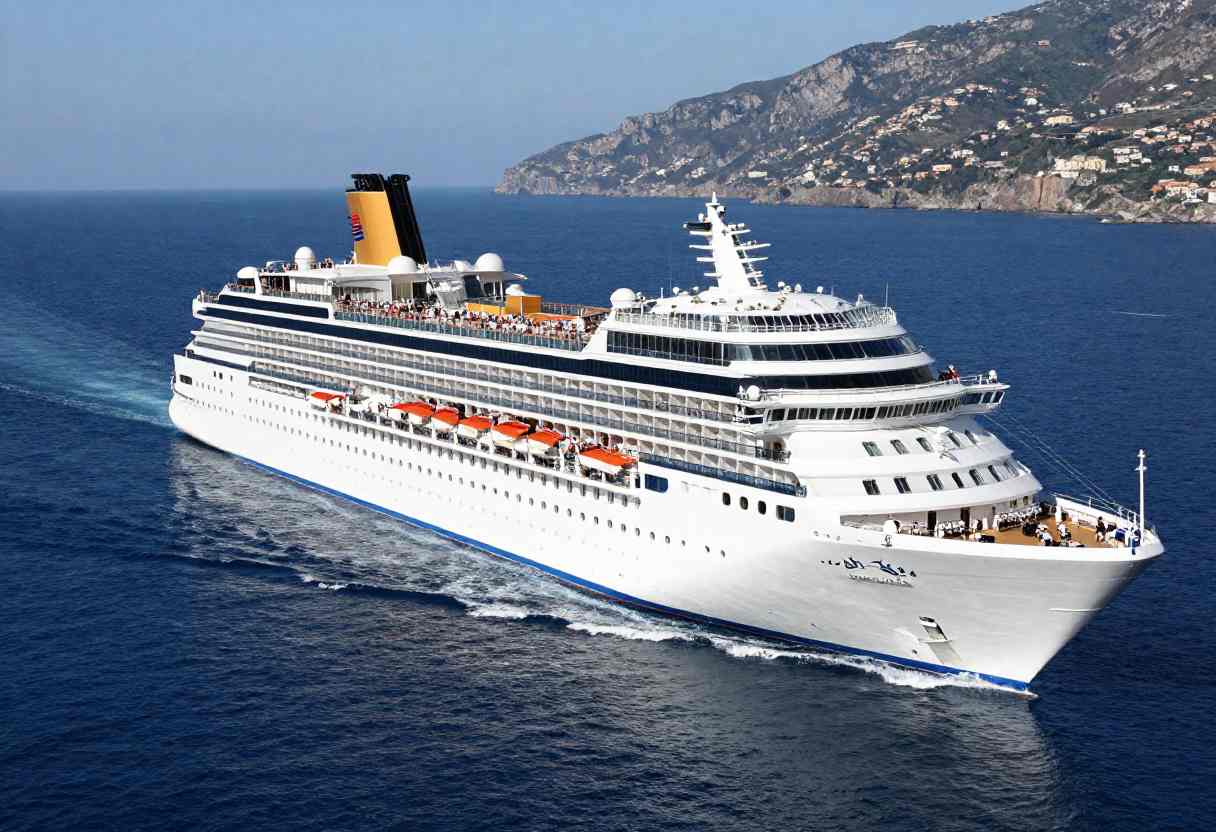
As the cruise industry gears up for a booming 2026 season, Italy, Spain, Croatia, and Norway are emerging as Europe’s premier cruise destinations. With a mix of historic charm, breathtaking landscapes, and world-class infrastructure, these countries are set to welcome an influx of passengers, making them the key hubs for Mediterranean and Northern European cruises. Italy continues to draw travellers to its iconic ports, including Venice and Civitavecchia, while Spain remains a cornerstone of Mediterranean itineraries. Croatia’s Adriatic coast is rapidly growing in popularity, offering serene beauty and cultural richness, while Norway is capturing the hearts of nature lovers with its stunning fjords. As these countries prepare for increased cruise demand, the benefits extend beyond tourism. Local economies will thrive, with job creation, increased spending, and business growth. The cruise industry’s expansion in 2026 promises to shape the future of European tourism, reinforcing the region’s central role in global cruising.
Cruise Passenger Movements in Europe: A Snapshot of 2024 Data
The latest Eurostat maritime passenger statistics provide valuable insights into the cruise passenger movements in Europe in 2024. According to the data, Italy and Greece were the leading countries in the European cruise market, making significant contributions to the overall passenger numbers.
Italy recorded a remarkable 93.5 million cruise passengers, accounting for 22.4% of the EU’s total. This number highlights Italy’s importance as a cruise hub, not only for Mediterranean itineraries but also for international sailings. With major ports like Civitavecchia (Rome), Venice, and Naples, Italy remains a prime destination for cruises, offering passengers a rich combination of history, culture, and scenic beauty.
Greece followed closely with 81.1 million cruise passengers in 2024. Its strategic position in the Mediterranean and its iconic islands continue to attract millions of cruise tourists each year. Ports like Piraeus (Athens) and Santorini remain among the most popular stops for Mediterranean cruises, making Greece one of the top destinations for cruise tourism in Europe.
Other European countries also played a role in the overall cruise passenger figures, but Italy and Greece remained dominant players in the region’s cruise market. The remaining EU countries accounted for the rest of the EU’s cruise passengers, contributing to the region’s standing as a global cruise leader.
Why These Figures Matter for Economic Growth
The growing number of cruise passengers has far-reaching economic implications for European economies. The Eurostat data helps government bodies, port authorities, and local businesses estimate the economic impact of cruise tourism, which includes local spending, job creation, and business revenue. Higher passenger throughput generally leads to increased contributions to local economies through port fees, excursions, hospitality, shopping, and transportation services.
Advertisement
Advertisement
Governments use these statistics to plan for the future economic contributions of the cruise sector. This includes tax revenue, business sales, and employment generated by cruise-related activities. By understanding these movements, ports and tourism departments can prepare for the necessary infrastructure development and manage tourism flows efficiently.
Projected Growth for the European Cruise Market in 2025–2026
As 2026 approaches, the cruise industry is expected to continue its steady growth. 37.7 million passengers are projected to embark on cruises in 2025, indicating strong demand that will have a direct impact on European markets. This ongoing growth reflects a global trend in which European countries remain some of the most popular and sought-after destinations for cruise passengers.
In addition to the increasing passenger numbers, the European cruise market valuation is expected to grow from USD 2.285 billion in 2024 to USD 2.574 billion in 2025. This growth will reflect an increase in both the volume of passengers and the economic output generated by the cruise sector, further reinforcing Europe’s position as a top cruise hub.
European cruise activity is also supporting a wide range of jobs in port cities, including those in port operations, excursions, restaurants, hotels, and transportation services. These jobs are crucial for local economies and contribute significantly to sustainable tourism growth in the regions they serve.
Key European Cruise Destinations for 2026
As the cruise industry prepares for the 2026 season, certain countries are consistently highlighted as core destinations within European cruise networks. These destinations have been carefully selected based on their strong port infrastructure, destination appeal, and regional collaboration with cruise lines.
Italy: A Mediterranean Cruise Hub
Italy is widely expected to remain a leading cruise destination for 2026, thanks to its strategic position in the Mediterranean, rich cultural offerings, and well-established port cities. Civitavecchia (Rome), Venice, and Naples continue to serve as major embarkation and transit ports for Mediterranean and European cruises.
Cruise itineraries for 2026 are being structured to offer passengers access to some of Italy’s most famous cities, including Rome, Florence, and the Amalfi Coast. These shore excursions provide a combination of art, history, gastronomy, and scenic exploration, making Italy a must-visit destination on many cruise itineraries.
Spain: Mediterranean and Atlantic Routes
Spain’s Mediterranean and Atlantic coastlines are expected to remain integral to European cruise planning for 2026. Barcelona, Palma de Mallorca, Valencia, and the Canary Islands are essential stops for multiple cruise brands, and Barcelona is one of Europe’s most significant cruise hubs.
Spain’s port infrastructure supports both embarkation and transit calls for cruises heading to other Mediterranean destinations such as Italy and France, while also serving as a key gateway to Atlantic and island-based cruises. The Canary Islands are expected to remain an attractive winter cruise destination, offering year-round appeal for passengers.
Portugal: Integration into Mediterranean and Atlantic Routes
Portugal is becoming an increasingly important cruise destination for 2026, particularly for Atlantic and Western Mediterranean routes. Ports such as Lisbon and locations along the Algarve coast are consistently featured in itineraries that connect Spain, France, and Italy.
Lisbon’s role as both a destination and a turnaround port is becoming more significant, as it offers passengers access to historic neighbourhoods and riverfront attractions. Additionally, Portuguese ports are being integrated into broader cruise networks connecting the Azores and the Canary Islands, expanding Portugal’s role in trans-regional itineraries.
Croatia: Emerging Adriatic Destination
Croatia’s Adriatic coastline is being positioned as one of the fastest-growing cruise regions for 2026, with ports like Dubrovnik, Split, and Vis Island being regularly featured on Mediterranean and Adriatic itineraries. There is also an increasing demand for smaller ships and yacht-style cruises, appealing to passengers seeking a more intimate experience along Croatia’s islands and coastal cities.
Croatia’s historic ports, well-preserved old towns, and natural beauty align perfectly with evolving cruise passenger preferences. As a result, Croatia is expected to play a major role in Adriatic cruise tourism throughout 2026.
Norway: Fjords and Scenic Cruises
Norway is experiencing a surge in demand for Northern European cruises, particularly for its fjord experiences. Norwegian ports, often included in itineraries alongside Sweden and Denmark, are expected to attract increasing passenger numbers in 2026.
The dramatic Norwegian fjords are becoming headline attractions, offering unique and scenic cruising experiences that cannot be replicated in other regions. Cruise Lines International Association (CLIA) has projected an upward trend for Northern Europe cruising in 2026, reinforcing Norway’s role as a key European cruise destination.
United Kingdom: Departure Point and Cruise Hub
The United Kingdom is expected to continue playing a significant role in European cruises in 2026, both as a departure point and a destination. Ports like Southampton and Liverpool will continue to serve as departure hubs for cruises to the Mediterranean, Northern Europe, and transatlantic destinations.
The UK’s cruise industry will remain integrated into global itineraries, and Southampton is forecasted to be one of Europe’s highest-volume cruise hubs, alongside Barcelona and Rome.
Conclusion: Europe’s Cruise Outlook for 2026
Europe’s cruise industry for 2026 is expected to be dynamic and diverse, with countries like Italy, Spain, Portugal, Croatia, Norway, the United Kingdom, and France leading the way as major cruise destinations. With continued growth in cruise passenger numbers, these regions are preparing for a strong cruise season. Cruise lines like Royal Caribbean and MSC are continuing to prioritise these destinations, ensuring that 2026 will be a year of sustainable growth and innovative cruising experiences.
As the industry evolves, European cruise destinations are balancing growth with sustainability, ensuring that the economic impact of cruise tourism benefits both local communities and the environment. Europe is poised to remain a global leader in the cruise sector, offering passengers a rich mix of heritage, culture, and scenic beauty in 2026.
