NEWYou can now listen to Fox News articles!
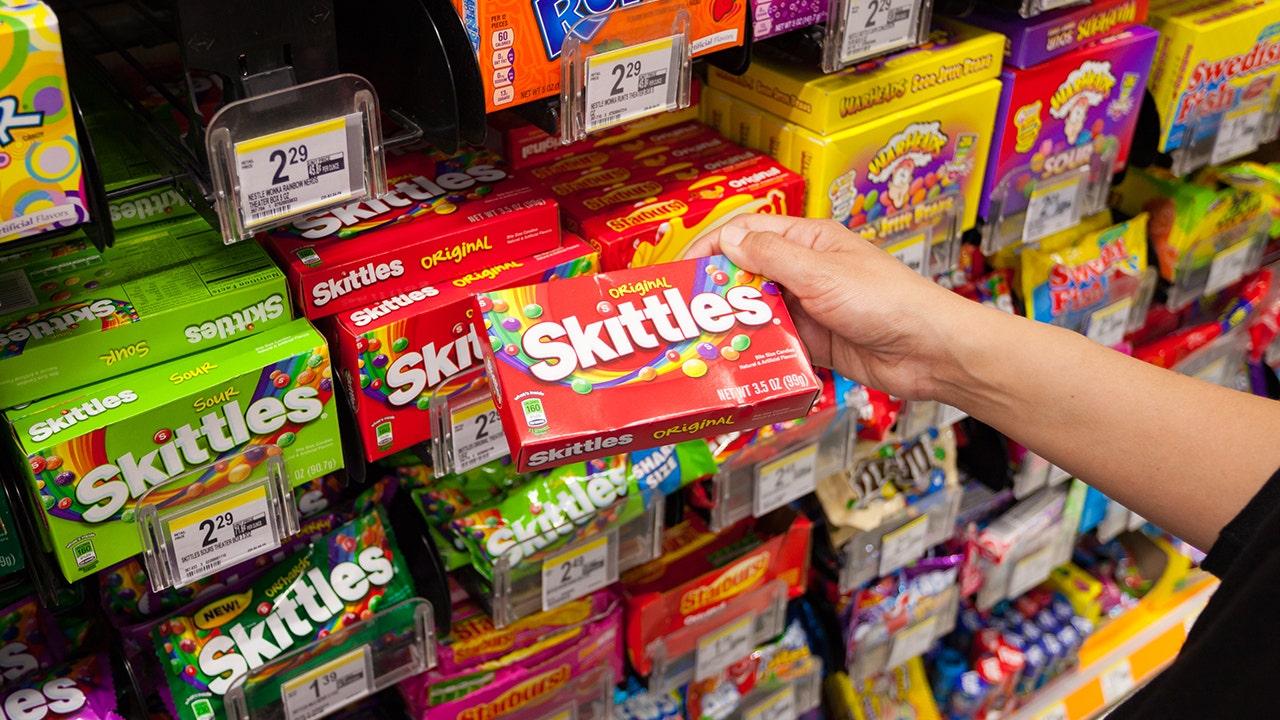
Arsenic was detected in dozens of popular candies, according to a new report released this week, raising questions about how foods are evaluated for heavy metals.
The Florida Department of Health said it tested 46 candy products from 10 companies and detected arsenic in 28 of them. Officials presented the findings as part of their Healthy Florida First initiative, an effort by Gov. Ron DeSantis tied to the broader “Make America Healthy Again” agenda that began with infant formula and has since expanded to other products marketed to children.
FOODS THAT AMERICANS WERE TOLD TO AVOID FOR DECADES ARE BACK UNDER TRUMP’S NEW NUTRITION RULES
“As parents and consumers, we should have confidence that the products sold in grocery stores are safe and free from poison,” First Lady Casey DeSantis said in a statement, describing the testing as an effort to increase transparency.

The findings were announced under Gov. Ron DeSantis’ Healthy Florida First initiative. (Matias J. Ocner/Miami Herald/Tribune News Service)
Candy was purchased online and from stores across the state and reportedly analyzed by a certified laboratory using EPA Method 6010D, a standardized metals-testing method that measures total arsenic but does not distinguish between organic and inorganic forms, the latter of which is considered more toxic.
The department then calculated “safe” consumption amounts based on hypothetical monthly and annual intake, using children as the benchmark because of their lower body weight and higher relative exposure.
No recalls were issued, and officials said potential health risks depend on frequency, duration and overall exposure.
CLICK HERE TO SIGN UP FOR OUR LIFESTYLE NEWSLETTER
The National Confectioners Association, which represents U.S. candy makers, disputed the findings and called the state’s conclusions “misguided.”
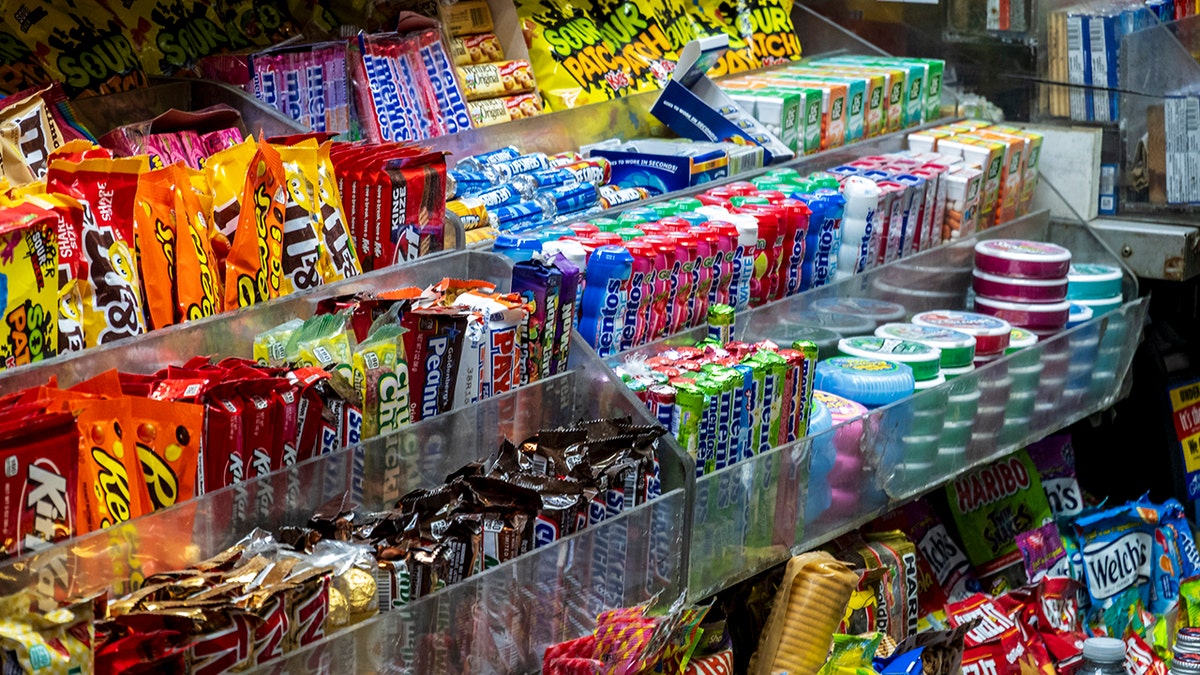
Florida health officials say testing detected arsenic in several popular candies. (iStock)
“Chocolate and candy are safe to eat and can be enjoyed as treats as they have been for centuries,” the NCA said in a statement. The group criticized Florida for relying on benchmarks that do not align with current federal regulatory standards or peer-reviewed science for confectionery products.
CLICK HERE FOR MORE LIFESTYLE STORIES
The association also argued that calculating risk based on hypothetical annual consumption levels could create unnecessary alarm and confusion.
The association pointed instead to the Food and Drug Administration’s Closer to Zero initiative and the agency’s newly released Total Diet Study Interface, which it said shows significantly lower arsenic levels in confectionery products than those reported by Florida.
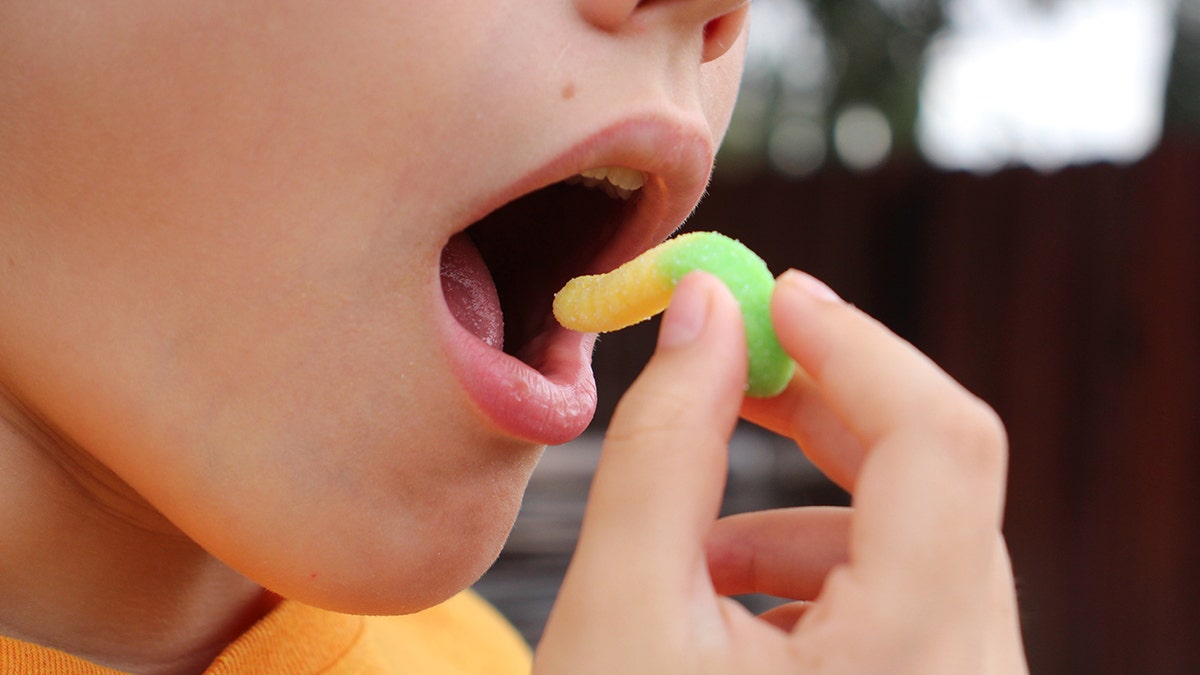
Florida officials said children were used as the benchmark due to higher exposure risk. (iStock)
TEST YOURSELF WITH OUR LATEST LIFESTYLE QUIZ
“Florida has chosen sound bites over science — ignoring this science-based program in favor of publishing unsourced materials that amount to little more than a scare tactic,” the NCA said in a statement. “Food safety and product quality remain our highest priorities, and we remain dedicated to being transparent and socially responsible — and we follow the science.”
Florida officials said the testing is meant to add to, not replace, federal food safety efforts.
CLICK HERE TO DOWNLOAD THE FOX NEWS APP
Here are the candies that reached the lowest annual thresholds based on detected arsenic levels, according to the report, meaning fewer pieces were needed over a year to reach the state’s benchmark compared with other products, along with the estimated number of pieces required to hit that benchmark:
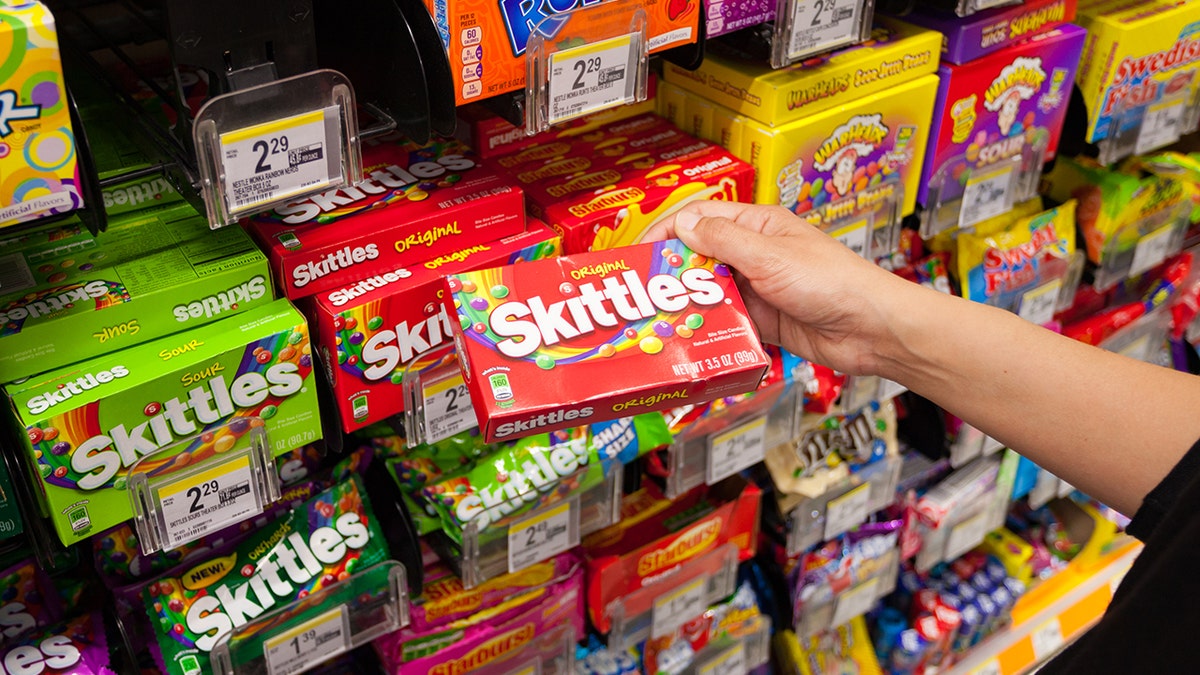
The confectionery industry pushed back on the state’s testing methods. (iStock)
Nerds (grape/strawberry) — 96 pieces per year SweeTarts Original — 48 pieces per year Sour Patch Kids — 36 pieces per year Skittles — 48 pieces per year Trolli Sour Brite Crawlers — 12 pieces per year Jolly Ranchers (sour apple/strawberry) — 6 pieces per year Twizzlers Strawberry — 4 pieces per year Tootsie Rolls — 8 pieces per year Snickers — about 2½ pieces per year Kit Kat — about 2½ pieces per year
The full list is available at ExposingFoodToxins.com.