Meat alternatives including plant-based foods, cultivated meat grown from animal cells, and proteins made through fermentation could add €111bn to the EU economy by 2040 with “modest” policy support and investment.
They could also create a €79bn market within the EU and a €60bn export market, says a report published by sustainability advisory Systemiq and non-profit think-tank the Good Food Institute.
The industry would support 414,000 jobs by the same year, it adds.
Unlocking these revenues would require annual public investment of €690mn in research and €720mn in scale-up infrastructure, says the report — a “small fraction” of what the EU has invested in other scale-up industries. In 2022, the European Commission and member states granted €10.6bn to green hydrogen.
Under a scenario with “modest” policy support, alternative proteins could make up 8–25 per cent of EU meat, dairy, eggs and seafood demand by 2040.
Europeans consume on average more than four times the amount of red meat recommended in the EAT-Lancet planetary health diet, the influential model diet designed to ensure the health of the global population, while reducing the impact of the food system on climate change and biodiversity.
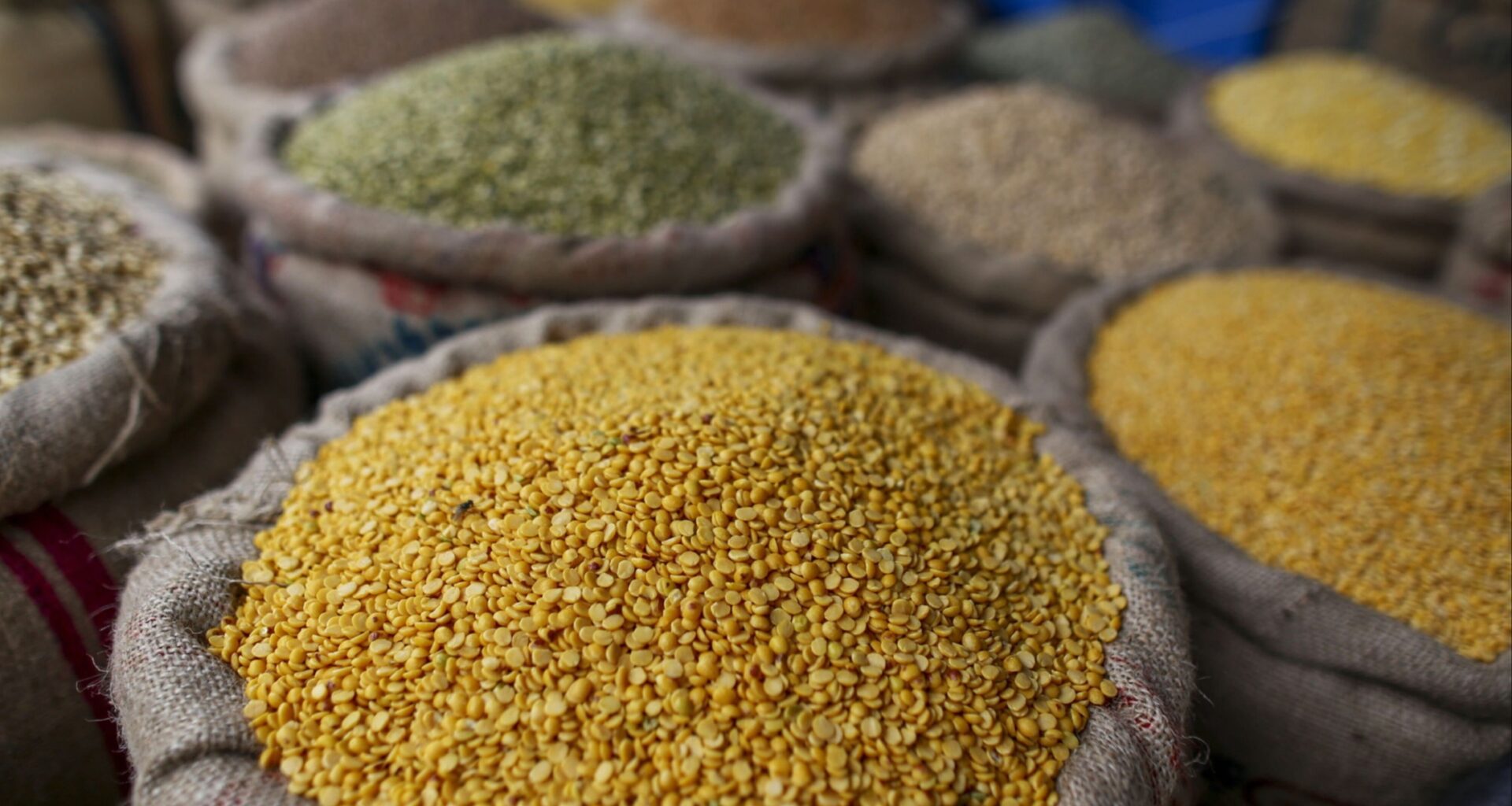
The report projects a 2.3 times growth in the production of legumes and pulses under a moderate policy support scenario.
With more land used to grow protein, sugar and starch crops, such as pulses and legumes for human consumption, rather than animal feed, alternative proteins could also increase Europe’s self-sufficiency.
For example, much of the soya imported into the EU is used as animal feed in the meat, dairy and egg industries. The growth model presented in the report would reduce the volume of soya imported annually to the bloc by 2.6mn tonnes in 2040 compared with 2025 amounts.
Separate data by non-profit Madre Brava shows that 88 per cent of soya cultivated in the EU is used for animal feed, as well as 62 per cent of corn and 53 per cent of pulses.
Reducing Europe’s dependence on international food markets would boost security, the Systemiq report argues.
Security of supply
Th study is published as governments consider how to ensure a reliable supply of food in a future of climate change and potential geopolitical conflict.
A UK government report published in January warned that without a significant increase in resilience in the food system and supply chain, it is “unlikely” that the country would maintain food security in the event of ecosystem collapse and geopolitical competition for food.
To support the transition to more alternative proteins, the report advises that the EU adopts co-ordinated action on regulation, infrastructure and investment. This should include EU regulators making it easier for small and medium-sized food producers to have their products approved by European safety standards.
European institutions should also support the development of greenfield sites including farm retrofits to support the industry, the report adds.
The report is available to read here.