Published on
February 1, 2026
Norway overtakes Canada, Iceland, Greenland, and Russia in attracting tourists due to its remarkable ability to combine luxury Arctic cruises, thrilling polar expeditions, and immersive northern escapes that cater to travelers seeking both adventure and comfort. With robust infrastructure for high-end travel, breathtaking natural beauty, and a commitment to sustainability, Norway has established itself as the leading destination for Arctic exploration in 2026. The country’s strategic location, innovative itineraries, and emphasis on unique, authentic experiences distinguish it from its Arctic counterparts, contributing to record-breaking tourism revenue.
Norway’s Arctic tourism boom is a direct result of its focus on offering tailored and exclusive experiences, including luxury cruise voyages that offer a front-row seat to some of the world’s most majestic landscapes. From the Northern Lights to the Lofoten Islands, and the Svalbard archipelago, Norway is presenting an Arctic journey like no other, combining adventure, comfort, and cultural depth. As the global demand for eco-conscious, slow travel experiences continues to grow, Norway is leading the way in catering to this market, proving that sustainable tourism and luxury travel can go hand in hand.
In 2026, Norway is taking the lead in attracting global tourists to the Arctic, outpacing Canada, Iceland, Greenland, and Russia. This surge is driven by the country’s extraordinary luxe Arctic cruises, immersive polar expeditions, and alluring northern escapes that offer travelers an unmatched combination of adventure, luxury, and natural beauty. These experiences, unique to the region, are pushing tourism revenue to record-breaking heights and positioning Norway as the premier destination for Arctic exploration. In this article, we’ll explore how Norway is outshining its Arctic neighbors, offering exclusive travel opportunities in 2026.
Norway: The Ultimate Arctic Gateway
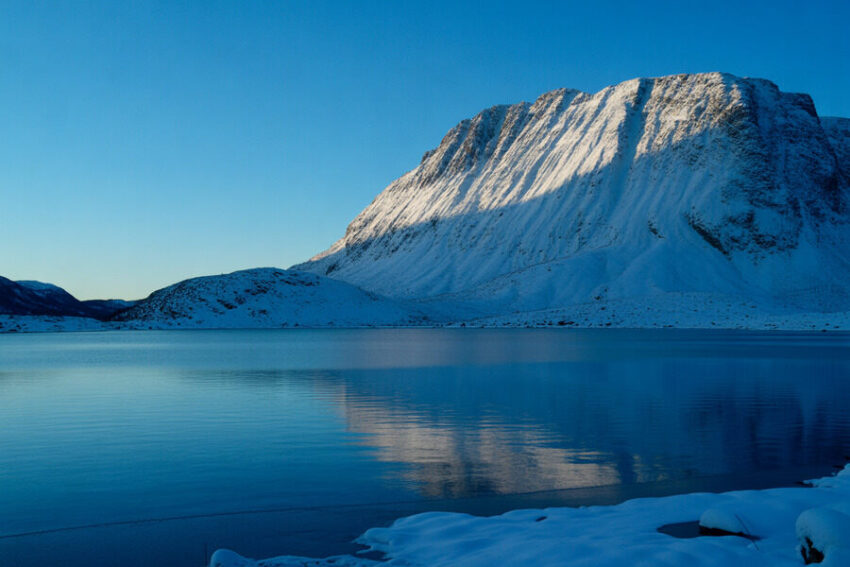
Norway’s dominance in Arctic tourism comes as no surprise, as it has long been a top choice for tourists seeking a combination of luxury cruises and adventurous expeditions. With its vast coastlines, iconic fjords, and proximity to the Arctic Circle, Norway has become the epicenter for travelers looking to explore the pristine wilderness of the north.
Luxury Arctic Cruises
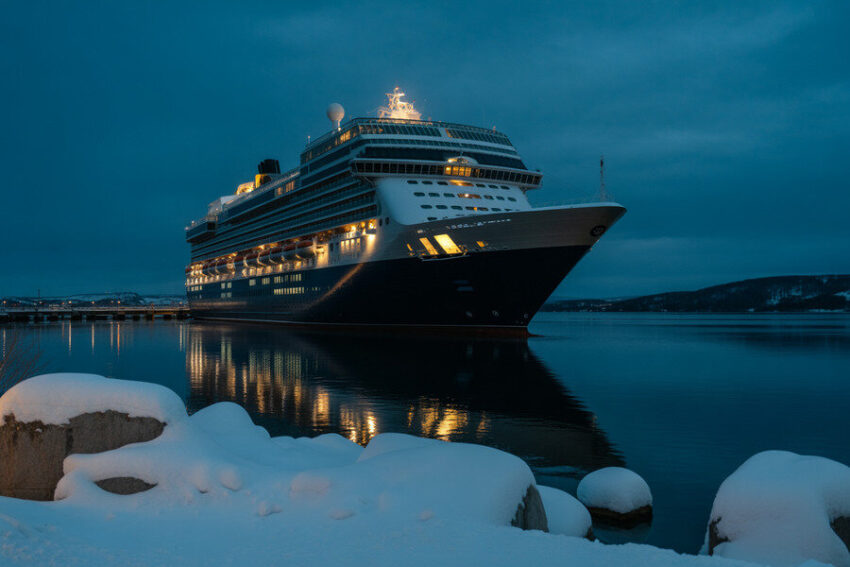
The Norwegian coast is a sanctuary for luxury expedition cruises, with companies like Hurtigruten leading the way in offering high-end experiences to some of the most remote and picturesque locations in the Arctic. In 2026, Hurtigruten’s Grand Nordic Adventure promises an unparalleled 19-day journey that begins in Finland and travels through Norway’s spectacular coastal waters before culminating in a six-day exploration of Iceland.
These luxury cruises are designed to offer travelers relaxing comfort while taking in the breathtaking scenery of the Arctic. From Tromsø’s northern lights to the Lofoten Islands’ scenic beauty, these cruises provide intimate views of nature and wildlife. Travelers can expect gourmet dining, all-inclusive packages, and professional guides leading them through experiences like whale watching, midnight sun sightings, and Sami cultural encounters.
Advertisement
Advertisement
Norway’s focus on high-end Arctic cruises in 2026 is propelling the country’s tourism revenue, especially as North American and European tourists flock to its shores for authentic Arctic experiences.
Canada: A Polar Bear’s Paradise
While Norway takes the lead, Canada remains a major player in Arctic tourism. With Nunavut and the Canadian Arctic Archipelago offering some of the most remote and untouched natural landscapes, Canada attracts tourists looking for rugged adventure and wildlife encounters. The Hudson Bay region, in particular, is renowned for polar bear viewing, and is a highlight for those on long Arctic expeditions.
Arctic Expeditions
In 2026, Canada’s polar bear watching tours are expected to remain a top attraction. Several cruise lines, such as One Ocean Expeditions, offer Northwest Passage cruises that provide an up-close look at these magnificent creatures. However, it is the journey to the polar bears and remote villages of Canada’s north that make this destination unforgettable.
Despite being a strong contender, Canada’s Arctic tourism faces challenges, such as limited accessibility to some of its more remote regions and a shorter tourism season. However, luxury expedition cruises that connect Canada’s Arctic with Greenland and Iceland are driving tourism growth in 2026.
Iceland: A Rising Star in Arctic Cruises
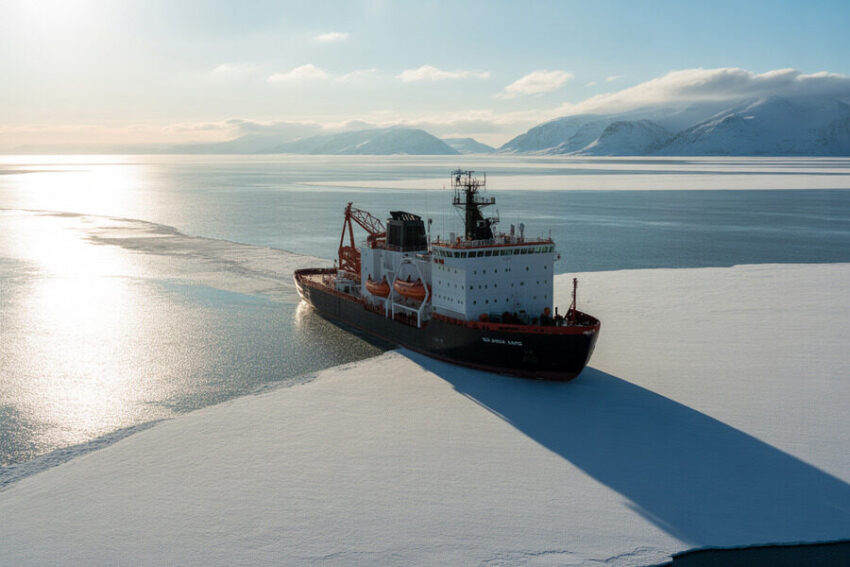
Iceland, once known primarily for its geothermal beauty, is rapidly emerging as a key Arctic destination for cruises. In 2026, the country’s inclusion in multi-destination Arctic itineraries is expected to further solidify its position in the global tourism spotlight.
Iceland’s Unique Offerings
Iceland offers tourists a captivating blend of geological wonders, natural hot springs, and rugged landscapes, which make it a sought-after stop for Arctic cruise travelers. The Blue Lagoon, Gullfoss Waterfall, and Þingvellir National Park — a UNESCO World Heritage Site — provide visitors with awe-inspiring views that connect Iceland’s rich cultural heritage with its pristine natural beauty.
The Hurtigruten Grand Nordic Adventure, which includes a six-day Icelandic exploration, is a key player in promoting Iceland’s appeal to luxury cruise enthusiasts. In 2026, Iceland’s tourism revenue will likely rise as more cruise ships dock in Reykjavik, offering an immersive experience of the country’s natural wonders.
Sustainability and Wellness Tourism
Iceland is also leading the way in promoting sustainable tourism. The country’s wellness tourism, especially centered around the Blue Lagoon, is another key factor in its growing appeal. These types of experiences not only attract luxury travelers but also those interested in health and wellness, further boosting Iceland’s tourism revenue.
Greenland: Remote, Rugged, and Rewarding
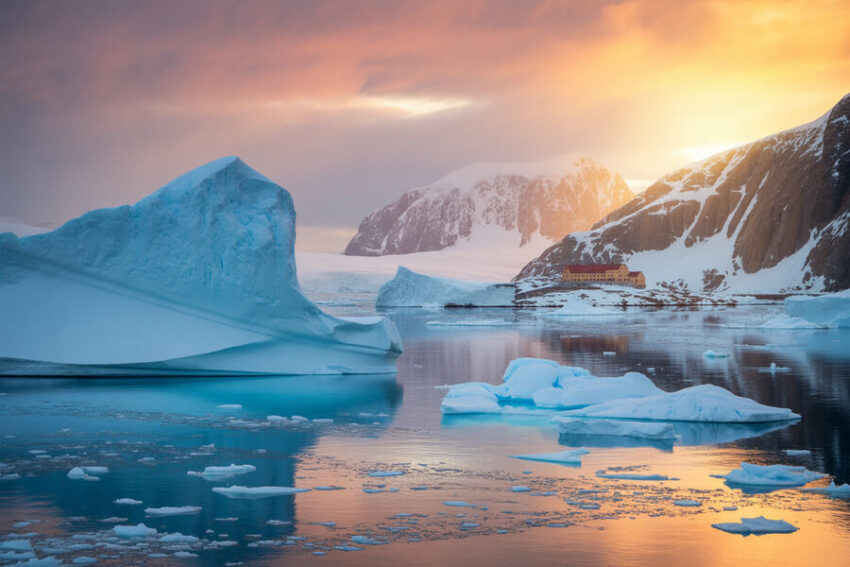
Greenland is one of the most mysterious and remote destinations in the Arctic. Despite its geographical challenges, the country is making strides in attracting more adventurous tourists looking for polar exploration.
Arctic Wilderness and Eco‑Tourism
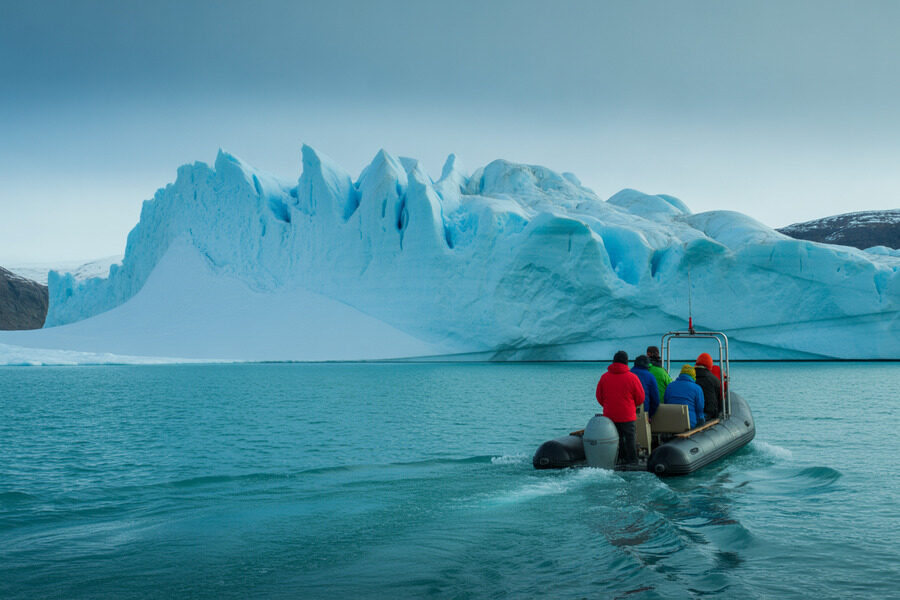
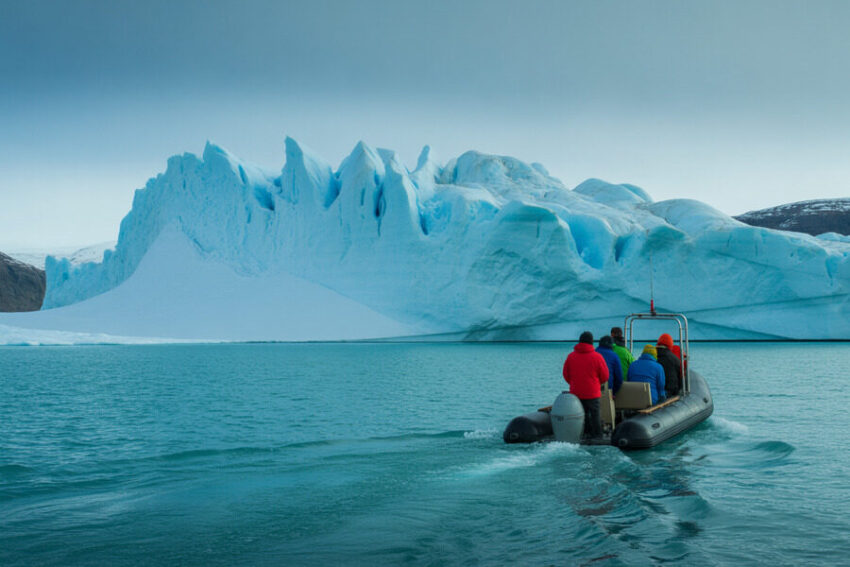
Greenland offers some of the most untouched wilderness in the world, including majestic icebergs, glaciers, and rugged coastlines. Cruise lines are increasingly offering expedition-style cruises through the Scoresby Sund and the Eastern Greenland coast, which are known for their breathtaking ice fjords and pristine environments.
In 2026, Greenland’s tourism revenue is set to rise as travelers seek eco-conscious expeditions, with tours focusing on wildlife viewing, sustainable travel, and polar exploration. The growing interest in Greenland as an Arctic destination will continue to fuel the country’s tourism growth, particularly as small expedition vessels gain popularity among eco-conscious tourists.
Russia: A Polar Gateway with Potential
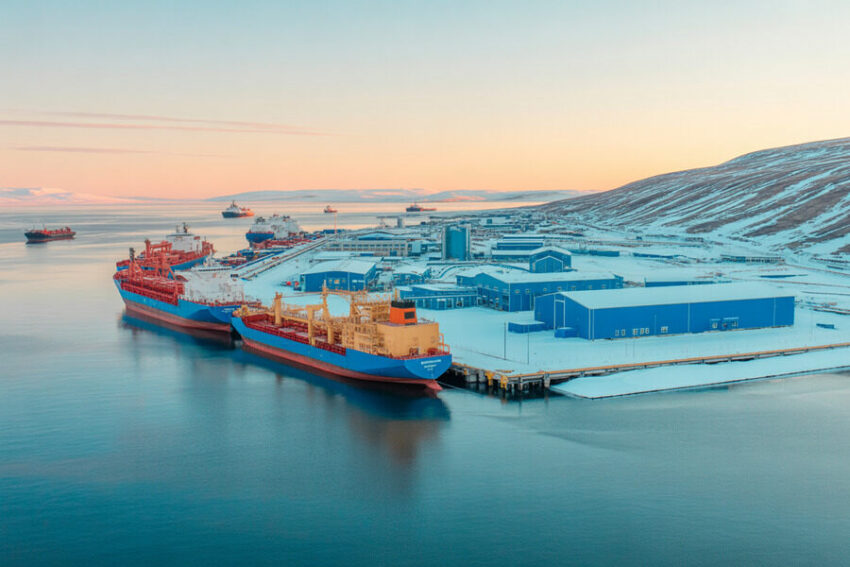
Russia remains an enigma for Arctic cruise enthusiasts, with its polar territories like Murmansk and the Russian Arctic coast providing access to some of the most isolated and pristine regions on Earth. While Russia has not yet fully capitalized on Arctic tourism like Norway, its Arctic coastline is gaining attention among adventure seekers and scientific expeditions.
Russia’s Arctic Expansion
In 2026, Russia’s Arctic tourism is set to grow, with increasing interest in Kara Sea and Franz Josef Land. However, visa restrictions, geopolitical tensions, and limited infrastructure have historically hindered large-scale commercial tourism.
Nevertheless, Russian Arctic expeditions are becoming more popular for remote adventure tours and scientific exploration, and luxury cruise lines are beginning to include Russian Arctic ports in multi-country itineraries, such as those traveling from Norway through Svalbard.
Norway’s Advantage: Why It Leads Arctic Tourism
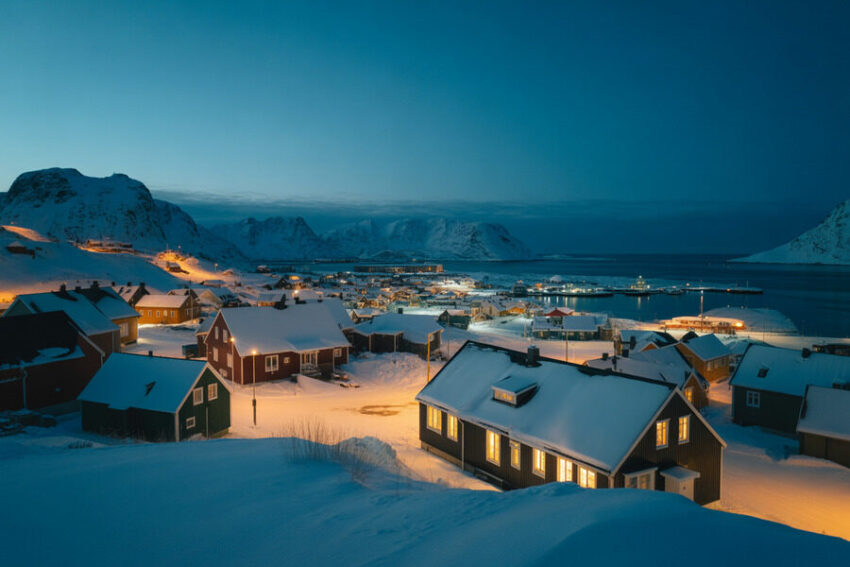
Norway’s dominance in the Arctic tourism industry is attributed to several key factors that have enabled it to outpace its competitors:
Accessibility: Norway’s proximity to major international airports and major cruise hubs in Bergen, Tromsø, and Oslo makes it an easily accessible entry point for tourists looking to explore the Arctic.Infrastructure: Norway has invested heavily in sustainable tourism infrastructure, ensuring that visitors have access to luxury cruise ships, adventure tours, and ecotourism experiences.Diverse Offerings: From Northern Lights cruises to Sami cultural experiences, Norway offers a wide range of activities for tourists seeking both luxury and adventure.Sustainability: Norway’s emphasis on sustainable tourism practices, including eco-friendly cruises and responsible wildlife tourism, aligns with global travelers’ growing demand for conscious tourism.The Future of Arctic Tourism in 2026 and Beyond
As 2026 unfolds, Norway continues to lead the way in Arctic tourism, but its competitors — Canada, Iceland, Greenland, and Russia — are all working hard to carve out their niches. With luxury expeditions, sustainable practices, and immersive experiences becoming increasingly important to tourists, these destinations are well on their way to capturing significant shares of the global Arctic tourism market.
As the world turns its attention to the Arctic region, Norway’s combination of rugged beauty, luxury amenities, and immersive cultural experiences sets it apart. Canada, Iceland, Greenland, and Russia will continue to contribute to Arctic tourism, but Norway’s leadership and innovative offerings will keep it at the forefront of the Arctic adventure tourism boom.
As the Arctic tourism industry continues to expand, Norway stands as the clear leader, outpacing Canada, Iceland, Greenland, and Russia with its exceptional combination of luxury cruises, polar expeditions, and sustainable tourism practices. Norway’s well-established infrastructure, strategic location, and diverse Arctic offerings — from Northern Lights cruises to Sami cultural encounters — make it the premier destination for global travelers seeking an authentic Arctic adventure in 2026.
While the other Arctic nations are also making strides in their own right, Norway’s ability to integrate high-end experiences with immersive exploration has set the bar for the industry. The Grand Nordic Adventure, which incorporates Norway, Finland, and Iceland, is just one example of how the country is paving the way for multi-destination Arctic travel, offering a holistic approach to exploring the north.
Norway overtakes Canada, Iceland, Greenland, and Russia in magnetizing tourists due to its perfect blend of luxury Arctic cruises, exciting polar expeditions, and sustainable tourism that appeals to adventure-seekers and eco-conscious travelers alike. Its strategic positioning, stunning landscapes, and premium offerings have made Norway the premier Arctic destination in 2026, driving record tourism revenue.
Looking ahead, Norway is positioned not just as a leader, but as the heartbeat of Arctic tourism. Its focus on sustainable, high-value tourism is not only driving economic growth but also creating meaningful connections between travelers and the land. As 2026 unfolds, Norway’s Arctic tourism sector will likely continue to flourish, reinforcing its role as the gateway to one of the planet’s most awe-inspiring and untouched regions.
