Published on
February 1, 2026
The China-Malta Tourism Cooperation and Exchange Conference, which took place on January 16, 2026, at the China Cultural Centre in Malta, represented an important step forward in improving tourism cooperation between the two countries. The conference, which was hosted by the Embassy of the People’s Republic of China in Malta and the China Cultural Centre, saw the attendance of major stakeholders in the tourism industry in Malta, including government representatives, tourism organizations, hotels, airlines, travel agencies, and other stakeholders. The conference was an opportunity for discussion and planning aimed at improving tourism cooperation between China and Malta.
Strengthening Bilateral Tourism Cooperation
The conference was the first of its kind in recent years, providing a unique opportunity for industry leaders from both China and Malta to engage in productive discussions aimed at fostering mutual growth in the tourism sector. The event focused on enhancing bilateral tourism links and exploring new avenues for collaboration, particularly given the growing interest in each other’s markets.
With tourism being a key pillar of Malta’s Vision 2050, the conference highlighted the potential for further cooperation between the two countries. The discussions emphasized the importance of tourism in promoting mutual understanding and cultural exchange, which are central to the long-term relationship between China and Malta.
China’s Tourism Commitment and Malta’s Strategic Vision
The conference underscored the strong foundation of tourism cooperation between China and Malta, which has been continuously strengthened over the years. The Chinese government’s commitment to the development of its tourism sector, as outlined in its 15th Five-Year Plan, aligns well with Malta’s tourism objectives. This alignment provides a clear roadmap for future collaboration, as both countries recognize the importance of tourism as a driver of economic growth, cultural exchange, and people-to-people connectivity.
In addition to emphasizing China’s tourism goals, the event also explored how these objectives could be integrated with Malta’s own strategic vision. Malta’s Vision 2050 places significant emphasis on tourism as a key pillar of its economic development. As a result, the conference served as a practical platform for both countries to align their efforts, explore synergies, and identify opportunities to further develop tourism flows between China and Malta.
Malta’s Growing Popularity Among Chinese Tourists
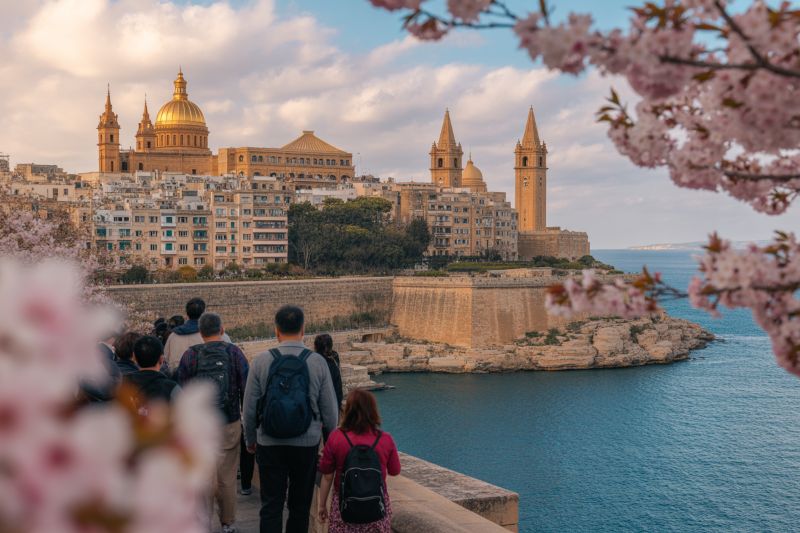
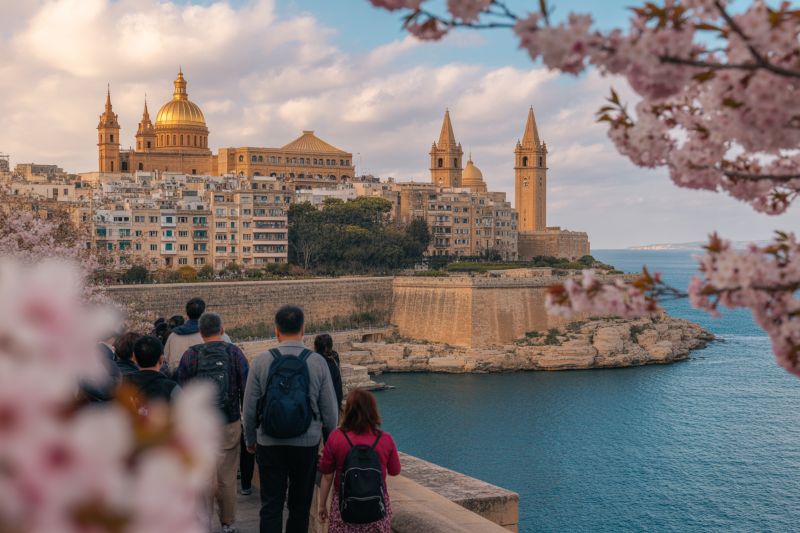
One of the key highlights of the conference was the recognition of Malta’s increasing visibility among Chinese travelers. With a growing number of Chinese tourists visiting Malta each year, the country is positioning itself as an attractive destination for travelers seeking a blend of rich history, cultural experiences, and Mediterranean charm.
Advertisement
Advertisement
Malta’s tourism authorities have made significant strides in making the country more accessible to Chinese tourists. This includes partnerships with travel agencies, airlines, and other stakeholders to promote Malta as a premier destination for Chinese visitors. Recent initiatives, such as joint promotional campaigns and the easing of visa requirements, have made it easier for Chinese tourists to visit Malta, further fueling the demand for travel to the island.
As Malta continues to gain popularity in the Chinese market, the tourism sector is benefiting from the influx of Chinese visitors, who are increasingly seeking unique cultural experiences, luxury travel options, and historical sightseeing. The conference provided a timely opportunity to further build on this momentum and ensure that Malta is positioned as a top choice for Chinese travelers.
Visa Facilitation and Travel Convenience
The conference also highlighted key developments in visa facilitation that have improved travel convenience for both Chinese and Maltese tourists. China’s new visa policies, which streamline the application process and reduce wait times, were discussed as a way to further encourage travel between the two countries.
By making travel easier and more accessible, these visa facilitation measures are expected to lead to an increase in tourist arrivals, with both countries benefiting from the enhanced ease of travel. For Chinese visitors to Malta, these improvements will provide greater convenience when planning their trips, while for Maltese tourists visiting China, the process will be equally simplified.
These measures reflect the growing importance of tourism as a bridge between China and Malta, reinforcing the two countries’ shared commitment to making travel between them as seamless as possible.
Technological Innovations and the Future of Tourism
As part of the conference, attendees were introduced to China’s innovative tourism technologies, which are playing an increasingly important role in shaping the future of travel. One such innovation is the “Nihao China” app, China’s official national tourism promotion platform. The app provides users with a wealth of travel information, booking services, and cultural experiences, all accessible through a single QR code. The app aims to make the travel experience more convenient and engaging for tourists, enhancing their overall experience in both China and Malta.
The introduction of the Nihao China app reflects the growing trend of digitalization in the tourism industry, where technology is being leveraged to improve the efficiency of services and make travel more enjoyable for tourists. By offering a comprehensive platform for Chinese travelers, the app plays a crucial role in helping tourists plan their trips, discover attractions, and access services, ultimately contributing to the growth of tourism flows between China and Malta.
Cultural Exchange and Tourism Promotion
The conference also showcased elements of Chinese culture through a series of presentations, including a screening of a Chinese tourism promotional video, a pipa performance, and a Hanfu fashion show. These cultural demonstrations provided attendees with an immersive experience of China’s rich heritage, offering insights into the country’s diverse traditions and history.
The inclusion of these cultural performances further emphasized the role of cultural exchange in tourism promotion. As both China and Malta continue to engage in mutually beneficial collaborations, the integration of cultural experiences into tourism marketing strategies will help attract a wider range of tourists interested in exploring both countries’ unique histories and cultural offerings.
The Path Forward: Expanding Tourism Cooperation
The China-Malta Tourism Cooperation and Exchange Conference marked a significant step towards deepening tourism relations between the two countries. By bringing together key stakeholders from both sides, the conference provided an opportunity to discuss strategies for growth, explore new avenues for collaboration, and strengthen the bilateral tourism partnership.
With both China and Malta committed to enhancing tourism cooperation, the future of bilateral travel looks promising. The focus on streamlining travel processes, promoting cultural exchange, and leveraging technology to improve the visitor experience will ensure that both countries continue to benefit from increased tourism flows. As a result, travelers from China will have greater access to Malta’s rich cultural and historical offerings, while Maltese visitors will also have more opportunities to explore China’s vast cultural landscape.
Strengthening Bilateral Tourism Ties: China and Malta Forge a Promising Path Forward
The China-Malta Tourism Cooperation and Exchange Conference showcased the increasing cooperation between the two countries in the tourism industry. With the aim of improving travel facilitation, cultural exchange, and the use of technological innovations, both countries are poised to improve their tourism cooperation in the coming years. With the increasing size of China’s outbound tourism market, Malta is expected to become a popular destination for Chinese tourists in the coming years due to its unique cultural and historical offerings.
