
Published on
February 1, 2026

Luxembourg has joined Greece, Spain, Italy, France, Iceland, and others in pushing Europe to welcome over fifty percent of international tourists across the globe last year. This achievement highlights Europe’s enduring appeal, driven by its rich cultural heritage, iconic landmarks, and diverse attractions. Countries like France, with its historic cities, art, cuisine, and landscapes, continue to captivate travelers, while destinations like Greece and Italy draw visitors with their ancient history and Mediterranean charm. The combination of well-established tourism infrastructures, unique experiences, and targeted marketing campaigns has allowed Europe to maintain its dominance in global tourism.
Global Tourism Breakdown by Region
The global tourism landscape is shaped by varying levels of interest and travel demand from different regions. According to recent data, Europe remains the dominant region for international tourism, accounting for 52% of global tourism arrivals. This reflects Europe’s rich cultural heritage, historic cities, and diverse attractions that continue to draw travelers from around the world. The Asia Pacific region follows with 22%, driven by countries like Japan, China, and Thailand, which are major destinations for both leisure and business travelers. The Americas account for 14%, with the United States and Latin American countries like Brazil and Mexico being key players in this segment. The Middle East (ME) holds a 7% share, with destinations like the UAE and Saudi Arabia continuing to attract visitors for both business and leisure. Africa, while contributing 5% of global tourism, is steadily growing, thanks to its unique natural landscapes, wildlife, and emerging tourism markets. These percentages highlight the diverse nature of global tourism and the need for countries to strategically market themselves to attract more visitors.
RegionPercentage ShareEurope52%Asia Pacific22%Americas14%Middle East (ME)7%Africa5%Luxembourg: A Small Gem with Big Tourism Gains

Luxembourg experienced an 8.6% growth in tourist arrivals from January to October 2025, according to UN Tourism. As one of Europe’s smallest countries, Luxembourg might not always be at the forefront of travelers’ minds, but its unique charm and high quality of life make it a standout destination. Known for its picturesque landscapes, medieval castles, and vibrant cultural festivals, Luxembourg offers travelers an intimate yet rich European experience. The country’s compact size allows tourists to explore everything from its UNESCO World Heritage Sites, like the Old City of Luxembourg, to its lush Ardennes forests in just a few days. Luxembourg’s commitment to sustainability and eco-tourism, along with its excellent infrastructure, has made it increasingly popular with travelers looking for a quieter, more relaxed alternative to larger European capitals. The growth in 2025 is also attributed to Luxembourg’s rising visibility in Europe, with more international tourists discovering its offerings, from delicious cuisine to cultural events. With its strategic location in the heart of Europe, Luxembourg is an attractive stop for those exploring neighboring countries.
France: A Strong Surge in European Tourism

According to UN Tourism, France saw a remarkable 7.8% growth in tourist arrivals from January to October 2025. As one of the world’s top tourist destinations, France continues to captivate millions of visitors with its unparalleled charm, culture, and history. The allure of Paris, with its iconic landmarks like the Eiffel Tower and the Louvre, along with the wine regions, picturesque countryside, and the French Riviera, played a significant role in the boost in tourism numbers. Additionally, France’s ability to host major events, such as fashion weeks and cultural festivals, further strengthened its appeal. This growth in tourism comes on the heels of the country’s efforts to recover from the pandemic’s effects, with improved travel conditions and favorable exchange rates making it more accessible to international visitors. As a leading European destination, France has remained competitive through targeted marketing campaigns, offering unique cultural experiences and seasonal events that keep tourists coming back year after year. The steady growth in 2025 reinforces France’s continued prominence in European tourism and its commitment to fostering long-term growth.
Greece: Sun, Sea, and a Strong Tourism Performance

Greece saw a 4.4% increase in tourist arrivals from January to October 2025, according to UN Tourism. The country’s combination of ancient history, vibrant culture, and stunning landscapes continues to draw visitors from around the world. Greece’s islands, such as Santorini, Mykonos, and Crete, remain highly sought-after, offering idyllic beaches, historic sites, and unique local experiences. Beyond the islands, the allure of Athens, with its archaeological wonders like the Acropolis, and the rich Greek mythology, creates an immersive experience for tourists. The Greek government’s push for sustainable tourism, coupled with improved infrastructure and affordable travel options, has made the country even more attractive. The 2025 growth is largely driven by the country’s ability to adapt to changing travel trends, offering everything from eco-friendly travel packages to cultural experiences. Greece’s welcoming hospitality and thriving food scene, along with the popularity of Mediterranean cuisine, have also played an important role in attracting travelers. The consistent growth demonstrates Greece’s successful positioning as one of Europe’s premier travel destinations.
Spain: A Constant Favorite with a Growing Appeal
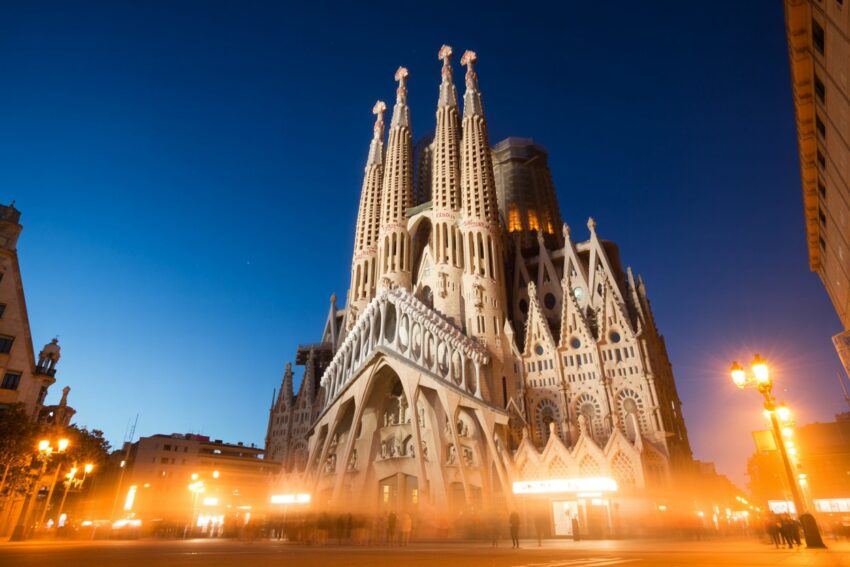
Spain experienced a solid 3.4% increase in tourist arrivals from January to October 2025, according to UN Tourism. Known for its lively culture, stunning architecture, and rich history, Spain remains one of the top destinations in Europe. Cities like Barcelona, Madrid, and Seville continue to capture the hearts of millions with their unique blend of tradition and modernity. Spain’s beaches, particularly on the Costa Brava and Costa del Sol, along with its world-renowned festivals, like La Tomatina and Running of the Bulls, create an irresistible draw for tourists. Spain’s growth can also be attributed to its diverse offerings—from its vibrant nightlife to the historical sites of Toledo and Granada. The country’s continued investments in sustainable tourism practices and infrastructure improvements have made it more accessible to a broader range of travelers. Spain’s emphasis on gastronomy, with its tapas culture and Michelin-starred restaurants, further enhances its appeal. With its excellent weather, welcoming locals, and rich cultural experiences, Spain has proven itself as a reliable and enticing European travel destination.
Advertisement
Advertisement
Italy: A Cultural Renaissance Fuels Tourism Growth
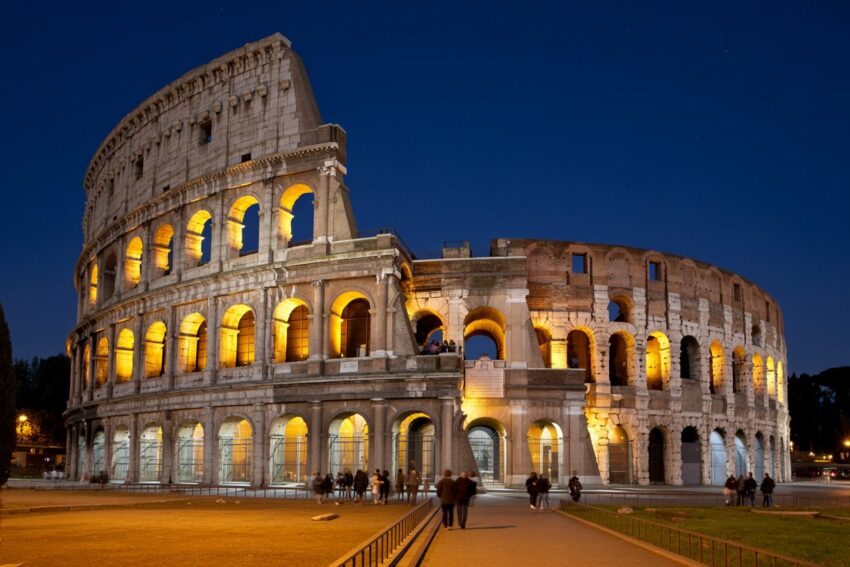
UN Tourism reported an impressive 8.8% growth in tourist arrivals to Italy from January to October 2025. Italy, with its rich history, art, and cuisine, remains a timeless favorite for tourists worldwide. The allure of Rome’s ancient ruins, Venice’s canals, and Florence’s Renaissance art continues to draw millions of travelers each year. Italy’s ability to attract tourists goes beyond just its cities; its stunning countryside, wine regions, and coastal areas like the Amalfi Coast are equally popular. Italy’s growth in 2025 reflects a resurgence of travel demand, bolstered by the country’s commitment to preserving its cultural heritage while adapting to modern tourist needs. The increase in arrivals is also attributed to Italy’s diverse tourism offerings—whether it’s exploring vineyards in Tuscany, enjoying the Mediterranean beaches, or indulging in world-class fashion and shopping in Milan. Italy’s well-established brand as a leader in global tourism, combined with high-quality travel services and strategic marketing campaigns, continues to make it a must-visit destination for travelers worldwide. This strong performance in 2025 demonstrates Italy’s continued dominance in European tourism.
Iceland: A Record-Breaking Surge in Tourism

Iceland saw an astounding 28.9% growth in tourist arrivals from January to October 2025, according to UN Tourism, marking it as one of the top performers in European tourism. Iceland’s dramatic landscapes, including volcanoes, glaciers, geysers, and hot springs, have long made it an irresistible destination for adventurers and nature lovers. The rise in tourism can be attributed to the country’s increasing popularity as a bucket-list destination for travelers seeking unique natural beauty and outdoor experiences. Iceland’s commitment to sustainable tourism, such as eco-friendly accommodations and low-impact travel options, aligns perfectly with modern travelers’ desires for more responsible travel. The country’s proximity to major European cities and relatively easy access from North America also contribute to its success. With marketing campaigns targeting adventure tourism, wellness retreats, and the chance to witness the Northern Lights, Iceland has become a year-round destination. The 2025 growth reflects a shift toward nature-focused travel and the increasing global trend toward sustainability. Iceland’s tourism boom is a testament to its successful positioning as one of Europe’s most coveted destinations.
Advertisement
Advertisement
Luxembourg has joined Greece, Spain, Italy, France, Iceland, and others in pushing Europe to welcome over fifty percent of international tourists globally last year. Europe’s rich culture, historic landmarks, and diverse attractions continue to draw travelers worldwide.
Conclusion
Luxembourg has joined Greece, Spain, Italy, France, Iceland, and others in pushing Europe to welcome over fifty percent of international tourists across the globe last year. This remarkable achievement reflects Europe’s enduring appeal, driven by its rich cultural heritage, iconic landmarks, and diverse offerings. The region’s strong tourism infrastructure, combined with its ability to offer unique experiences, continues to attract travelers from all corners of the world. Europe’s dominance in international tourism remains unmatched, showcasing its central role in the global tourism industry.
