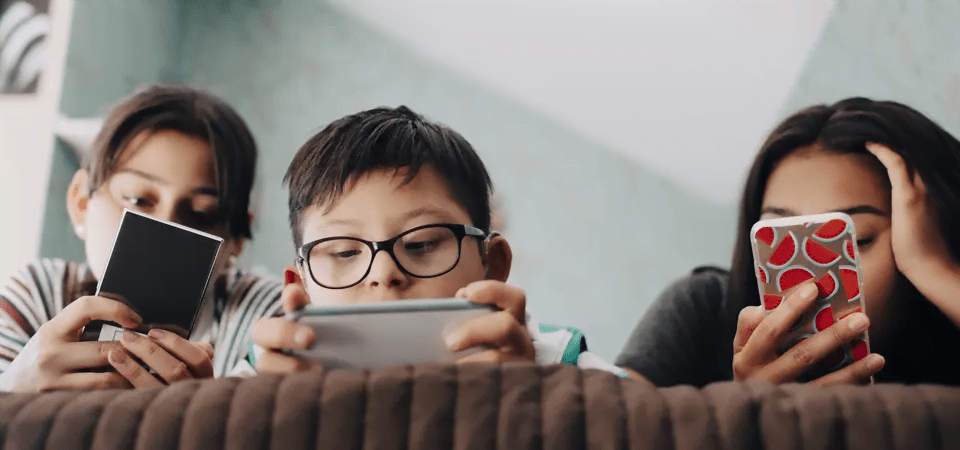

Finland is considering restrictions on children’s access to social media platforms, drawing inspiration from Australia’s recently introduced ban, as concerns grow over the impact of digital platforms on young people. Similar debates are also beginning to emerge in parts of Southeast Asia, where governments are reassessing what some describe as a largely unregulated digital environment.
Finnish Prime Minister Petteri Orpo has said he supports banning or restricting the use of social media by children under the age of 15. His position is backed by Finland’s public health authority, Finnish Institute for Health and Welfare (THL), and by public opinion. According to a recent survey, around two-thirds of Finns support a ban on social media use for under-15s, marking a significant increase compared with last summer.
The debate follows recent changes in Finland’s school regulations. Since August last year, schools have been allowed to restrict or ban the use of mobile phones during school hours. At the Finnish International School of Tampere, pupils are not allowed to use phones during breaks, a move the school says has led to increased physical activity and social interaction among students.
“I am deeply concerned about the lack of physical activity among children and young people, and the fact that it is increasing,” Orpo said earlier this month when commenting on possible further restrictions.
“Uncontrolled human experiment”
Concerns about the effects of social media on children have been highlighted by Finnish researcher Silja Kosola, who has described widespread social media use among minors as an “uncontrolled human experiment”.
Kosola, an associate professor of adolescent medicine, has pointed to rising levels of self-harm and eating disorders among young people, as well as growing value differences between boys and girls. She has also noted that Finnish children are among the youngest in the world to receive smartphones, a factor she says may have intensified the impact of social media.
Australia as a reference point
Much of the current debate in Finland has been shaped by developments in Australia. Since 10 December last year, children under the age of 16 have been banned from using major social media platforms including TikTok, Snapchat, Facebook, Instagram and YouTube.
Australian Prime Minister Anthony Albanese has said the legislation aims to shift responsibility away from parents and onto social media companies, which can face substantial fines if they fail to prevent underage access. The law was introduced following growing concerns about the role of social media in children’s mental health.
Australian media have reported mixed reactions in the early weeks of implementation, with some parents expressing relief, while others have raised questions about enforcement and children migrating to lesser-known platforms.
Caution and education
Observers have also warned against simply copying the Australian model. Australian-born Helsinki resident Seona Candy has cautioned that children may move to alternative platforms that lack parental controls if access to mainstream services is blocked.
She and others have argued that Finland should prioritise digital education and media literacy, areas in which the country already has a strong international reputation.
Broader implications
Beyond Europe and Australia, the debate is being closely watched in Southeast Asia, where smartphone use among children is widespread and regulation remains limited in many countries. While no ASEAN country has introduced a comparable ban, officials and policymakers in the region have increasingly raised concerns about online safety, mental health and the influence of social media on young people.
As discussions continue in Finland, the issue is increasingly seen as part of a broader international reassessment of how governments should regulate children’s access to social media platforms.
Source: yle.fi