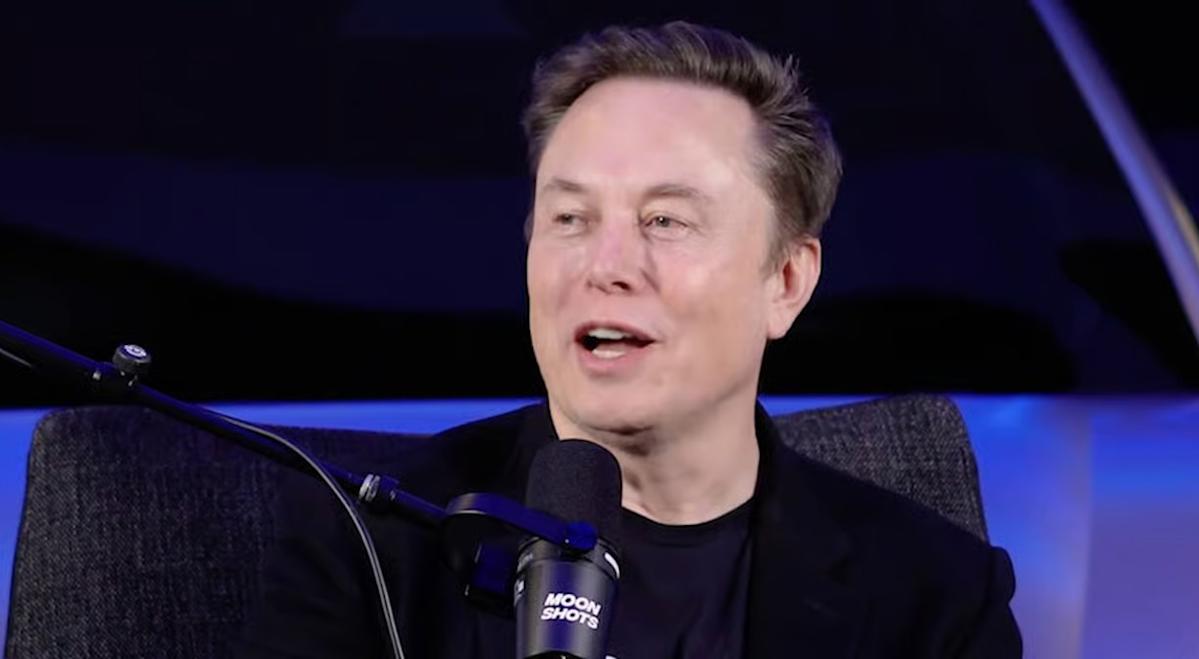

Elon Musk
Elon Musk has once again sparked debate — this time over something most people consider essential to financial security: saving for retirement.
On a recent episode of the Moonshots podcast with Peter Diamandis, Musk suggested that advances in artificial intelligence (AI), robotics and energy technology could make retirement savings “irrelevant” within the next 10 to 20 years (1). He believes these technologies will create a world of abundance, where machines do most of the work, goods and services are cheap and a “universal high income” will cover everyone’s basic needs.
It’s a bold vision, but it asks people to bet their future financial well-being on a hypothetical techno-utopia. Before you stop contributing to your Registered Retirement Savings Plan (RRSP) or Tax-Free Savings Account (TFSA) based on Musk’s forecast, a reality check is in order.
Musk’s argument depends on a very ambitious idea: technology will advance so quickly that scarcity — the thing that makes money, work and saving necessary — will fade.
In this future, AI and robotics would handle most of the labour, productivity would surge and basic goods and services would become cheaper or even free. In a scenario like that, he suggests traditional retirement planning might not matter anymore.
It’s a striking vision, but it’s also highly speculative. Musk himself admitted the transition could be “bumpy,” potentially causing social tensions or a crisis of purpose if people no longer need jobs in the traditional sense (1).
It’s crucial to note that Musk isn’t giving personal finance advice; he’s describing a theoretical future economy. But given his influence, some people may take his comments as permission to save less or skip retirement planning altogether, which could prove especially risky for younger workers who haven’t built much of a financial cushion yet.
Musk may be imagining a future without financial scarcity, but today’s reality looks very different from his vision. Most people don’t have billion-dollar cushions to fall back on if that future never arrives. And in Canada, retirement savings are already falling short.