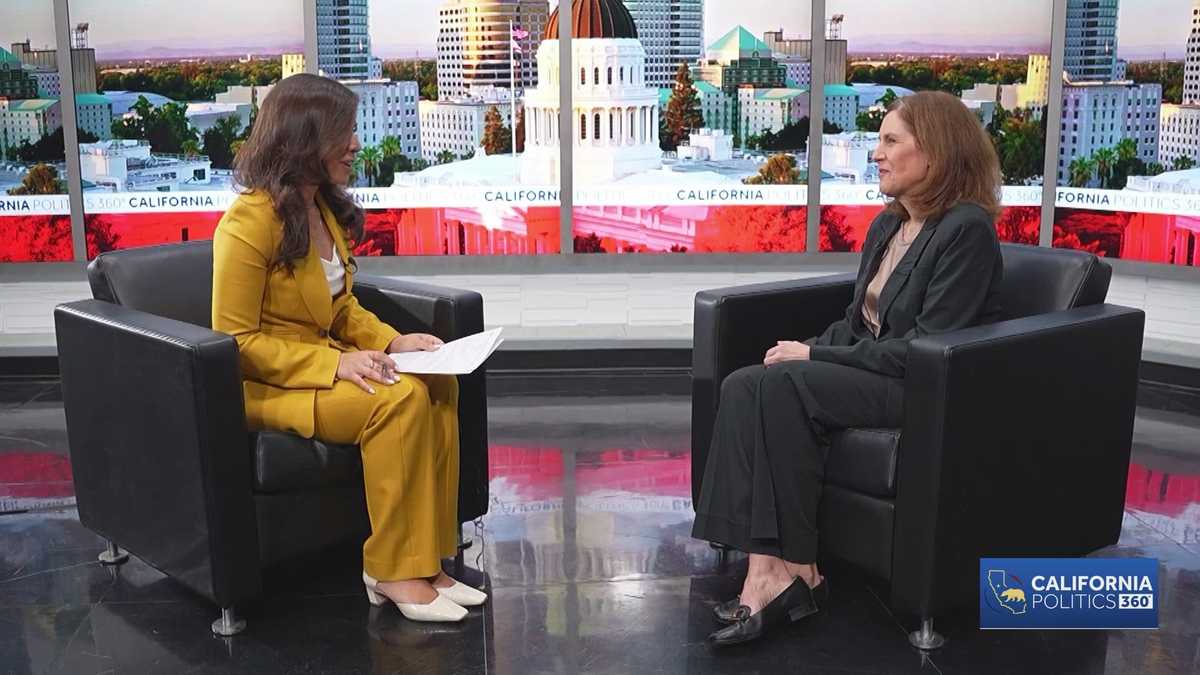
California failed to save Valero, Western States Petroleum Association CEO says | California Politics 360
All right, joining us now is Jody Muller with the Western States Petroleum Association. Jody, we really appreciate your time. Thank you so much for having me. So Jody, I want to start with the Valero facility. Governor Gavin Newsom has said that that refinery in Venetia is expected to sit idly, and his office seems to interpret that as that there’s *** chance that production could begin again at some point. I mean, is that, is that how you see it right now? That is not my understanding, really. The state failed to save Valero. And it’s unfortunate because they do represent *** market share here in California that we could use demand is not going down. Uh, in terms of even sitting idly, I mean, what would it take to get *** facility back up and running if there was even the slightest chance? I know you’re saying there’s not, but just what would restarting an idle facility look like? In talking to my members, it is *** very complicated process and once something is shut down, restarting it, it’s not like flipping *** switch, so it would take *** large amount of time. Effort, money, and finding the workforce because the workforce is now going to find other jobs and go out and you know look elsewhere so it, it’s very complicated and the supply into the refinery would have to be restarted, you know, so there are *** lot of logistical challenges to making that happen. More than 90% of the cars registered in California still rely on gas in some form, and with the idling of the Valero facility with the shutdown now of Phillips 66, what does this mean for gas prices and the cost of goods overall in this state moving forward? It’s concerning. Consumers should be very concerned. We are concerned. The demand, the most recent statistics I’ve seen on demand is it’s gone down about 1% every year for the last 5 years, so not much. Yet we are now impacting the supply, and it is *** very tight balance that we have in this market, um, you know, the economics of it, it really truly is supply and demand, so we are now taking away some of that supply and it seems that the state is looking more and more toward an import model which is very risky, risky why? If there’s any type of disruption along that supply chain, it could have dramatic effects and be *** supply crunch in terms of like an international situation, any kind of war or right, absolutely any geopolitical issue that that pops up, um, you’re just leaving your energy supply up to others whether that’s another state or another country. With the governor, I think right now in his office has pointed this out that gas prices are fairly low compared to, I think what they have described as fear mongering around what some of these policies would entail this year, but really we haven’t seen those impacts. What would be your response to that? We’ve been very lucky that there haven’t been any disruptions recently. There’s also *** very interesting dynamic going on, uh, globally with supply and demand, and again it’s just pure economics of that supply. There is an oversupply in the marketplace globally. We’re seeing *** lot of product come in from Asia that, uh, typically the transportation costs might impact that, uh, coming into our marketplace. But right now the conditions are right. The economy is going to improve. The economy is going to go back up and we won’t see those products coming into the West Coast. So it’s *** very, you know, interesting supply demand, uh, imbalance that we have right now, but it won’t last and you look at this globally as well. Yes, gas prices are down, but California is still the 2nd highest in the nation. Behind Hawaii, our neighboring states, Arizona and Nevada, are they still concerned, or is the situation right now, have they sort of settled? I think everyone’s very happy to see lower gas prices, but they are concerned because they over the last two years in particular, we’ve been having conversations to make sure they understand how dependent they are on California and the policies that are passed and how it impacts their consumers too. Uh, Republicans in the California Senate this week said the governor should call *** special session to address the closure of those two refineries. Do you, do you see this being that urgent of an issue? Is that the right move? We haven’t had much luck with special sessions the last few years. However, I think it doesn’t really matter whether it’s in the regular session, special session, however, the legislators see fit to handle this. I’m happy to see there’s some attention to it and it does need to be addressed so again, special session, regular session. We need those conversations to take place. We need experts. We need to have information flowing right. Those two special sessions that the governor did call on oil and gas did impose regulations on the industry, and the legislature went along with it. I know you’re new in this role as the president of the Western States Petroleum Association, but are you getting the sense that there is *** shift in how these conversations are happening? Do you see lawmakers. Being more amenable to the industry right now, I’m seeing that there is *** better understanding of the situation that we’re in and the supply and demand imbalance and why it is not good for consumers in the state to have refineries leave the state so I’m seeing just kind of the general knowledge is increased. Helps with the conversations. The difficulty that we’re having is that some of the rhetoric and the conversations, the words need to match the actions, and we just had *** cap and trade or cap and invest regulation that was dropped two weeks ago. That actual policy, so the actions don’t match the words. Are there any other policies that are either in place or coming online that could exacerbate this whole situation? The biggest one right now is that cap and invest policy, and I think we have seen where it is talking about billions of dollars that could come into play not only for oil and gas but also for utilities, and I don’t think there are any consumers out there who are looking forward to having increased prices when it comes to their energy. There are many different regulations out there that also impact our industry. There is at Birth, which is *** marine, so when you’re bringing in the crude oil from. Uh, these other countries or other states, uh, that would impact the ability to actually bring that product in, uh, to the refineries to be refined. We don’t have at this time pipelines that come into the state of California bringing in crude oil to be refined, so you start looking at regulations that impact our ability to produce the products that feed the consumer demand, and it’s very concerning. OK, well, Jody Muller, we really appreciate your time. Thank you. Thank you.
California failed to save Valero, Western States Petroleum Association CEO says | California Politics 360

California is bracing for another refinery closure this year as Valero prepares to idle its facility in the Bay Area.”The state failed to save Valero,” said Jodie Muller, the new CEO of the Western States Petroleum Association, which lobbies for the oil industry at the state Capitol. The governor’s office said in a statement earlier this month it had been encouraged by talks with Valero and said discussions were ongoing on possible continued operations at the refinery. “Once something is shut down, restarting it isn’t like flipping a switch,” Muller said. “It would take a large amount of time, effort, money and finding the workforce because now the workforce is going to find other jobs and look elsewhere.” The closure will come months after Phillips 66 shuttered is Los Angeles area refinery. While California has made progress on increasing the number of electric vehicles on the road, the latest state data show about 90% of registered cars in California still rely on gas. “Consumers should be very concerned,” Muller said. The closures come after state regulators, California lawmakers and the governor passed several new rules for the oil industry. In two special sessions, state leaders set new rules for refiners around reserves and company profits. The oil industry repeatedly warned Gov. Newsom and California’s legislative leaders the state would be faced with dwindling supply and job losses if they moved forward. With the refinery closures, California leaders plan to import even more oil into the state to help with the fuel supply this year. The most recent data from the California Energy Commission in 2024 shows about 64% of its crude oil supply comes from foreign sources, such as Iraq and several countries in South America. “It’s very risky,” Muller said, noting any possible disruption of the global supply chain or geopolitical issue could have a dramatic impact on costs in California. But for now, gas prices in California are lower than usual but still the second highest in the nation. The concerns of sky-high gas prices in the state this year have not yet come to fruition. Muller said it has nothing to do with California and more to do with what’s happening with supply globally. “We’re seeing a lot of product come in from Asia and typically the transportation costs might impact coming in to our marketplace, but right now the conditions are right,” Muller said. “It won’t last.” Muller also noted updates to California’s Cap-and-Invest program could make the situation worse. The program sets a declining limit on total planet-warming emissions in the state from major polluters. The program requires companies to reduce their emissions, buy allowances from the state or other businesses, or fund projects aimed at offsetting their emissions. Updates to the program would significantly limit the number of allowances allowed between now and 2030, forcing companies to do more to limit their emissions or fund state projects. Watch the full interview with Jodie Muller in the video player above.KCRA 3 Political Director Ashley Zavala reports in-depth coverage of top California politics and policy issues. She is also the host of “California Politics 360.” Get informed each Sunday at 8:30 a.m. on KCRA 3.
California is bracing for another refinery closure this year as Valero prepares to idle its facility in the Bay Area.
“The state failed to save Valero,” said Jodie Muller, the new CEO of the Western States Petroleum Association, which lobbies for the oil industry at the state Capitol. The governor’s office said in a statement earlier this month it had been encouraged by talks with Valero and said discussions were ongoing on possible continued operations at the refinery.
“Once something is shut down, restarting it isn’t like flipping a switch,” Muller said. “It would take a large amount of time, effort, money and finding the workforce because now the workforce is going to find other jobs and look elsewhere.”
The closure will come months after Phillips 66 shuttered is Los Angeles area refinery. While California has made progress on increasing the number of electric vehicles on the road, the latest state data show about 90% of registered cars in California still rely on gas.
“Consumers should be very concerned,” Muller said.
The closures come after state regulators, California lawmakers and the governor passed several new rules for the oil industry. In two special sessions, state leaders set new rules for refiners around reserves and company profits. The oil industry repeatedly warned Gov. Newsom and California’s legislative leaders the state would be faced with dwindling supply and job losses if they moved forward.
With the refinery closures, California leaders plan to import even more oil into the state to help with the fuel supply this year. The most recent data from the California Energy Commission in 2024 shows about 64% of its crude oil supply comes from foreign sources, such as Iraq and several countries in South America.
“It’s very risky,” Muller said, noting any possible disruption of the global supply chain or geopolitical issue could have a dramatic impact on costs in California.
But for now, gas prices in California are lower than usual but still the second highest in the nation. The concerns of sky-high gas prices in the state this year have not yet come to fruition. Muller said it has nothing to do with California and more to do with what’s happening with supply globally.
“We’re seeing a lot of product come in from Asia and typically the transportation costs might impact coming in to our marketplace, but right now the conditions are right,” Muller said. “It won’t last.”
Muller also noted updates to California’s Cap-and-Invest program could make the situation worse. The program sets a declining limit on total planet-warming emissions in the state from major polluters. The program requires companies to reduce their emissions, buy allowances from the state or other businesses, or fund projects aimed at offsetting their emissions. Updates to the program would significantly limit the number of allowances allowed between now and 2030, forcing companies to do more to limit their emissions or fund state projects.
Watch the full interview with Jodie Muller in the video player above.
KCRA 3 Political Director Ashley Zavala reports in-depth coverage of top California politics and policy issues. She is also the host of “California Politics 360.” Get informed each Sunday at 8:30 a.m. on KCRA 3.