About a third of Israel’s butterfly species are threatened, with three already extinct, according to the first local Red List for insects, compiled jointly by a number of Israeli organizations.
Israel’s Red List is modeled on international lists of the same name, issued by the International Union for Conservation of Nature, to assess species health and the risk of extinction.
Out of 156 butterfly species documented in the country, 12 are critically endangered, 23 are endangered, and 22 are defined as having a threatened future. Only 63 species are defined as not at risk, and for the remaining ones, the information is insufficient to assess their status.
Among the species endangered in Israel are the Scarce Swallowtail, the Levantine Vernal Copper, the Queen of Spain fritillary, the Southern Comma, and the Steppe Large Grizzled Skipper.
According to the Red List (Hebrew), the threats to butterflies range from habitat loss resulting from construction, infrastructure development, and the conversion of open areas to agricultural ones, to the use of pesticides, which harm both butterfly larvae and the plants on which butterflies lay their eggs. Other dangers include uncontrolled grazing, invasive species, fires, light pollution, and climate change, which is bringing warmer and drier conditions and disrupting the seasons.
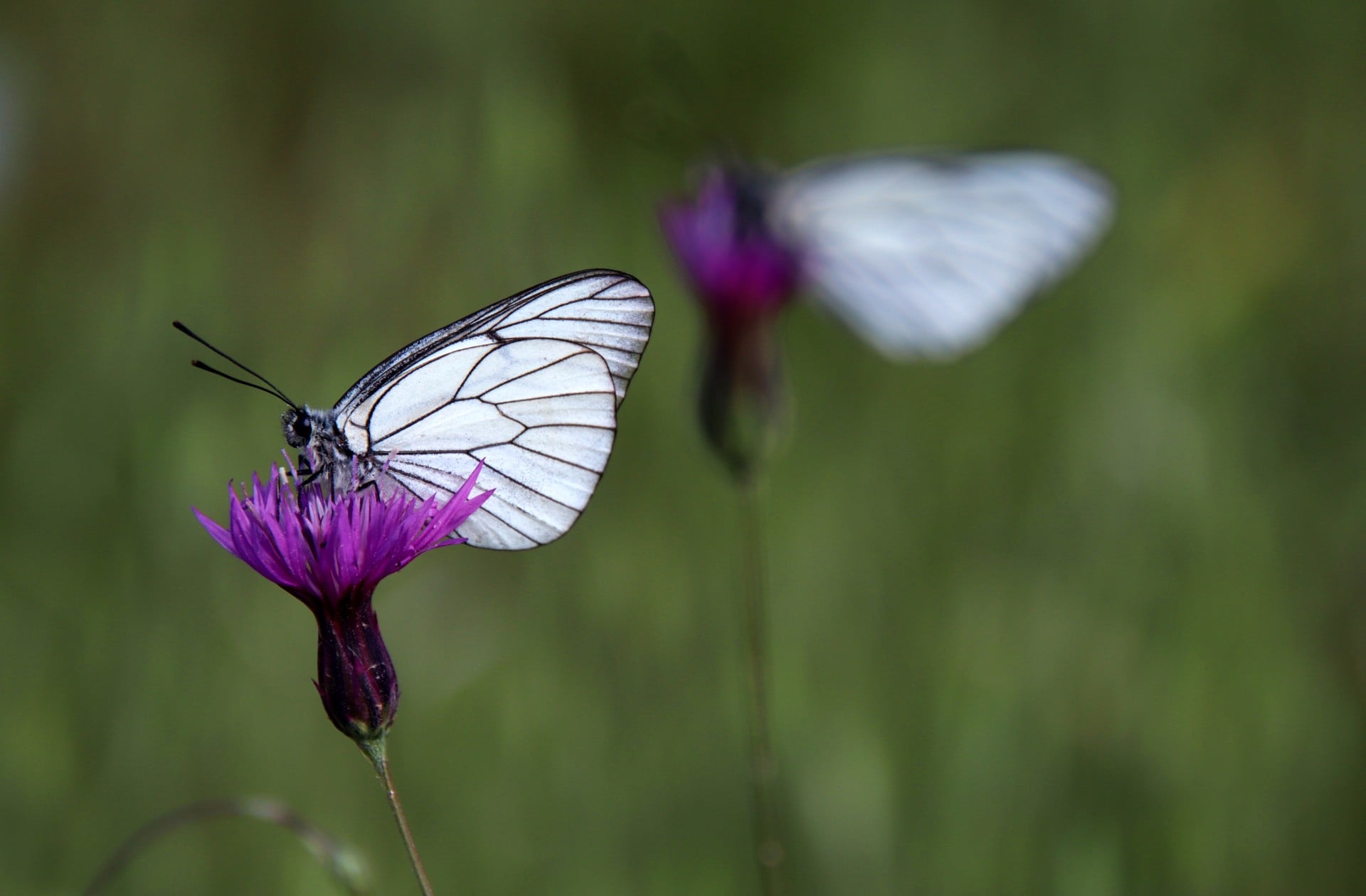
The Black-veined White butterfly. (Israel Nature and Parks Authority)
Several of the species at the highest risk of extinction live in particular areas, have small populations, or depend on sensitive habitats, such as wetlands, the book explains.
Dotan Rotem, an open-space ecologist at the Israel Nature and Parks Authority, said the findings indicated a continuing trend of deterioration in the state of one of the most important and sensitive insect groups in Israel’s ecosystems.
“Israel is warming at a faster rate than the global average, and many butterfly species are here at the southern limit of their distribution — a situation that increases their vulnerability,” Rotem said.
“In Israel, about 18 square kilometers (seven square miles) of natural areas are destroyed every year, one of the highest rates in the developed world. Habitat fragmentation creates small, isolated populations that are particularly sensitive to extreme events.”
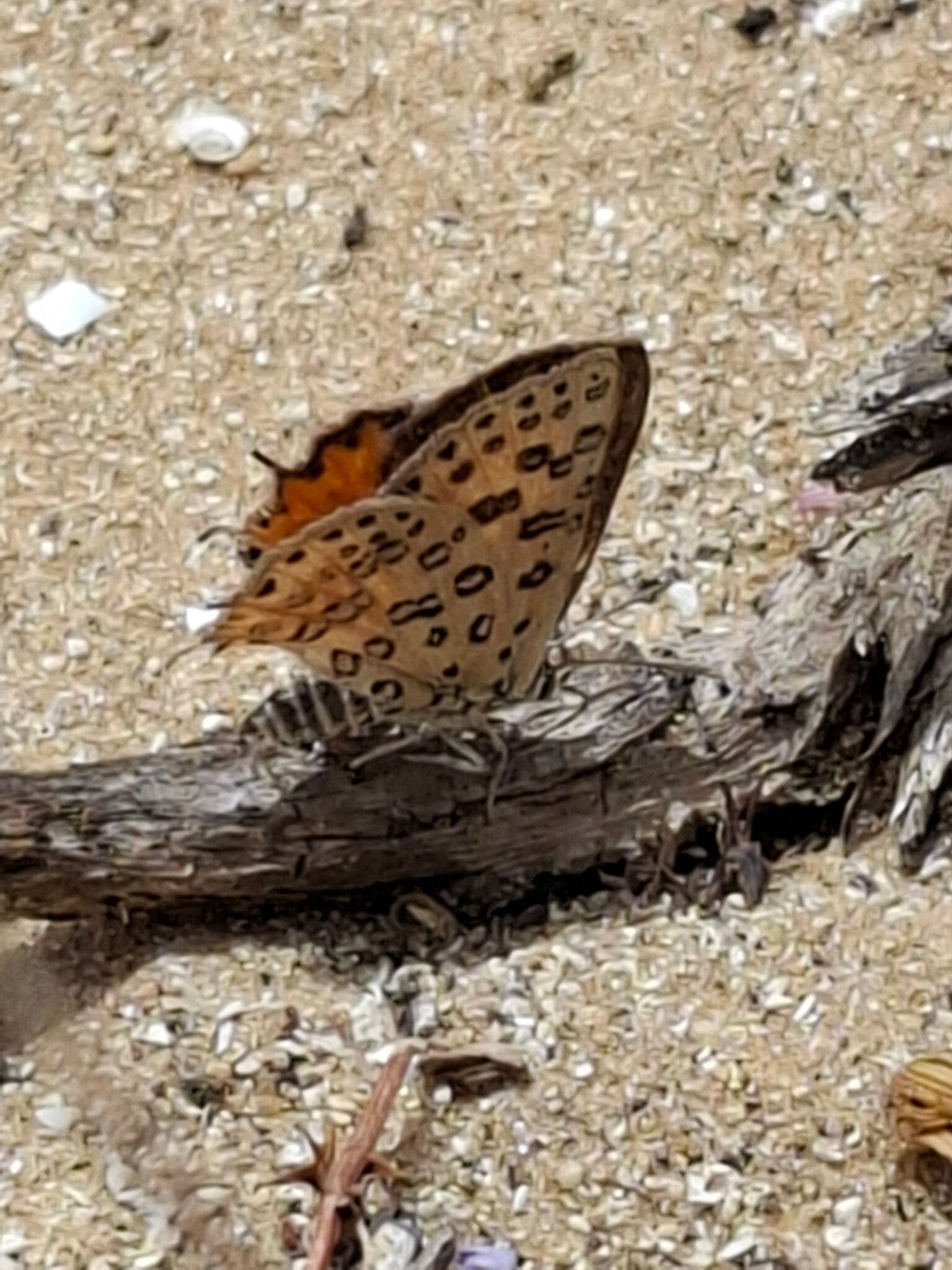
The Lesser Leopard butterfly. (Dotan Rotem/Israel Nature and Parks Authority)
He added that butterflies were the most documented group of insects in Israel. Research for the Red List showed some to be in a worse position than previously thought, while others saw improvement, following new information or habitat conservation and management activities.
However, he added, “the general trend is clear: the number of species at risk is increasing, and the habitats of many of them are shrinking. The Red List for butterflies in Israel is a wake-up call. Preserving butterflies is not just about preserving beauty and color, but about the stability and health of the ecosystems on which we all depend.”
Butterflies are important pollinators of plants, and they and their caterpillars provide food for creatures ranging from bats and birds to lizards.
The list, jointly published by the Israel Nature and Parks Authority, the Israel Lepidopterists’ Society, the Steinhardt Museum of Natural History at Tel Aviv University, and the KKL-JNF Jewish National Fund, was published to coincide with Tu B’Shvat (Arbor Day), which began Sunday night.