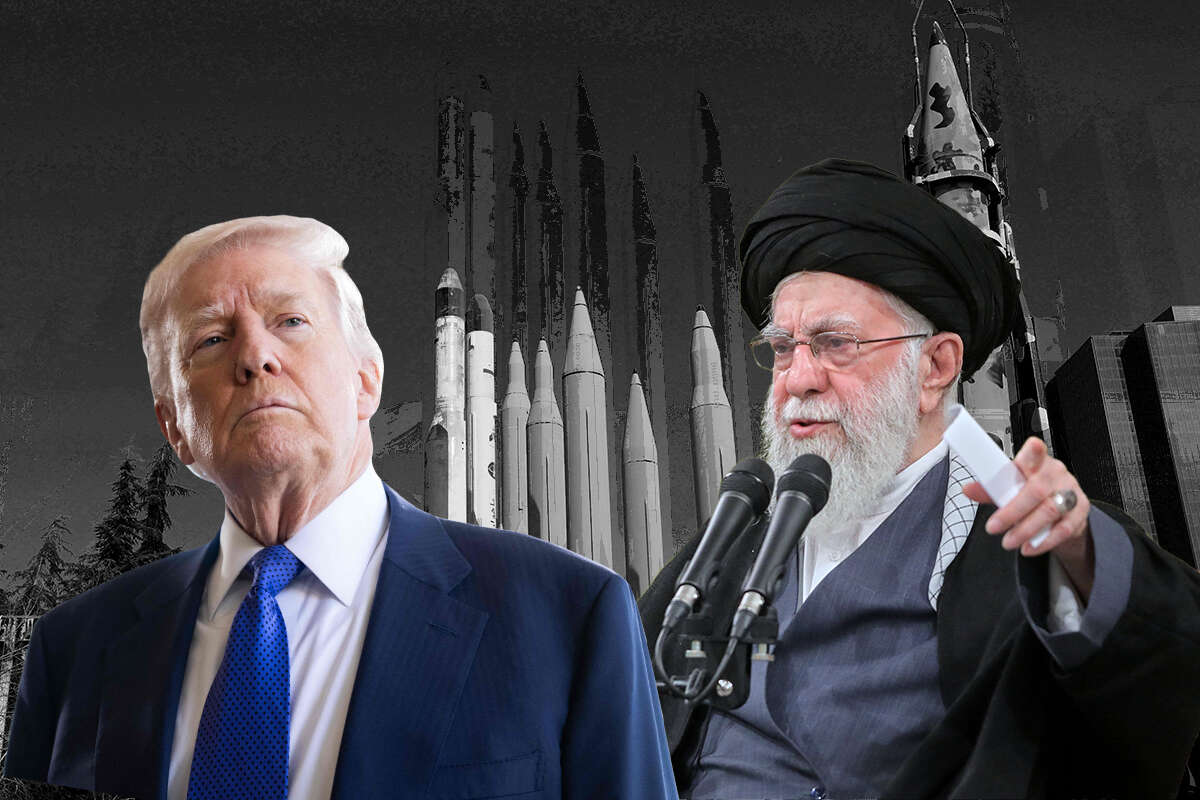
Gulf states have warned the US that Iran’s missile program is still capable of causing significant damage to American interests in the region, The Washington Post reported Sunday, citing two Western officials familiar with the matter. The warning follows an earlier report in The Wall Street Journal that US forces are still not prepared to carry out the type of action President Donald Trump is demanding, partly due to a shortage of air defense systems for allies in the region.
According to an assessment by a US ally in the Gulf, although Iran’s missile program suffered a critical blow during the war with Israel, key elements remain intact and other capabilities have been restored. Iran is believed to retain short-range missiles, launchers and parts of its production infrastructure, enabling it to strike US bases hosting tens of thousands of American troops.
Fabian Hinz, a researcher at the International Institute for Strategic Studies, told the Post that Israeli strikes during the war primarily targeted Iran’s long-range missile array, the systems that posed a threat to Israel. “The short-range array, and especially the anti-ship missile capabilities, have likely remained intact,” he said, adding that satellite imagery shows Iran has already begun repairing damage to production facilities and bases.
 Strike in Iran. Photo: AP AP
According to one Western official, from Iran’s perspective the nature of the confrontation with the US changed entirely once Trump voiced support for protests, with the regime now viewing a potential war as a threat to its very survival. An Iranian diplomat told the Post that Tehran is ready for respectful dialogue, but not under military threat. “Trump’s conditions are unrealistic and do not allow for negotiations,” he said, referring to the administration’s demands regarding Iran’s missile program and its support for regional proxies.
US allies in the Gulf believe the collapse of the Iranian regime is only a matter of time, but they fear far greater instability if such a collapse were to come as a result of an American strike. As a result, they are pushing for a diplomatic solution. “They support collapse, but not a sudden and violent one,” the official said. “They prefer a controlled erosion of the regime.”
 Rows of bodies in Iran during the peak night of the protests on January 8. Photo: X
According to the report, Iran has signaled to US allies in the region that it is still capable of striking American interests in the Gulf, and that next time such attacks would not be restrained or pre-coordinated, unlike the strike on a US base in Qatar at the end of the war in June.