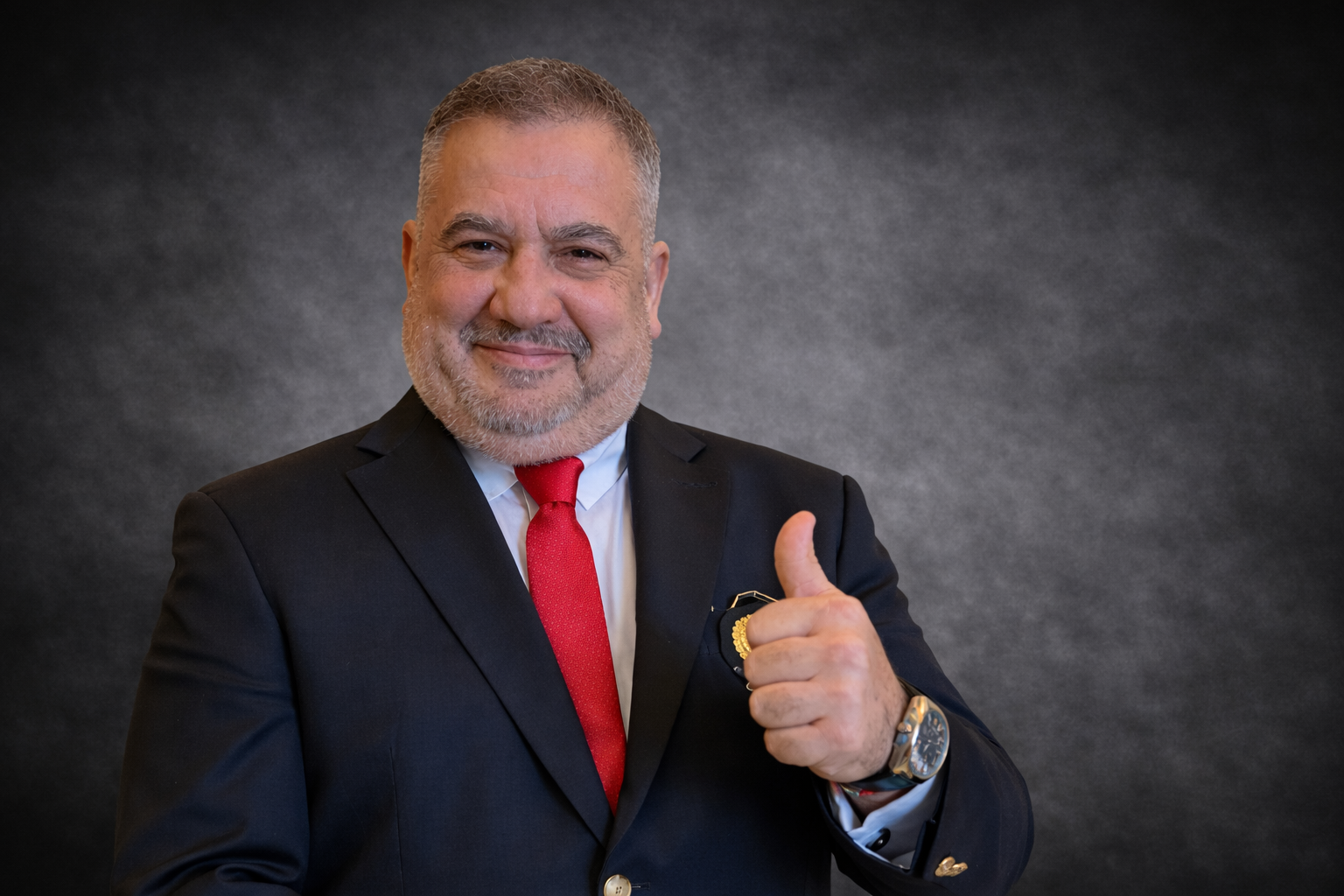
In an exclusive interview with MASTKD, Slavcho “Slavi” Binev, president of the Bulgarian Taekwondo Federation and member of the World Taekwondo Council, focuses on something that is rarely discussed in the run-up to a G2 event: identity. For Binev, Taekwondo should not be reduced to results or rankings, because it also expresses training: education, culture, discipline, and values.
The message comes in the countdown to Bulgaria Open 2026, an event that seeks to consolidate Sofia as an international Taekwondo destination with a competitive window that integrates Kyorugi and Poomsae, and which also serves as an institutional statement.
“Take a step back”: martial roots and a sense of belonging
Binev believes that, as modern sport advances, part of its martial essence is diluted. In this context, he proposes “taking a step back” and rediscovering the roots of martial arts: not out of nostalgia, but as a comparative advantage that Taekwondo still has and often fails to exploit.
His interpretation is clear: Taekwondo has a strength that other sports do not have to the same extent—its educational and cultural component—and that strength must be sustained in training, in competition, and in the way federations build community.
Internal build-up: Selection, structure, and coaches
When explaining Bulgaria’s growth in recent years, Binev links it to management decisions and methods: centralized work, structure, strengthening of the national team, and real support for the role of clubs and coaches. In his interpretation, when a federation organizes its base and its process, performance improves, the organization becomes more professional, and international credibility is consolidated.
This vision connects with a fundamental point: organizing major events is not an end in itself if there is no sporting and human project behind it. For Binev, the “leap” is not measured only in terms of stages, but in the ability to build a system.
Bulgaria and an ambition: not just to follow, but also to set standards
In a particularly political section, Binev points out that Bulgaria does not intend to limit itself to following other people’s models. Its aspiration, he says, is to contribute to setting standards within global Taekwondo. The subtext is clear: to move from being an efficient host to becoming a player with its own voice within the international ecosystem.
Bulgaria seeks to naturalize another Iranian taekwondo talent
Kyorugi and Poomsae in the same window: sport and culture, together
Binev values the fact that Bulgaria Open 2026 integrates Kyorugi and Poomsae in the same window and interprets it as more than just logistics: a conceptual gesture. For him, Taekwondo must be shown as a complete sport: competitive and educational; sparring and technical expression; spectacle and roots.
In this vein, he emphasizes that it is not enough to “say” that we want a more comprehensive Taekwondo: decisions must be made to make it visible, both on and off the mat.
A closing message: “Taekwondo family”
Before concluding, Binev invites us to support Taekwondo as a family: athletes, coaches, leaders, and also those who have always been there.
In times when high performance pushes for immediate results, his idea is to recover a sense of belonging and purpose.
In his view, that spirit—education, culture, discipline, and values—is not an ornament of Taekwondo: it is its core.
MAS: Media About Sport.
TKD: Taekwondo.
MASTKD: Worldwide Leader on Taekwondo Information.
Ver publicaciones similares
Descubre más desde MASTKD
Suscríbete y recibe las últimas entradas en tu correo electrónico.