The British pound traded quietly against the US dollar in early Asian trading on Monday, with the exchange rate hovering around 1.3700 in a lateral consolidation. Market sentiment has clearly become more cautious. The core driver of current exchange rate fluctuations is not a single economic data point but rather the repricing of expectations surrounding the outlook for US monetary policy and the pace of the Bank of England’s policy adjustments.
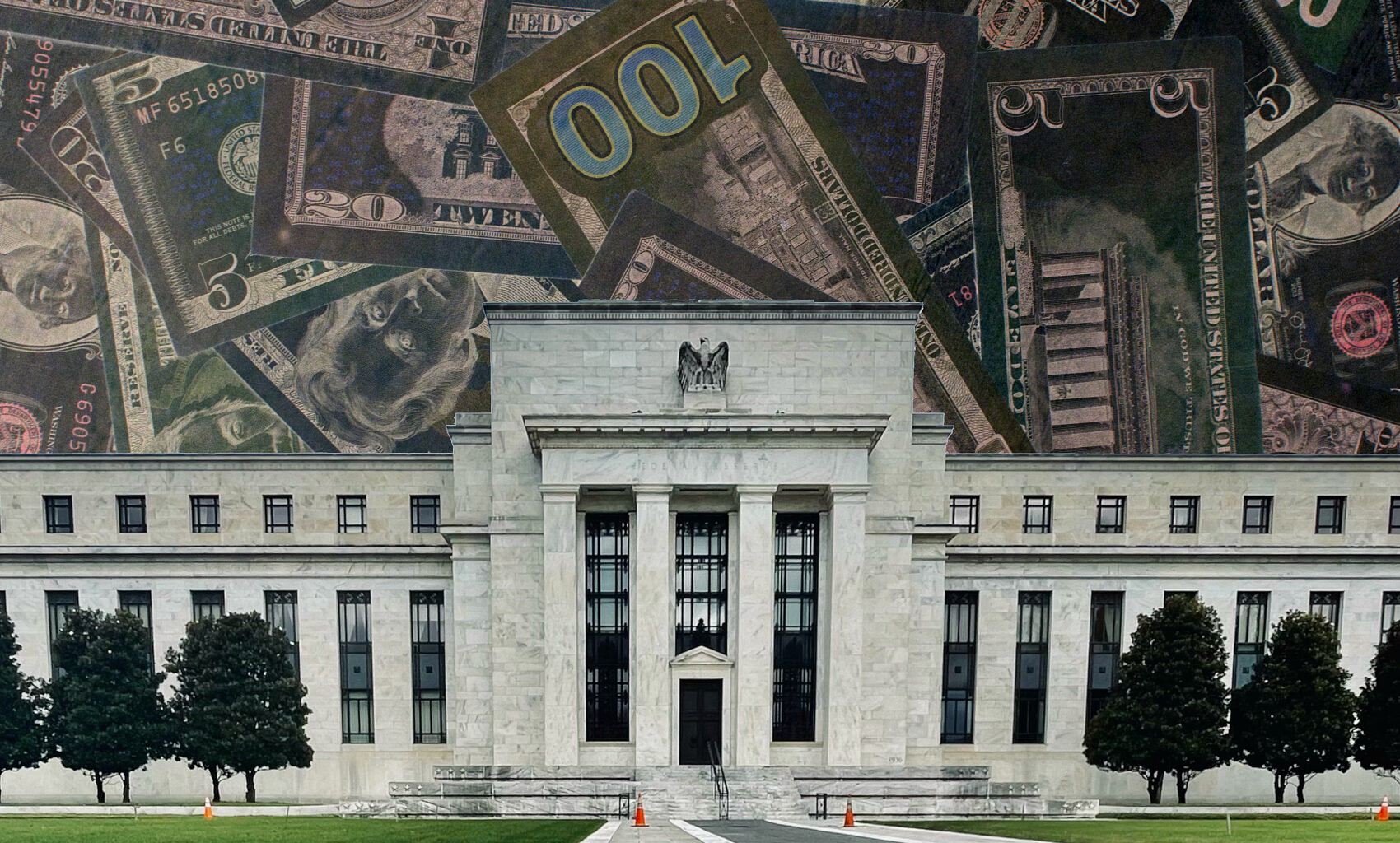
US President Trump nominated Kevin Warsh as the Federal Reserve Chairman, triggering a concentrated market assessment of the future policy framework. At the trading level, it is widely believed that Warsh is more likely to maintain relatively tight financial conditions, including continuing to reduce the balance sheet and maintaining higher interest rates until inflation risks have fully subsided.
This expectation has provided some support for the US dollar in the short term and limited further upward momentum for non-US currencies. Judging from market reactions, Warsh’s nomination has been interpreted as a relatively prudent choice.
 Investors generally believe that his policy stance does not entirely cater to political demands, and the impact on the Federal Reserve’s independence is limited. This has alleviated concerns about excessive intervention in monetary policy and long-term damage to the credibility of the US dollar.
As a result, the US dollar has received sentiment-driven support, making it difficult for the British pound to rise further at higher levels. Meanwhile, the upcoming release of the US ISM Manufacturing PMI data has also become an important short-term observation point. If the data shows robust performance, it may further strengthen the relative advantage of the US dollar.
On the UK side, the latest inflation data and retail sales figures exceeded market expectations, significantly increasing the probability that the Bank of England will keep interest rates unchanged in the short term. Markets generally expect the Bank of England to maintain its benchmark interest rate at 3.75% during the February meeting, with an overall cautious policy stance.
This assessment reflects the resilience of the UK economy, while the path of inflation decline still requires further confirmation. However, from a longer-term perspective, the market still tends to believe that the Bank of England will gradually begin a rate-cutting cycle in the first half of this year, albeit at a slower pace than previously anticipated.
It is precisely this policy expectation of being ‘relatively stable in the short term and relatively loose in the medium term’ that provides some support for the British pound but makes it difficult to form a one-sided trend. Against the backdrop of countervailing monetary policy expectations between the US and the UK, the movement of the pound against the dollar resembles a rebalancing process within a high-level range.
The US dollar benefits from expectations of policy credibility and sustained high interest rates, while the British pound avoids significant pullbacks due to relatively solid domestic data. As a result, the exchange rate has fallen into a tug-of-war.
From the daily chart of the pound against the dollar, after a previous continuous upward movement, the exchange rate has now entered a phase of high-level consolidation. The overall structure remains within an uptrend channel, but short-term momentum has slowed somewhat. Prices are currently fluctuating around short-term moving averages, and while the moving average system still reflects a bullish alignment, the slope has flattened, indicating that the bullish advantage is weakening.
The momentum indicator has retreated from high levels to a neutral-to-strong region without showing significant oversold signals, indicating that the adjustment is more likely to unfold through a time-for-space approach. From the perspective of key price levels, the area between 1.3750 and 1.3800 forms a noticeable resistance. Without new fundamental catalysts, a breakout will be challenging.
Support below is located near 1.3600. If this area is breached, the daily chart structure may shift toward a deeper technical correction. Overall, the current trend aligns more with high-level consolidation rather than a reversal pattern.

Editorial View:
The core contradiction for GBP/USD at present lies in the tug-of-war between ‘a relatively stable US dollar’ and ‘the resilience of the British pound.’ The Federal Reserve’s personnel arrangements have boosted market confidence in policy continuity, while the Bank of England’s decision to adopt a wait-and-see approach amid lingering inflation pressures has prevented a significant divergence in monetary policy expectations.
In the absence of strong data or policy signals, the exchange rate is likely to remain range-bound. In the short term, close attention should be paid to US manufacturing data and subsequent central bank statements. If expectations of a hawkish stance by the Federal Reserve are further reinforced, the upside potential for the British pound may face more pronounced constraints.