Published on
February 2, 2026
 A Timeless Stage in the Heart of Valletta
Standing quietly along Old Theatre Street in Valletta, Manoel Theatre represents one of Malta’s most treasured cultural landmarks. More than just a performance venue, the theatre is a living institution that has continuously shaped Malta’s artistic identity for nearly three centuries. Renowned for its intimate Baroque design, exceptional acoustics, and historical continuity, Manoel Theatre holds the distinction of being among the oldest working theatres in Europe.
Today, it remains an essential stop for visitors interested in architecture, history, and the performing arts. Its enduring relevance lies not only in its age but in its uninterrupted dedication to cultural expression, making it a cornerstone of Malta’s heritage and a respected venue on the global arts stage.
Historical Background and Geographical Setting
Manoel Theatre is located in Valletta, Malta’s fortified capital city and a UNESCO World Heritage Site. Valletta was founded in 1566 by the Knights of St. John and quickly became a cultural and administrative center in the Mediterranean. The theatre’s strategic location within this historic city reflects the Knights’ commitment to civic life, education, and artistic development.
The theatre was commissioned in 1731 by Grand Master António Manoel de Vilhena, a Portuguese nobleman of the Order of St. John. His vision was to create “a theatre for honest recreation,” offering entertainment and cultural enrichment to both the nobility and the public. Originally named Teatro Pubblico, it later became known as Teatro Reale before finally adopting the name Manoel Theatre in honor of its founder.
Over the centuries, the theatre has survived wars, political change, and shifting cultural tastes. During the British period, it hosted operas and theatrical productions from across Europe. Even during World War II, when Valletta endured heavy bombing, Manoel Theatre continued to function, offering solace and cultural continuity during times of hardship.
Architectural Identity and Interior Design
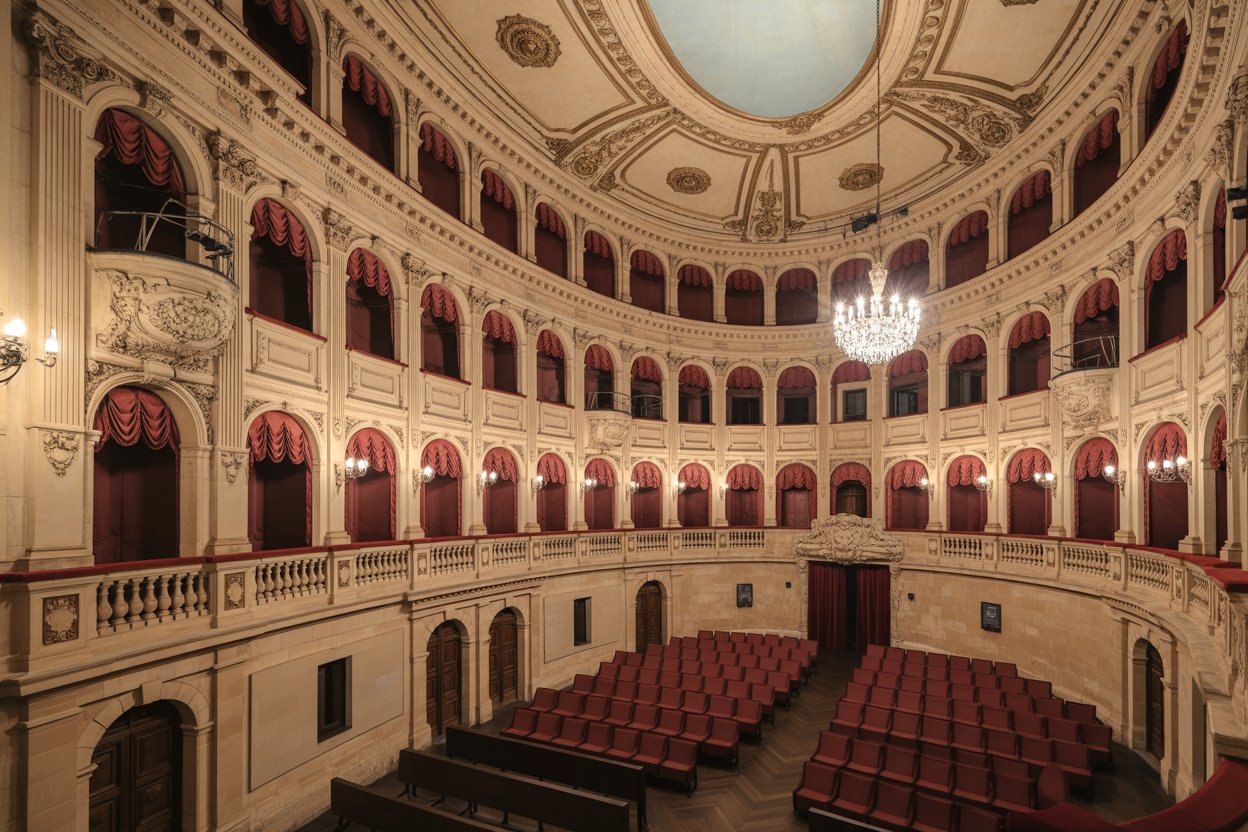
Manoel Theatre is a masterpiece of Baroque architecture adapted for performance art. From the outside, its limestone façade is understated, blending seamlessly into Valletta’s urban streetscape. However, the interior reveals remarkable elegance and craftsmanship.
Advertisement
Advertisement
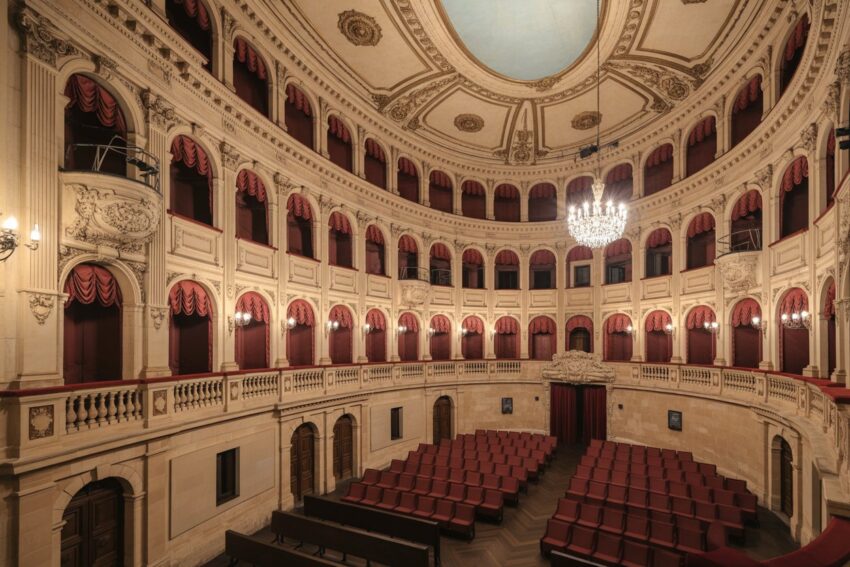
The horseshoe-shaped auditorium features three tiers of intricately carved wooden balconies, adorned with gold leaf and classical motifs. Red velvet seating, a painted ceiling, and crystal chandeliers enhance the theatre’s intimate atmosphere. Despite its modest size, the theatre is celebrated for its exceptional acoustics, allowing performances to be heard clearly without amplification.
The theatre also houses several ancillary spaces, including rehearsal rooms, costume storage areas, and a museum displaying historical documents, stage designs, and artifacts related to Malta’s theatrical history.
Importance in Global Tourism
Manoel Theatre plays a vital role in global cultural tourism by attracting visitors seeking authentic, heritage-driven experiences. As one of the oldest continuously operating theatres in the world, it holds exceptional appeal for international audiences interested in music, opera, drama, and architectural history.
Cultural tourism is increasingly valued for its ability to foster cross-cultural understanding, and Manoel Theatre serves as a bridge between Malta’s past and present. International performers, orchestras, and theatre companies regularly grace its stage, positioning Malta as an active participant in the global performing arts network.
The theatre’s presence enhances Valletta’s reputation as a cultural capital, encouraging longer stays, repeat visits, and year-round tourism beyond the traditional summer season. In doing so, it contributes directly to sustainable tourism and the preservation of Malta’s intangible cultural heritage.
How to Reach Manoel Theatre
Manoel Theatre is easily accessible due to its central location within Valletta.
By Air
Malta International Airport is approximately 8 kilometers from Valletta. Visitors can reach the city by taxi, ride-hailing services, or public buses. Travel time typically ranges between 20 and 30 minutes.
By Public Transport
Valletta is the main transport hub of Malta’s bus network. Numerous routes from across the island terminate at Valletta’s central bus station, located within walking distance of the theatre.
By Sea
Ferries from the Three Cities and Sliema arrive at Valletta’s waterfront. From there, the theatre can be reached on foot via elevators and pedestrian routes leading into the city.
On Foot
For those already in Valletta, Manoel Theatre is easily reached on foot. Its location allows visitors to combine the visit with nearby attractions such as St. John’s Co-Cathedral and Republic Street.
Who Can Visit Manoel Theatre
Manoel Theatre welcomes a diverse range of visitors and audiences.
Performing arts enthusiasts interested in opera, theatre, ballet, and classical musicCultural travelers seeking historically rich and authentic experiencesStudents and academics studying music, drama, architecture, or European historyFamilies and casual visitors attending daytime tours and educational programsInternational tourists looking to explore Malta beyond beaches and resorts
The theatre offers guided tours that allow visitors to explore the auditorium, backstage areas, and museum spaces, making it accessible even to those who are not attending a performance.
Best Time to Visit Manoel Theatre
Manoel Theatre operates throughout the year, but timing can enhance the visitor experience.
Autumn and Winter (October to March)
This period marks the peak cultural season in Malta. The theatre hosts a full calendar of operas, orchestral concerts, theatrical productions, and international festivals. Cooler weather makes city exploration comfortable.
Spring (April to May)
Spring offers a balanced experience with fewer crowds and continued cultural programming. It is an ideal time for guided tours and evening performances.
Summer (June to September)
While summers are quieter due to outdoor festivals and higher temperatures, the theatre still hosts select performances and tours. Early evening events are particularly popular during this season.
Role in Malta’s Cultural Identity
Manoel Theatre is deeply embedded in Malta’s national identity. It has served as a training ground for Maltese performers, composers, and directors while hosting international talent. The theatre actively supports local arts through educational initiatives, workshops, and youth programs.
Its annual program includes opera, classical music, contemporary theatre, and experimental productions, reflecting Malta’s evolving cultural landscape. By maintaining a balance between tradition and innovation, the theatre remains relevant to modern audiences while honoring its historic roots.
Educational and Community Engagement
Beyond performances, Manoel Theatre plays a vital educational role. School visits, guided tours, and workshops introduce younger generations to the performing arts and cultural heritage. The theatre collaborates with local and international institutions to promote artistic exchange and professional development.
Community engagement initiatives ensure that the theatre remains accessible and inclusive, reinforcing its original mission as a space for public enrichment.
Preservation and Sustainability Efforts
Maintaining a historic theatre requires ongoing conservation and responsible management. Manoel Theatre undergoes regular restoration work to preserve its structure, décor, and acoustics. These efforts are guided by heritage conservation standards to ensure authenticity.
Tourism revenue, public funding, and cultural partnerships contribute to sustaining the theatre’s operations. Responsible tourism practices help balance visitor access with long-term preservation, ensuring the theatre’s survival for future generations.
Nearby Cultural Attractions
Visitors to Manoel Theatre can easily explore other significant landmarks in Valletta, including:
St. John’s Co-CathedralUpper Barrakka GardensNational Museum of ArchaeologyGrand Harbour viewpointsValletta’s historic streets and cafés
This proximity allows travelers to design a comprehensive cultural itinerary within a compact area.
A Lasting Cultural Legacy
Manoel Theatre stands as a testament to Malta’s enduring relationship with the performing arts. From its Baroque origins to its modern productions, the theatre continues to inspire audiences from around the world. Its intimate scale, historical significance, and artistic excellence set it apart as a unique cultural destination.
For visitors exploring Valletta, Manoel Theatre offers more than entertainment. It provides insight into Malta’s social history, artistic ambition, and cultural resilience. Whether attending a performance or joining a guided tour, visitors leave with a deeper appreciation for the role of the arts in shaping national identity and global cultural exchange.
