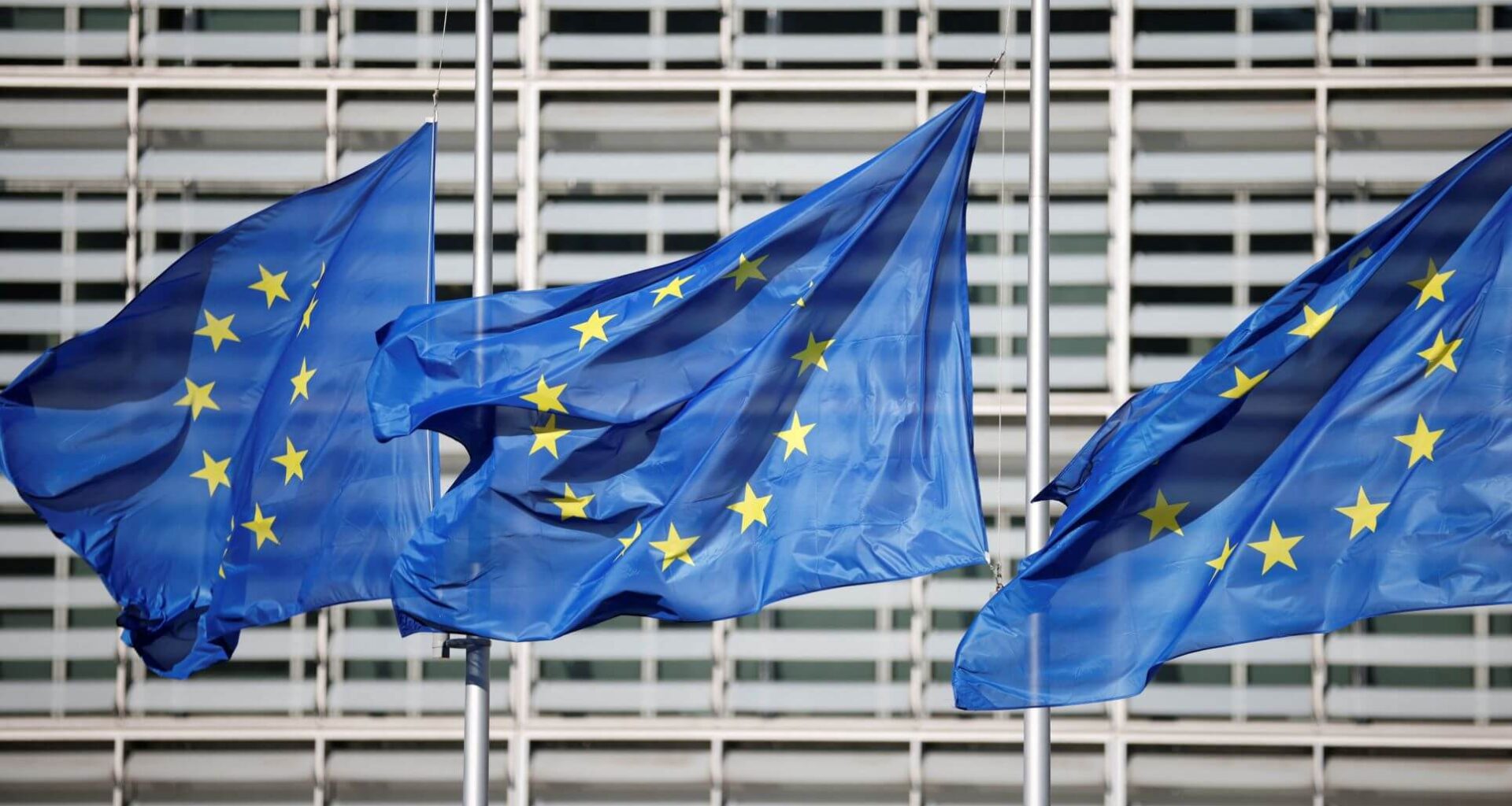
The European Union must adopt a stronger “Made in Europe” strategy to shield its industries from global competition, EU industry chief Stéphane Séjourné said in an opinion piece published across European newspapers on Sunday evening. The article, co-signed by more than 1,100 CEOs and business leaders, argues that without a robust and pragmatic industrial policy, Europe risks becoming merely a marketplace for its competitors rather than a serious industrial power. Séjourné’s comments come as the European Commission prepares to move ahead later this month with its proposed Industrial Accelerator Act, which is expected to include requirements prioritising locally manufactured products.
Policy Proposal and Rationale
Séjourné called for the establishment of a clear European preference in what he described as the bloc’s most strategic sectors. He warned that failure to act decisively would leave European industry vulnerable, particularly to cheaper imports from China. Framing the issue in global terms, he argued that other major economies already protect their strategic assets through national preference schemes, citing “Made in China” and “Buy American” policies as examples. In his view, Europe should follow suit and ensure that public money supports European production and the creation of quality jobs within the bloc.
Divisions Within the EU
The push for a “Made in Europe” strategy has exposed clear fault lines among EU member states. France and other governments have emerged as strong supporters of prioritising local production, seeing it as essential to industrial resilience and economic sovereignty. By contrast, countries such as Sweden and the Czech Republic have voiced concerns that “buy local” rules could discourage foreign investment, drive up prices in public procurement and ultimately undermine the EU’s global competitiveness.
Why It Matters
The debate goes to the heart of Europe’s economic strategy at a time of intensifying global trade competition. As the EU grapples with pressure from low-cost imports and increasingly assertive industrial policies in the United States and China, the question of whether to embrace a more protectionist stance has significant implications for growth, jobs and the single market. The outcome will shape how Europe balances industrial support with its long-standing commitment to open markets and competition.
What’s Next
Attention now turns to the Commission’s Industrial Accelerator Act, expected to be rolled out later this month. Its final design will indicate how far Brussels is willing to go in embedding a “Made in Europe” preference into EU policy, and whether it can bridge divisions among member states while responding to calls from industry leaders for stronger protection of European manufacturing.
Analysis
Séjourné’s intervention is political as much as economic. By invoking “Made in Europe” alongside “Buy American” and “Made in China,” he is reframing industrial protection as normal rather than exceptional, pushing back against the EU’s traditional discomfort with overt preference policies. The unusually broad backing of more than 1,100 CEOs signals strong pressure from industry for a shift away from pure market openness toward strategic protection, especially in sectors exposed to Chinese competition.
At the same time, the internal split among member states highlights a core tension within the EU project. Countries like France see local-content rules as a way to secure jobs, sovereignty and resilience, while smaller and more trade-dependent states fear higher costs and reduced attractiveness to investors. This suggests that any “Made in Europe” policy emerging from the Industrial Accelerator Act is likely to be a compromise rather than a full-scale protectionist turn.
The timing is also significant. With the Industrial Accelerator Act imminent, Séjourné’s article appears designed to shape the political narrative in advance, building legitimacy for stricter local-production requirements and applying public pressure on sceptical governments. Whether this translates into binding rules or softer guidance will indicate how far the EU is prepared to recalibrate its economic model in response to global industrial competition.
With information from Reuters.