(Beirut) – The Syrian transitional government took initial steps in 2025 to advance justice and accountability for crimes and abuses committed by the former government, Human Rights Watch said today in its World Report 2026.
The Syrian authorities created new government bodies on transitional justice and to account for thousands of missing persons in Syria. But while it promised accountability for identity-based violence and killings by government forces in March and July, the government provided little transparency on the role of senior officials and commanders.
“The new Syrian authorities have made justice and accountability a priority, but these efforts cannot be selective or one-sided,” said Adam Coogle, deputy Middle East director at Human Rights Watch. “To move Syria into a new, rights-respecting era, Syrian authorities should comprehensively account for abuses by all sides before and after December 2024, examining not just individual crimes but institutional responsibility.”
In the 529-page World Report 2026, its 36th edition, Human Rights Watch reviews human rights practices in more than 100 countries. In his introductory essay, Executive Director Philippe Bolopion writes that breaking the authoritarian wave sweeping the world is the challenge of a generation. With the human rights system under unprecedented threat from the Trump administration and other global powers, Bolopion calls on rights-respecting democracies and civil society to build a strategic alliance to defend fundamental freedoms.
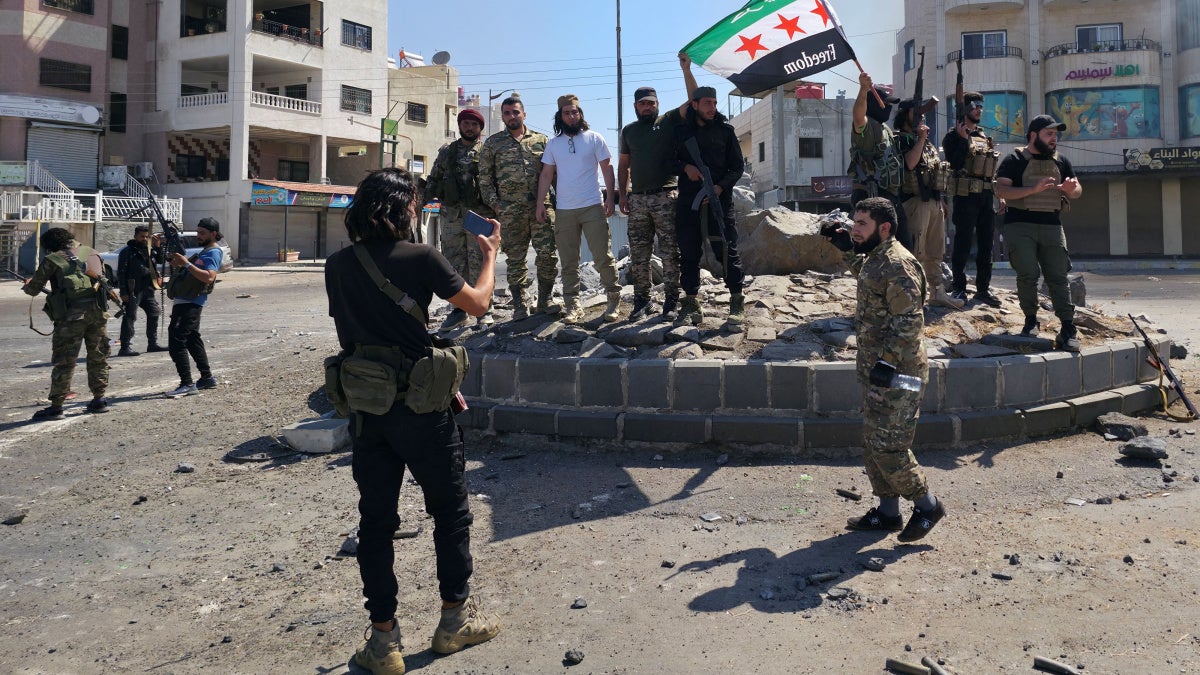
A constitutional declaration in March affirmed judicial independence, but the government needs to provide the key legal and institutional frameworks necessary for the prosecutions of serious international crimes and to address command responsibility. Government authorities have met with civil society groups on accountability and the government has included several justice experts in the nationally mandated commissions, but it needs to clarify how victims and stakeholders will be meaningfully included in shaping and participating accountability processes. The deployment of government forces in 2025 in response to attacks and armed violence in Latakia, Tartous, and Hama governorates in March and in Sweida governorate in July resulted in a wave of identity-based violence across those regions. Syrian authorities credibly investigated these incidents but provided little transparency about the role of senior military or civilian leaders or how the government would hold those with command authority to account. In 2025, the United States and European Union terminated longstanding sanctions on Syria, a critical step toward improving Syrians’ access to fundamental socioeconomic rights and to rebuilding a country devastated by years of grueling conflict. Nevertheless, over 90 percent of Syrians live below the poverty line and more than half struggle to access adequate food and require aid.