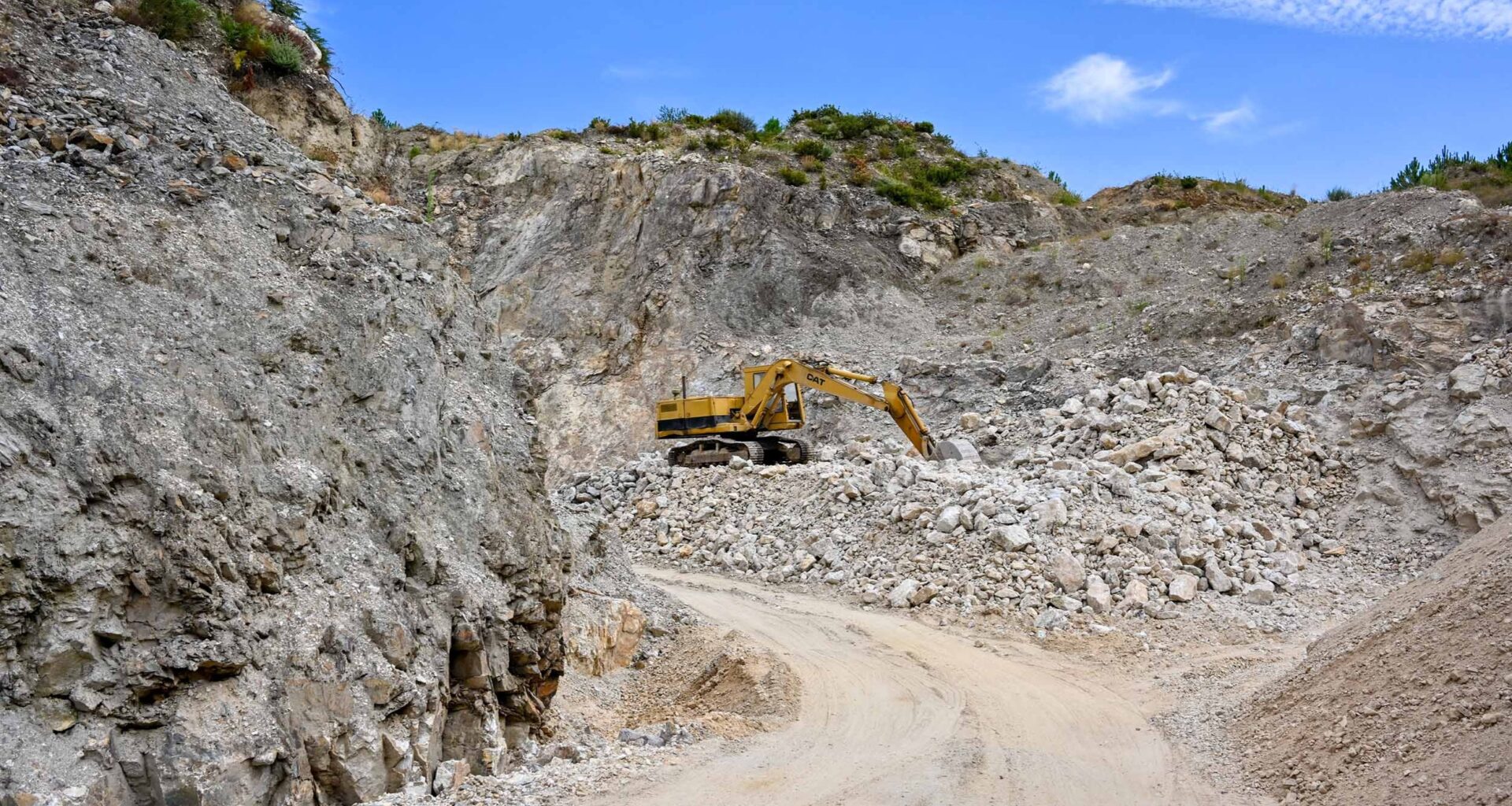
Environmental organisations and community groups have announced they are taking the European Commission to the European Court of Justice over its decision to grant “strategic project” status to a lithium mine in Portugal. ClientEarth says neither companies nor governments should be allowed to create “sacrifice zones” in the name of the energy transition.
Associação Unidos em Defesa de Covas do Barroso and ClientEarth said they filed the case after the Commission refused to reconsider its decision on the Mina do Barroso lithium mine under the Critical Raw Materials Act. They accuse the EU executive of ignoring “detailed evidence showing that the project poses serious environmental, social and safety risks”.
A report published earlier this month by the European Court of Auditors warned that EU efforts to safeguard the critical raw materials needed for the energy transition were falling flat, as domestic production lags and imports remain limited to a few countries.
In 2024, EU lawmakers adopted the CRMA to address the bloc’s vulnerabilities in the supply of raw minerals needed for the energy and digital transitions, and defence. Alongside a 65 per cent cap on imports from single countries, it set goals that 10 per cent of strategic raw materials should be mined within the EU, 40 per cent should be processed within the bloc, and 25 per cent should come from recycled materials by 2030.
“It is undeniable that critical minerals are essential for a transition to renewable energy, and that there may be some need for new mining projects where mineral recycling levels and demand-side changes are lagging behind,” said ClientEarth lawyer Ilze Tralmaka.
“It is also critical that the permitting process is carried out properly — for the sake of the industry’s own social licence and the long-term viability of the transition, as well as for the protection of local communities and vital ecosystems,” she told Sustainable Views. “We cannot allow the industry or governments to create sacrifice zones either within or outside the EU.”
Complete and comprehensive environmental assessments, the early involvement of local communities, and safe mining practices combined with adequate mitigation measures were vital, said Tralmaka.
And at the end of the process, “the damage to the environment, which is inevitable with extraction projects, must be proportional to the benefits it would bring — including to local communities and ecosystems”, she added.
Tralmaka likewise insisted on the need to reduce demand for critical minerals through more reuse and recycling and for a comprehensive audit of mineral uses. This should consider, for example, how restructuring transport systems away from car dependence, avoiding data centre growth and increasing the life cycles of products can decrease the amount of minerals required, she said.
Environmental impact assessment gaps
The non-profits argue that the Commission did not fulfil its obligation to assess the sustainability of the Mina do Barroso project when designating it as “strategic”. They cite gaps in the assessment of environmental impacts and the safety of the planned tailings storage facility.
These failures contradict EU environmental law and the Commission’s stated commitment to source raw materials through sustainable mining practices, they add.
According to the non-profits, the Commission said that concerns about impacts on water and biodiversity and the safety of tailings are a national responsibility. The Mina do Barroso mine was conditionally approved by the Portuguese Environment Agency in May 2023.
The Commission has been contacted for comment.