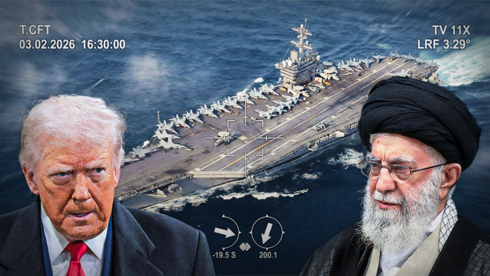
Iranian Foreign Minister Abbas Araghchi said Wednesday night that the talks would begin at 10:00 a.m. local time in Muscat. In a post on X, he thanked Oman for arranging the meeting and signaled that Iran would not broaden the agenda beyond nuclear matters. U.S. officials later confirmed the talks would take place as scheduled.
3 View gallery
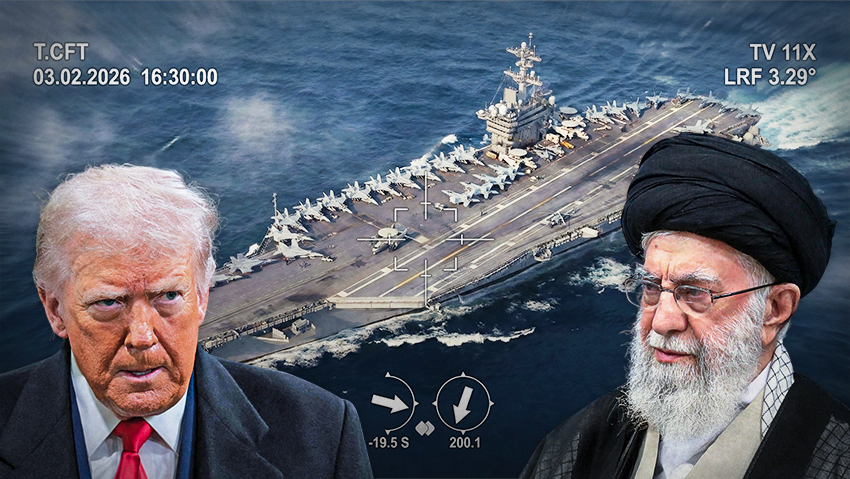
Donald Trump, Ali Khamenei
(Photo: Anna Moneymaker/AFP, KHAMENEI.IR/AFP)
A senior White House official told Al Jazeera that plans for the meeting were back on track following pressure from Arab and Muslim leaders. The confirmation came after reports in the United States suggested the talks had been canceled, only to be reversed hours later.
Against the backdrop of the diplomatic developments, Israel’s political and security Cabinet convened earlier than planned at the Prime Minister’s Office in Jerusalem. The discussion, moved up from Sunday, focused on the renewed negotiations and their implications for Israel’s security. Israeli officials continue to assess that the chances of reaching an agreement remain slim due to fundamental gaps between the sides.
President Donald Trump said in an interview aired on NBC that Tehran was still negotiating but warned that Iran’s Supreme Leader Ali Khamenei should be “very concerned.” Trump said the United States had identified Iranian efforts to establish a new nuclear facility and issued a blunt warning against such activity.
3 View gallery
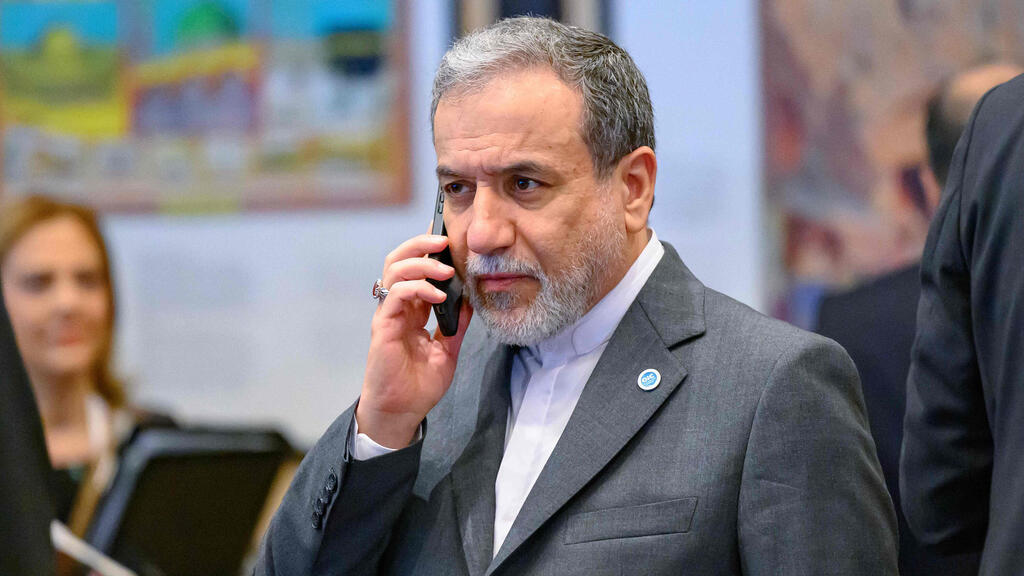
Iranian Foreign Minister Abbas Araghchi
(Photo: AP Photo/Mehmet Guzel)
In Tehran, officials sought to project business as usual and reiterated that Iran would not yield to American pressure. The Tehran-based Tasnim news agency, which is affiliated with the regime, claimed that the United States and Israel had ultimately accepted Iran’s firm insistence on returning to the previous framework of negotiations.
Israel’s military and intelligence analysts say the core dispute remains unchanged. Iran refuses to discuss its ballistic missile program, which it views as a central pillar of its defense, while the United States and Israel see the missiles as a strategic threat. Israeli officials continue to argue that without addressing missiles, any nuclear agreement would leave Iran with significant military leverage.
Israel’s military analyst Ron Ben-Yishai wrote that, at this stage, there is nothing fundamentally new in the talks aside from the fact that Khamenei has not granted Araghchi authority to conduct substantive negotiations. According to Ben-Yishai, the Iranian foreign minister is expected to reiterate Tehran’s established positions and express limited openness to discussing a U.S. proposal raised in previous rounds to form a regional uranium enrichment consortium, with Iran as one of its members.
Iran may also be prepared to discuss a significant reduction in its stockpile of highly enriched uranium, including diluting part of it and transferring another portion to foreign custody, likely Russia, according to Israeli assessments.
3 View gallery
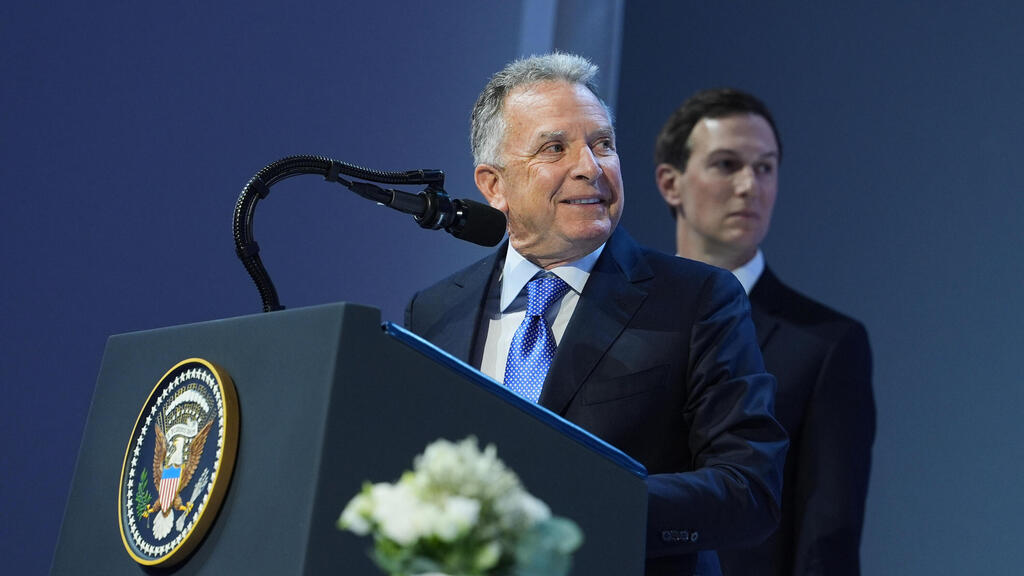
Steve Witkoff
(Photo: AP/ Evan Vucci)
Araghchi’s post came shortly after U.S. officials confirmed to Reuters and AFP that the talks would proceed in Oman. Iranian media later reported that Araghchi discussed the developments in phone calls with his counterparts in Egypt, Oman and Qatar.
If the talks proceed as described, holding them in Oman would constitute what The Wall Street Journal described as a “small tactical victory” for Tehran. Over the past 24 hours, Iran sought to shift the venue from Turkey to Muscat. Initial reports said the talks would take place in Turkey with representatives from Arab countries present, but later versions suggested a direct meeting between Trump associates Steve Witkoff and Jared Kushner and the Iranian foreign minister.
Iran has made clear that the negotiations will address only its nuclear program, including its stockpile of enriched uranium, estimated at about 400 kilograms. Tehran has rejected any discussion of future enrichment limits, ballistic missiles or regional activity.
Secretary of State Marco Rubio said that if Iran wants the talks to lead to something meaningful, they must include additional issues, foremost among them Iran’s ballistic missile program, funding for terrorist organizations in the region and Tehran’s treatment of its own population. Iran has rejected all three demands.
Rubio later said the United States was ready to meet if Iran wanted to proceed on Friday. At a news conference, he did not confirm reports of a venue change but said it appeared Iran had initially refused to hold talks in Turkey before demanding they be moved to Muscat.
Israeli officials say the United States has asked Israel to refrain from unilateral military action while talks are underway. Coordination between the two countries is described as exceptionally close, with senior Israeli officials noting frequent visits by military and intelligence officers between Washington and Jerusalem.
Earlier this week, Witkoff met for more than three hours with Prime Minister Benjamin Netanyahu and senior defense officials, who presented updated intelligence on Iran’s nuclear and missile programs. Israeli officials also shared information on Iran’s internal repression during the latest wave of protests.
Netanyahu outlined Israel’s red lines for any agreement, including zero uranium enrichment, the removal of Iran’s enriched uranium stockpile from its territory, a halt to the missile program and an end to Iranian support for regional proxies. Israeli officials say the United States is aware of Israel’s positions and does not underestimate the challenges posed by Tehran.
Despite renewed diplomacy, Israeli assessments remain cautious. Officials continue to warn that without enforceable limits on enrichment, missiles and regional activity, Iran could use negotiations to buy time, leaving military options firmly on the table.