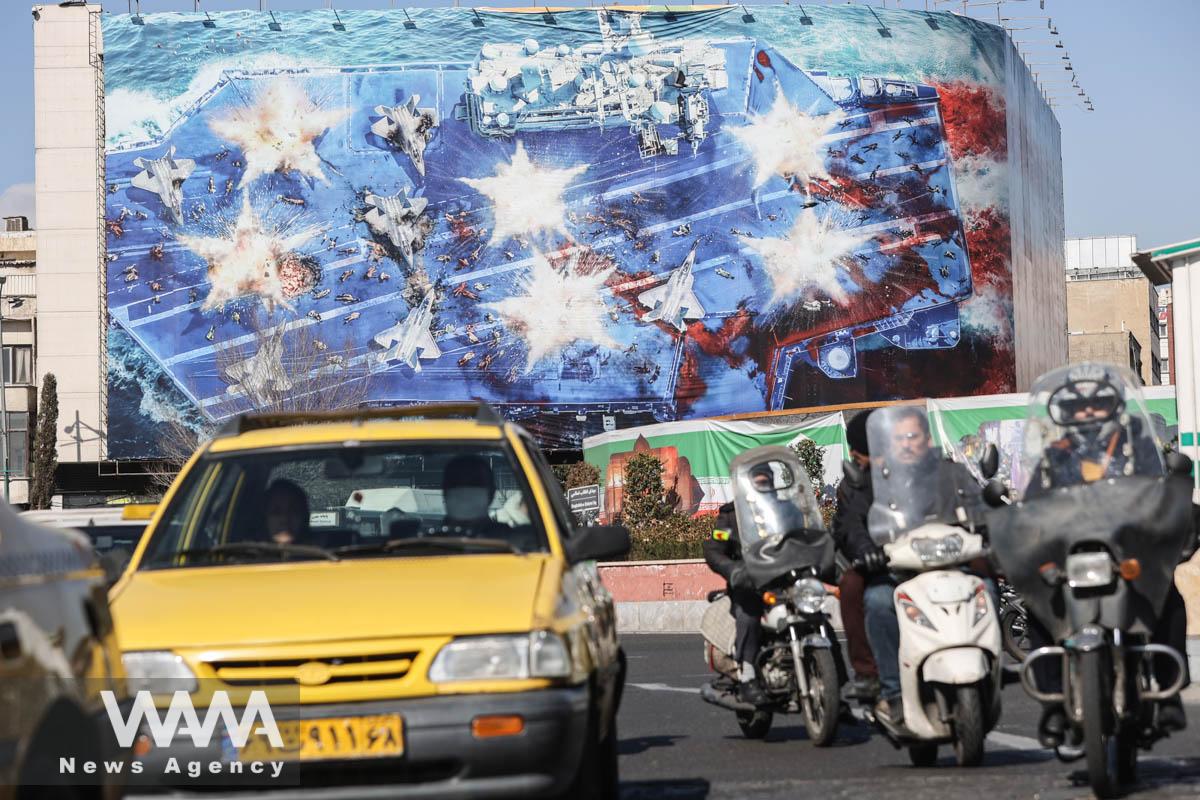
WANA – Our team is closely monitoring the latest developments regarding the possible Iran–U.S.–Israel clash here.
What Was the Story Behind the Cancellation of Iran–U.S. Talks?
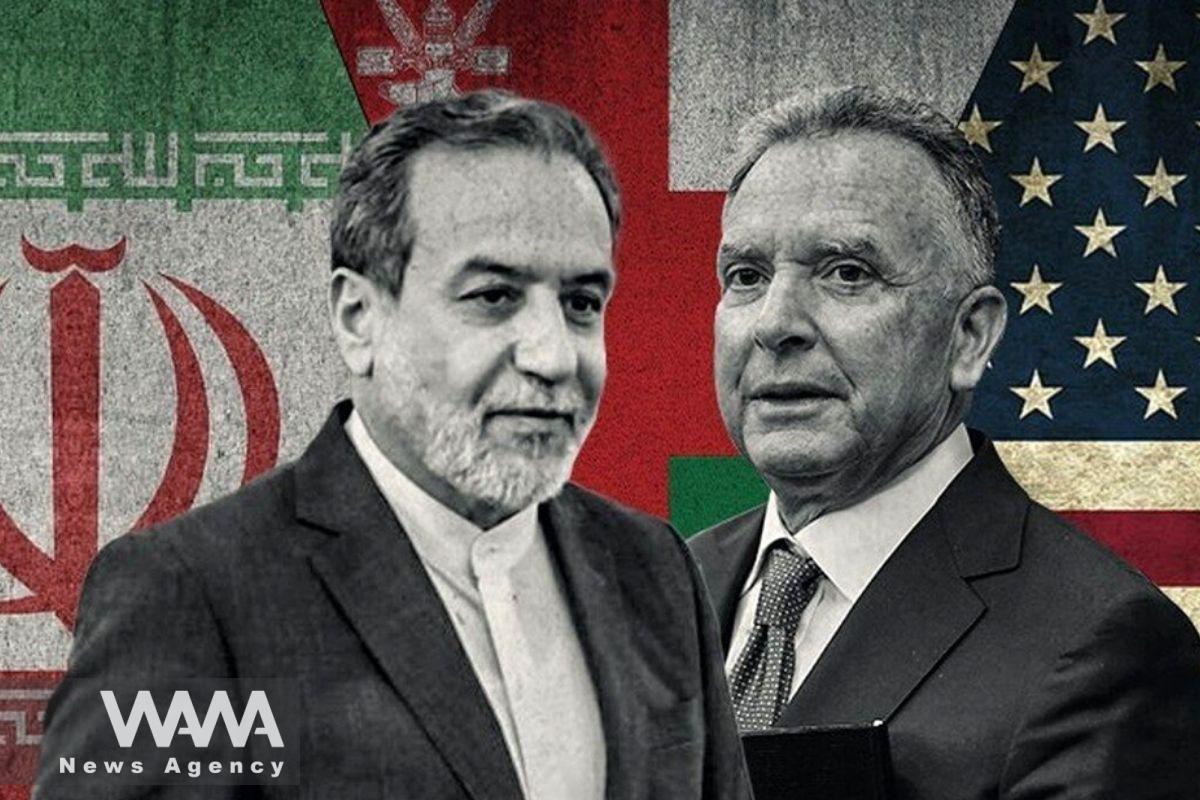
Seyed Abbas Araghchi, Iran’s Minister of Foreign Affairs, and Steve Witkoff, the head of the U.S. negotiation team. Social media/ WANA News Agency
WANA (Feb 05) – In recent hours, a wave of reports has circulated in Western media claiming that the upcoming nuclear negotiations between Iran and the United States have been canceled.
The primary source of these reports was the Axios website.
Axios, citing unnamed U.S. officials, reported that Washington had opposed holding negotiations in Oman, a venue proposed by Iran.
While Axios did not explicitly state that the talks had been canceled, Israeli media outlets interpreted the leaked information as a U.S. decision to call off the negotiations.
Regardless of the accuracy of these reports, analysts view this type of media messaging as a psychological tactic by the United States aimed at extracting concessions from Iran ahead of the formal start of talks.
Despite the absence of any official U.S. statement confirming the cancellation, Washington is believed to have adopted a strategy of “controlled leaks” to create psychological pressure and secure desired concessions from Iran before negotiations begin, without offering anything in return.
The reports continued until Iran’s Foreign Minister, Seyed Abbas Araghchi, officially announced the time and location of the talks in a post on X (formerly Twitter).
In his post, Araghchi stated that nuclear negotiations with the United States would be held on Friday in Muscat at approximately 10:00 a.m.
Subsequently, Axios added to its earlier reporting and announced that the Iran–U.S. meeting in Muscat was back on track, attributing the development to pressure from nine Arab countries on the Trump administration not to cancel Friday’s talks.
The coming hours are expected to determine the fate of the anticipated indirect nuclear negotiations between Iran and the United States.
However, Iran has repeatedly stated that it is prepared to negotiate solely on the nuclear issue, and only to reassure the other side that its nuclear program is not being militarized. Tehran has emphasized that it will not discuss any other issues in the upcoming talks with the United States.
Other matters that the U.S. side has attempted to introduce through media leaks—particularly Iran’s missile capabilities and regional issues—are, according to Iran, not subjects for negotiation under any circumstances.
Trump Claims Iran Is Reviving Nuclear Program
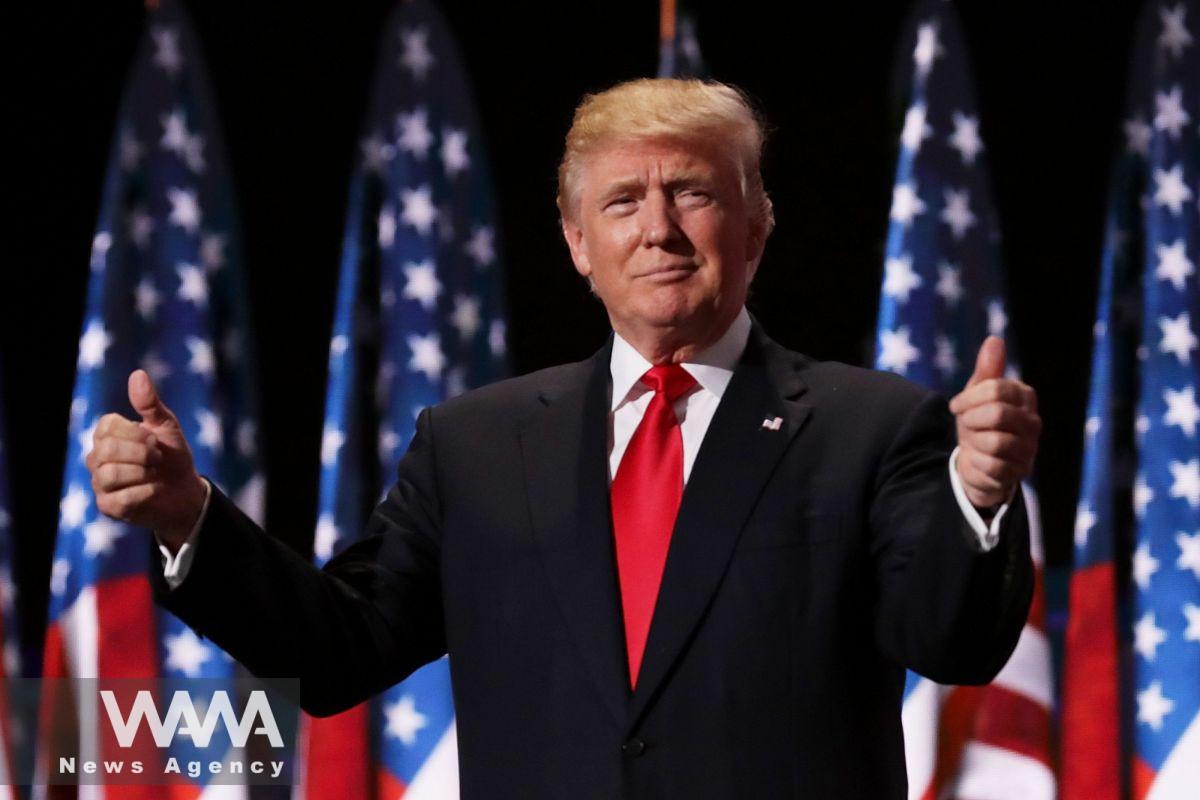
WANA (Feb 05) – U.S. President Donald Trump, in an interview released late Wednesday, claimed he had heard that Iran is moving to restart its nuclear program and warned of renewed action against the country. “If they try again, we’ll put them back in their place again and do it one more time,” Trump asserted.
He further alleged that Iran had attempted to return to a previously targeted nuclear site but failed to do so. “They tried to go back to that site, but they couldn’t even get close to it. It was total destruction,” he claimed.
Trump also alleged that Iran was seeking to construct another nuclear facility at a different location within the country. “We found out about it,” he said. “I told them that if you do this, we will do very bad things to you.”
Referring to his earlier remarks in support of unrest in Iran, the U.S. president additionally claimed: “We backed them, and that country is in chaos because of us.”
Iran FM Warns U.S. Against Heeding Netanyahu
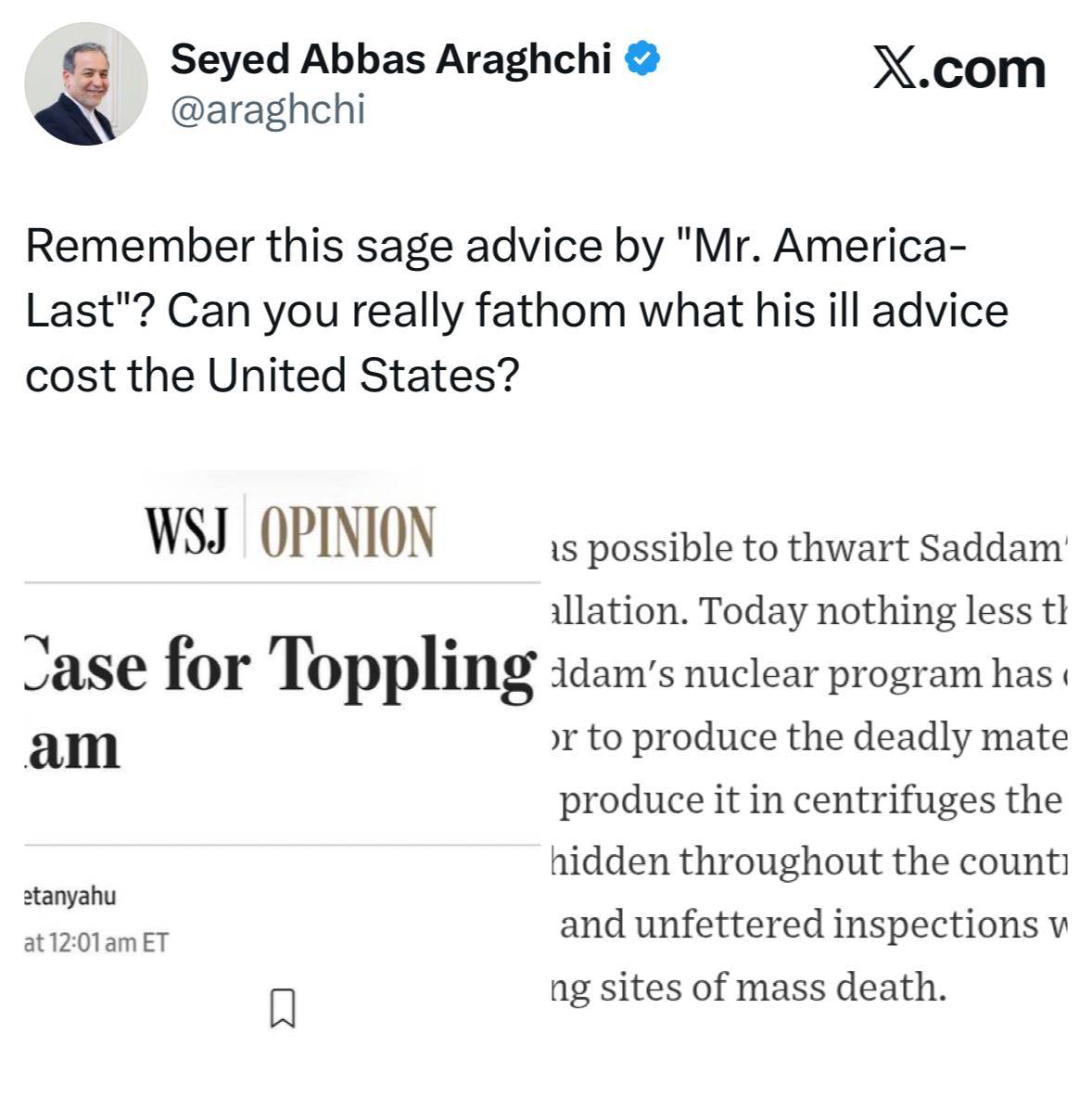
WANA (Feb 05) – Iran’s Foreign Minister has advised U.S. officials not to heed the recommendations of the Israeli prime minister, referring to past consequences of such guidance.
In a post on the social media platform X, the Iranian foreign minister referred to remarks made by Israeli Prime Minister Benjamin Netanyahu, writing: “Remember this sage advice by ‘Mr. America-Last’? Can you really fathom what his ill advice cost the United States?”
Netanyahu, Israel’s prime minister, had previously encouraged U.S. officials to carry out a military attack on Iraq. In a 2002 opinion piece for The Wall Street Journal, he urged Washington to pursue military action based on claims that later proved controversial.
That war, launched on the basis of such assertions, resulted in hundreds of thousands of casualties and cost the United States hundreds of billions of dollars, according to estimates.
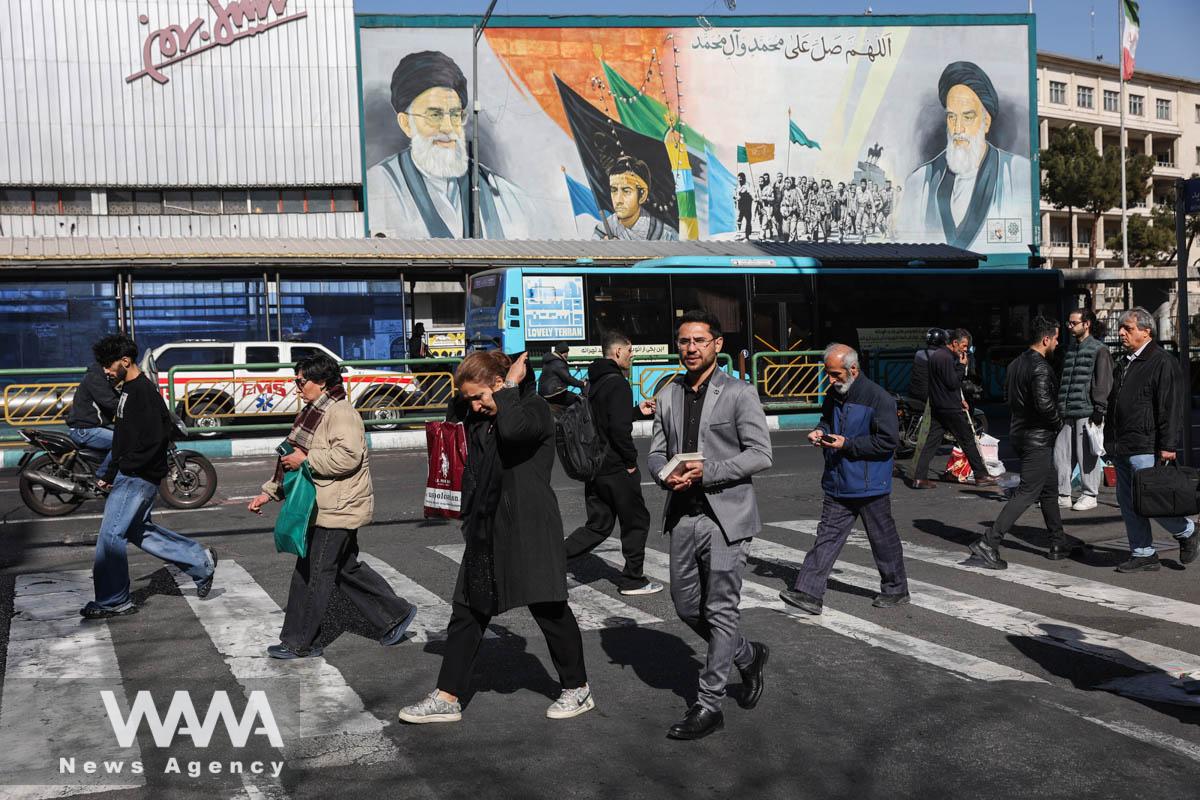
WANA – Our team is closely monitoring the latest developments regarding the possible Iran–U.S.–Israel clash here. IRGC Drone Data Successfully Transmitted to Command Center WANA (Feb 04) – An Islamic Revolutionary Guard Corps (IRGC) drone successfully transmitted surveillance images to its control center before losing communication, according to an informed source. […]