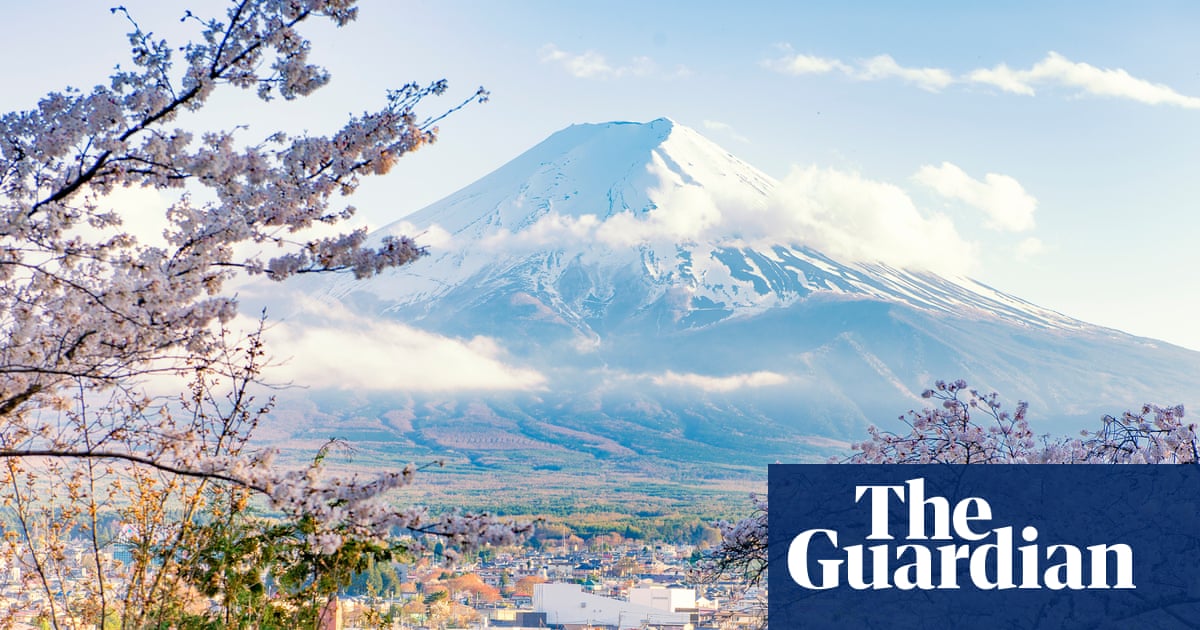
A Japanese cherry blossom festival near Mount Fuji has been cancelled after officials cited a rise in disruptive tourist behaviour.
On Tuesday, officials in the central Japanese city of Fujiyoshida announced they would no longer host the Arakurayama Sengen park cherry blossom festival this year. The weeks-long event has been held for the past decade and attracts about 200,000 tourists annually.
Addressing the cancellation, Fujiyoshida mayor Shigeru Horiuchi said: “Behind [Mount Fuji’s] beautiful landscape is the reality that the quiet lives of citizens are threatened. We have a strong sense of crisis.
“To protect the dignity and living environment of our citizens, we have decided to bring the curtain down on the 10-year-old festival,” he added in his statement.
Authorities cited repeated incidents of disruptive behaviour from tourists in the city, which lies to the west of Tokyo. In addition to “opening private home doors without permission to use the restroom,” officials reported “trespassing, littering,” and tourists “defecating in private yards and raising a fuss when residents pointed this out,” the city said.
Japan’s highest peak Mount Fuji is seen over cherry blossoms in full bloom and a memorial pagoda for war dead at Arakurayama Sengen Park Photograph: Kimimasa Mayama/EPA
Parents have also raised concerns about children being pushed aside on school routes as tourists crowd sidewalks, city officials said, according to Kyodo News.
City officials said the town receives more than 10,000 visitors a day during blossom season, driven by “factors such as the weak yen and the explosive popularity fuelled by social media”.
Despite the festival’s cancellation, its venue – Arakurayama Sengen park – may still attract large April crowds for its views of Mount Fuji, where visitors often queue for hours. To manage the influx, city officials plan to increase security, add temporary parking and install portable toilets.
Cherry blossom season, or hanami (which means looking at flowers), is one of Japan’s most popular travel periods, drawing both domestic and international visitors to parks, temples and scenic spots across the country.
In recent years, tourism in Japan has surged, driven by social media and favorable exchange rates, with iconic sites such as Mount Fuji and Kyoto among the top attractions.