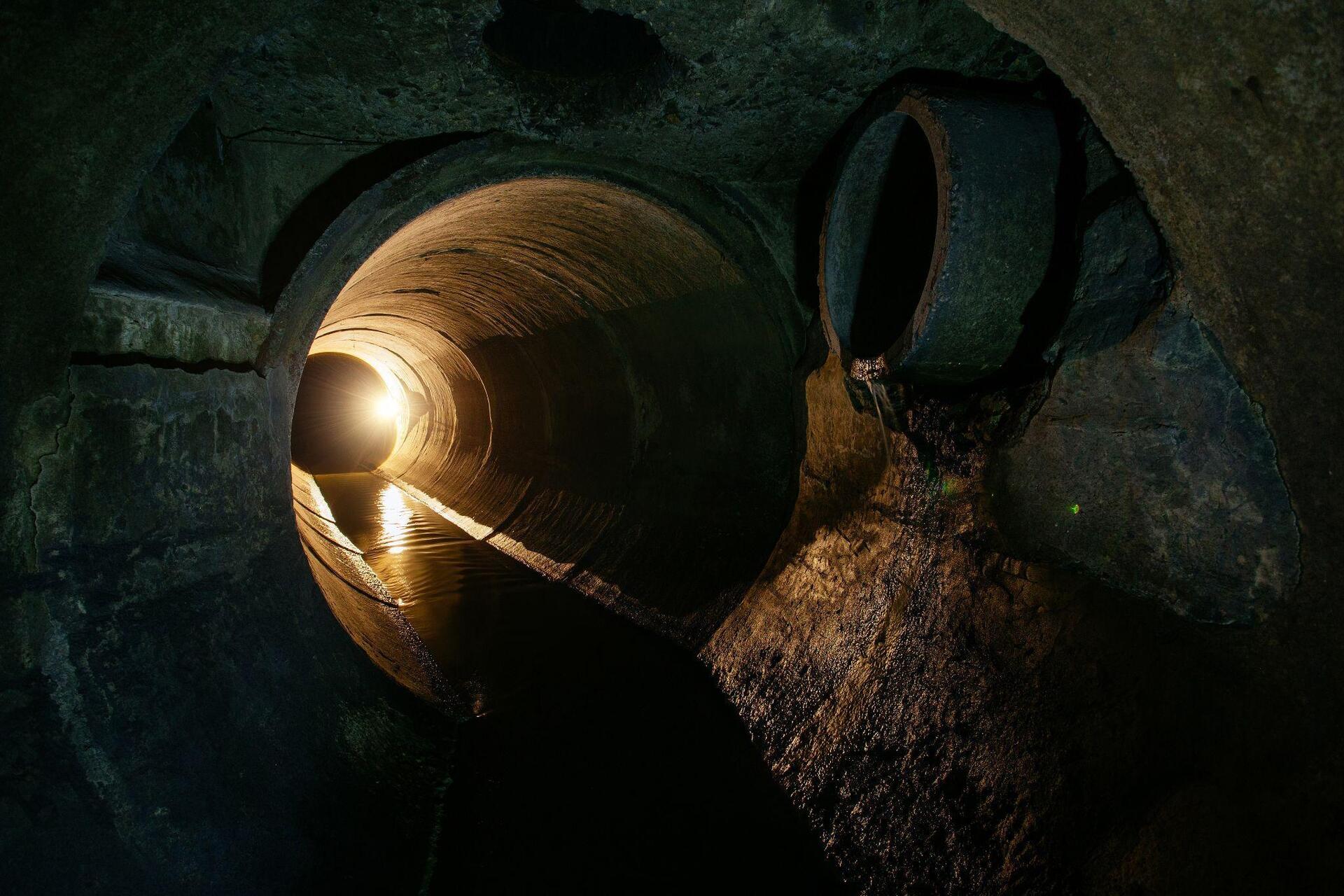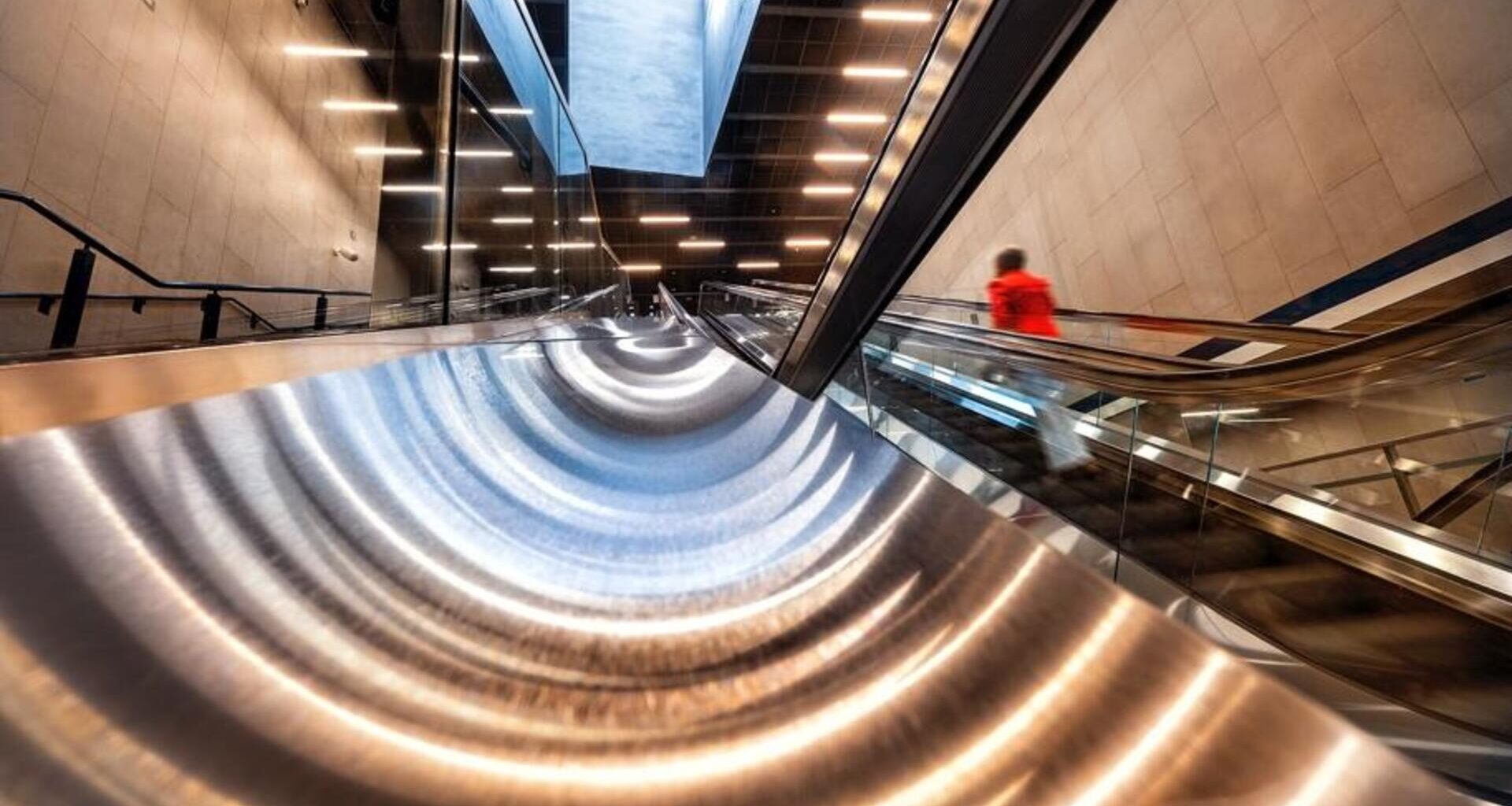
Large infrastructures are not just impressive works: they are the result of decisive advances in materials science. To build bridges and tunnels capable of withstanding extreme stresses, engineering has had to push beyond traditional limits of strength and durability.
Innovative materials and high-performance solutions have made possible infrastructural projects that redefine the boundaries of civil engineering and the relationship between the built environment and nature.
1 – M4 Metro, Milan, Italy
Milan’s new M4 metro line, built by Webuild, is an example of a public infrastructure project that reinvents urban mobility, connecting the city’s eastern and western outskirts and Linate Airport in just 30 minutes through its 15 kilometers of underground track and 21 stations.
Innovative materials and techniques were used in this Milan metro line construction, particularly with regard to environmental sustainability.
Among the cutting-edge methods, artificial freezing of groundwater with liquid nitrogen was employed to secure excavations even in the presence of subterranean water. Additionally, to reduce traffic, excavated soil was transported using conveyor belts within the tunnels themselves, minimizing the number of trucks in the city center.
2 – Gotthard Base Tunnel, Switzerland
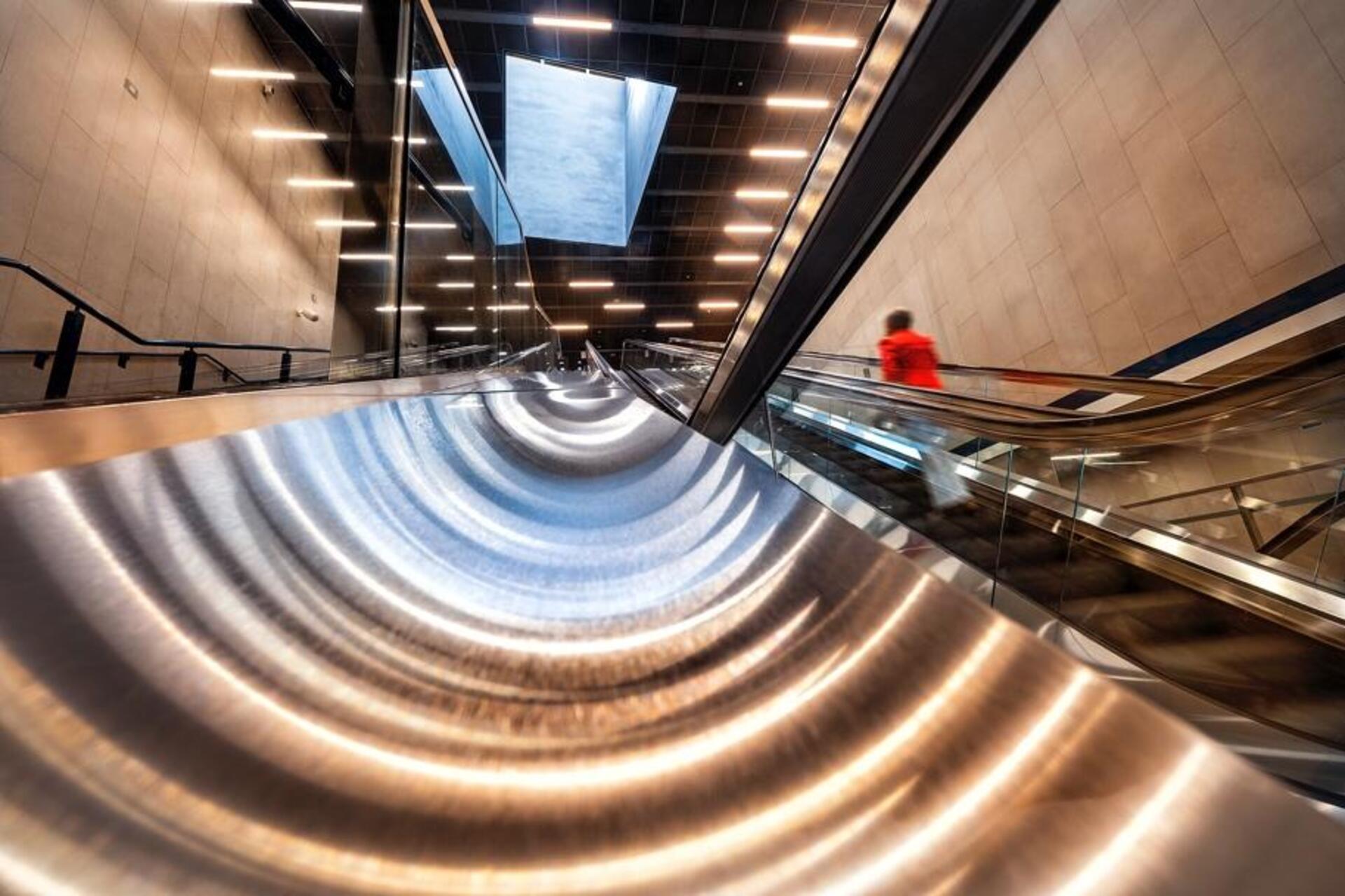
The Gotthard Base Tunnel, in which Webuild completed the Bodio and Faido sections, is a cutting-edge infrastructure project that crosses the Alps with over 57 km of railway tunnel, improving transport connectivity and sustainability between Northern and Southern Europe.
In the context of projects resembling the Gotthard rail tunnel, the use of innovative materials solutions, such as Dramix® steel fibers for concrete reinforcement, has proven capable of significantly reducing CO₂ emissions and material consumption compared to traditional reinforcement techniques, marking an important step toward more efficient and environmentally friendly construction in large underground infrastructures.
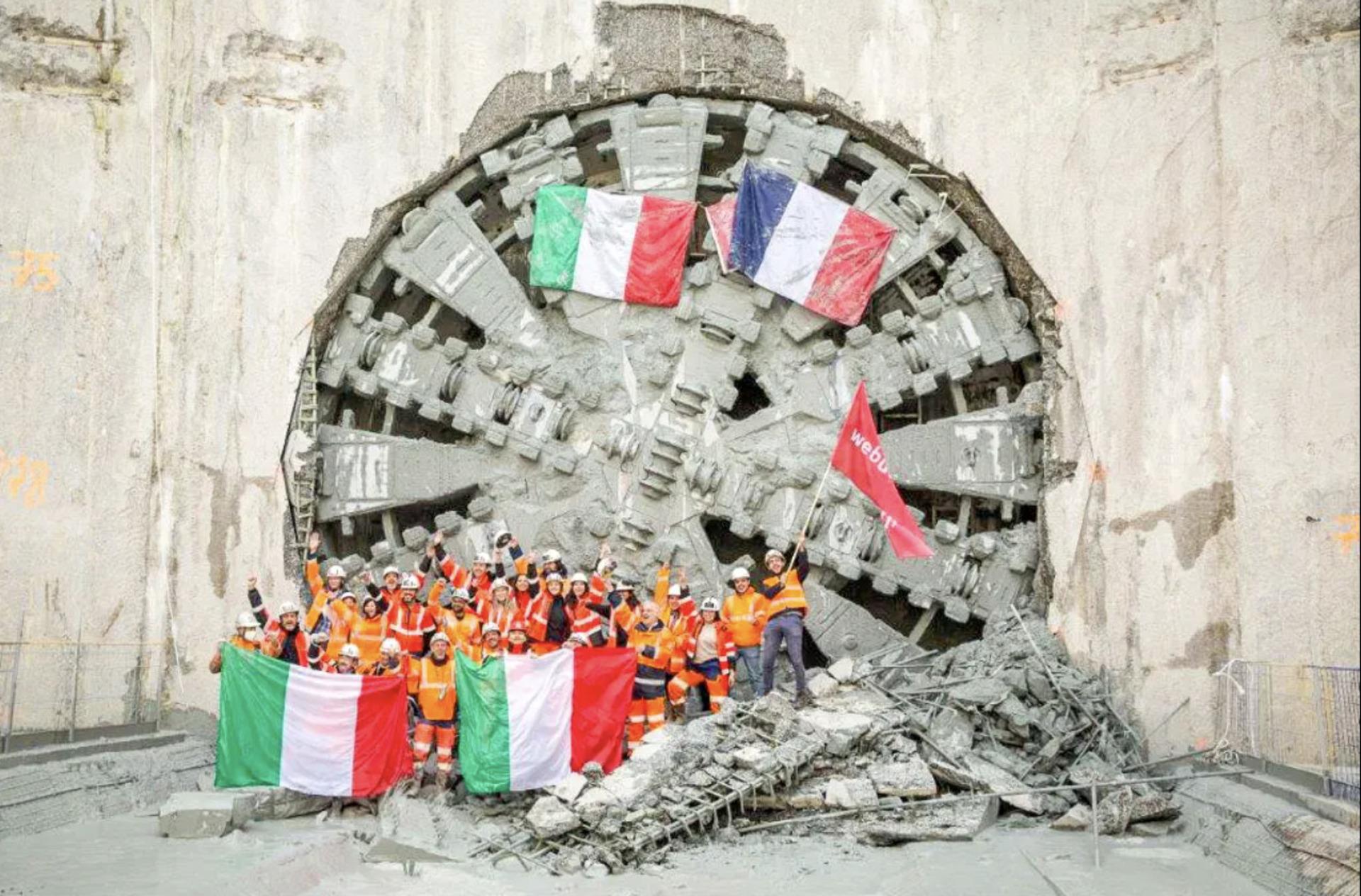
3 – Grand Paris Express Line 16, France
Line 16 of the Grand Paris Express is another example of how innovation in materials science is transforming major infrastructure development.
In Section 2 of this infrastructural project, also delivered by Webuild, the prefabricated tunnel segments were made with concrete reinforced with specialized steel fibers, a solution that enhances structural strength while reducing the amount of traditional reinforcement required. This approach not only speeds up infrastructure construction times but also contributes to greater environmental sustainability.
4 – Hong Kong–Zhuhai–Macau Bridge–Tunnel, China
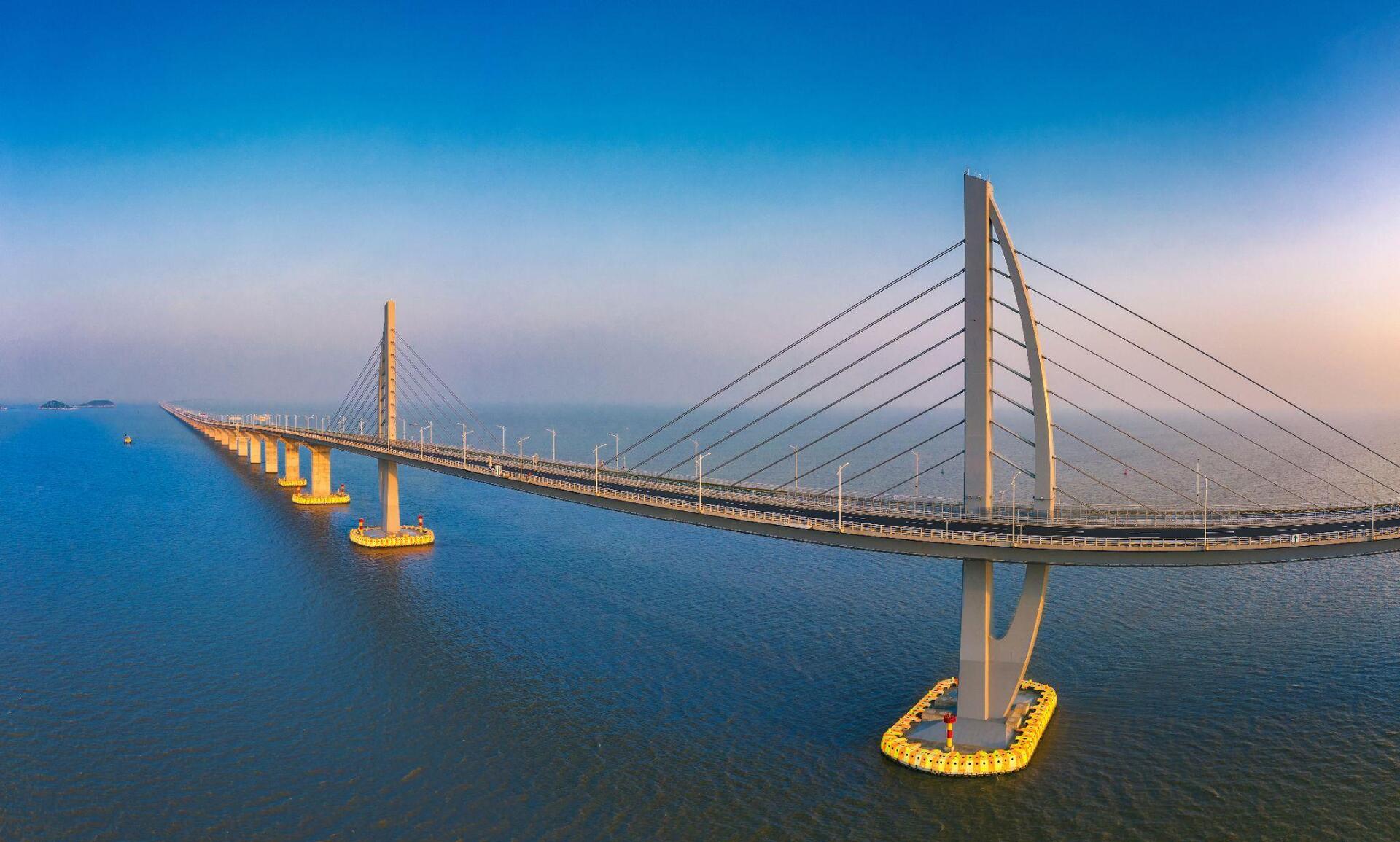
A striking example of how alternative materials are finding their way even into major infrastructure projects comes from the Hong Kong–Zhuhai–Macau Bridge, the world’s longest sea crossing.
Alongside traditional steel and concrete structures, bamboo-based composite panels were used on the artificial link islands, taking advantage of the exceptional mechanical properties and sustainability of this natural resource.
5 – Singapore Sewer System
The Deep Tunnel Sewerage System Phase 2 in Singapore demonstrates how innovation in materials can enable highly complex infrastructure. The 7.9 km of tunnels use concrete resistant to microbiologically induced corrosion, specifically developed to withstand the aggressive conditions inside the sewerage system.
The choice of materials helped deliver a safe, durable, and high-performance structure beneath one of the city’s most densely populated areas.