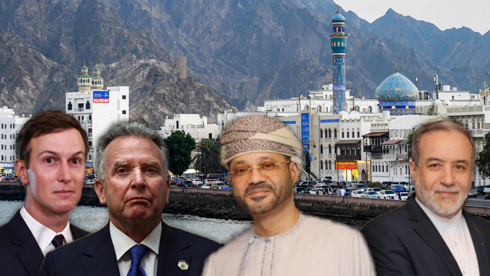
Mediation talks between the United States and Iran concluded Friday in Muscat, the capital of Oman, with Iran’s lead negotiator, Foreign Minister Abbas Araghchi, calling the discussions “a good start.” The two rounds of negotiations were facilitated by Omani Foreign Minister Badr Albusaidi.
Representing the U.S. were special envoys Steve Witkoff and Jared Kushner, joined by U.S. CENTCOM Commander Adm. Brad Cooper—a presence Iranian sources described as a “threat to the talks.”
Omani Foreign Minister Badr Albusaidi facilitates US-Iran nuclear talks in Muscat
(Video: Oman News Agency)


Iranian state media, often reflecting official government positions, reported that the negotiations focused on establishing a framework for future U.S.–Iran discussions, amid heightened regional tensions and speculation that President Donald Trump might order a military strike on Iran. The threat followed Trump’s promise to support protesters killed in Iran and later expanded to include concerns over Iran’s nuclear program.
According to Iranian media, the talks centered specifically on uranium enrichment levels, with Tehran emphasizing its “red line”—the right to enrich uranium on its own soil.
No direct meetings occurred between the Iranian and American delegations. Instead, the sides engaged in shuttle diplomacy, with each team holding separate discussions with the Omani foreign minister: first the Iranians, followed by the Americans, then another round in the same sequence.
Araghchi stated the talks focused solely on the nuclear issue and did not touch on Iran’s ballistic missile program, its regional proxy network or the crackdown on protesters during nationwide demonstrations last month.
6 View gallery
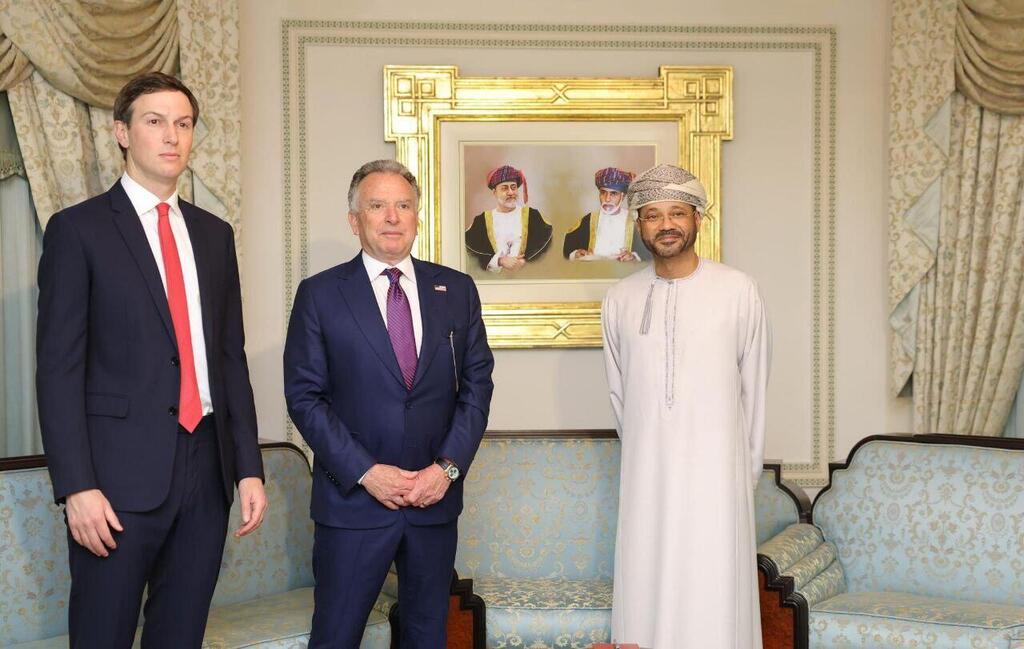
US special envoys Jared Kushner and Steve Witkoff with Omani Foreign Minister Badr Albusaidi
(Photo: Foreign Ministry of Oman)
Iranian television described the atmosphere as “more serious than the previous round.” Araghchi added: “Both sides conveyed their positions clearly. It was a good start, and we agreed to continue the talks. A new date will be set in the coming days. We are now in a trust-building phase, and if we stay on this positive path, we will reach a framework to manage the negotiations.”
Omani Foreign Minister Albusaidi, who mediated the talks, said in a post on X on Friday that the discussions were “very serious” and “useful to clarify both Iranian and American thinking and identify areas for possible progress.”
“We aim to reconvene in due course, with the results to be considered carefully in Tehran and Washington,” he added.
Oman has previously played a key role in facilitating dialogue between the two adversaries, including hosting last year’s talks before the outbreak of the 12-day war between Israel and Iran. According to regional reports, this latest mediation was initiated at Iran’s request, after earlier suggestions that Turkey might serve as host.
6 View gallery
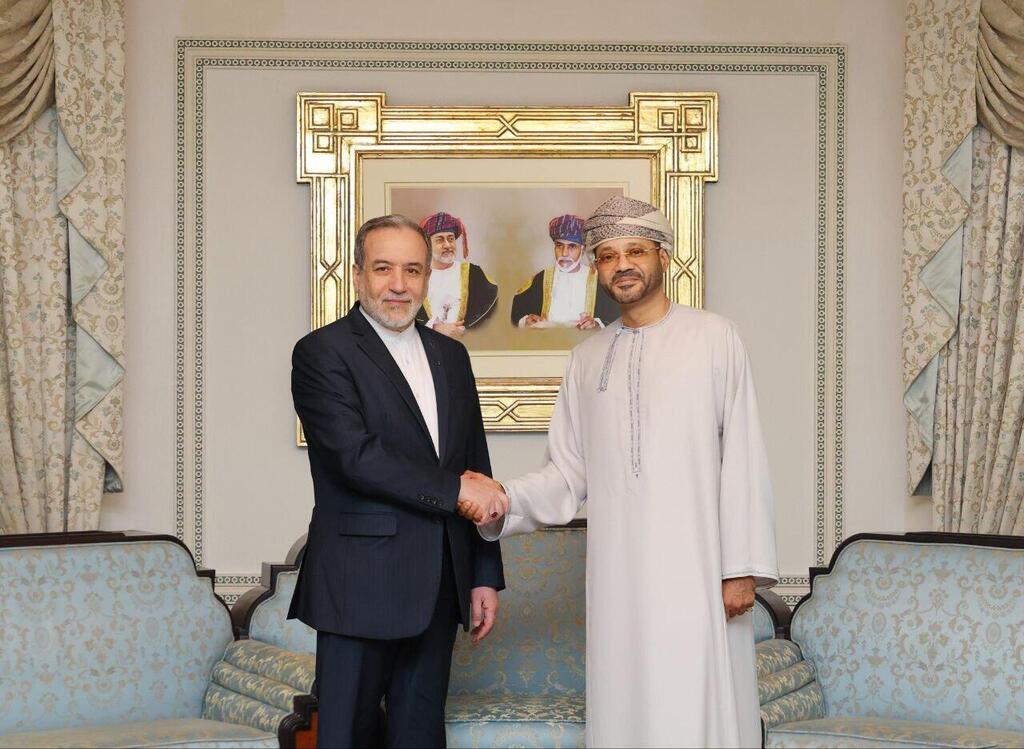
Iranian Foreign Minister Abbas Araghchi with Albusaidi
(Photo: Foreign Ministry of Oman)
Following the talks in Muscat, Araghchi traveled to Doha, where he is scheduled to meet his Qatari counterpart, Mohammed Al Thani.
“We thank the sultan, the Sultanate of Oman and the foreign minister for hosting and facilitating the discussions,” Araghchi told Omani television. “The talks took place in a positive atmosphere, where we were able to exchange views and share our perspectives on the nuclear agreement. I believe this was a good start. We must now return to Tehran to review the issues discussed and prepare for the next round.”
A regional diplomat briefed by Iran confirmed to Reuters that Tehran maintained its stance on the “right to enrich uranium on its own soil.” He also noted that “the U.S. showed flexibility on certain demands,” adding that Iranian officials believe “American envoys now understand Iran’s position on enrichment.” The diplomat said that Iran’s ballistic missile program was not discussed during the talks.
Meanwhile, in a potentially complicating move, the U.S. Treasury Department announced new sanctions Friday on 15 Iranian entities and 14 vessels linked to Iran’s so-called “shadow fleet,” accusing them of participating in illicit oil trade. The sanctions were announced just hours after Iranian media reported “positive” talks and emphasized that Iran’s key demand in the negotiations is the lifting of economic sanctions.
Ahead of Friday’s diplomatic talks in Oman, Araghchi hinted at what derailed previous negotiations — the 12-day war launched by Israel and later joined by the United States, during a time when further talks between him and U.S. envoy Witkoff had been planned.
US President Donald Trump on Iran talks
(Video: Reuters)
“Iran enters diplomacy with open eyes and a steady memory of the past year,” Araghchi wrote. “We engage in good faith and stand firm on our rights. Commitments need to be honored. Equal standing, mutual respect and mutual interest are not rhetoric—they are a must and the pillars of a durable agreement.”
Meanwhile, the New York Times reported, based on satellite imagery, that Iran had “rapidly” repaired several ballistic missile facilities damaged in Israeli strikes in June of last year. The report noted that limited repairs were also carried out at nuclear sites that were hit during the war.
Experts closely tracking Iran’s nuclear and missile programs, cited in the report, said the full scope of the repairs remains unclear, as the satellite images show only above-ground restoration. The activity inside the structures could not be assessed. The report also stated that some repairs took place shortly after the strikes, indicating that Tehran had prioritized missile production in the short term.
Conversely, the report noted that Israeli and Western sources have found only limited signs that Iran has made significant progress in restoring its ability to enrich nuclear fuel or produce a nuclear warhead.
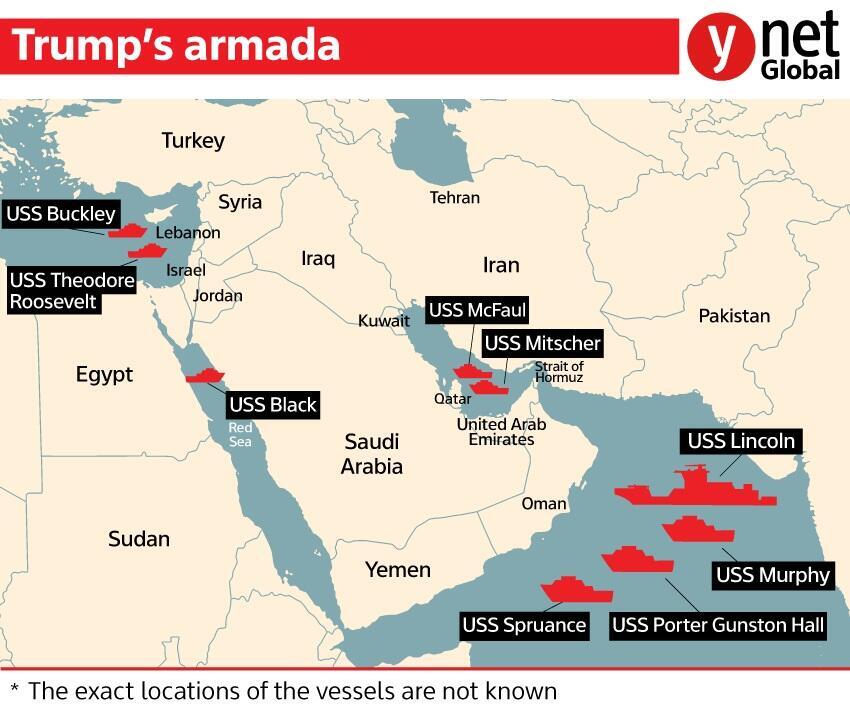
The talks in Oman unfolded against a backdrop of escalating regional tensions, which have intensified in recent weeks. The strain began when Trump promised Iranian protesters that “help is on its way.” While that promise has yet to materialize, Trump has instead dispatched what he described as a “big armada” to the region — a naval force that includes the aircraft carrier USS Abraham Lincoln and eight destroyers.
6 View gallery
6 View gallery
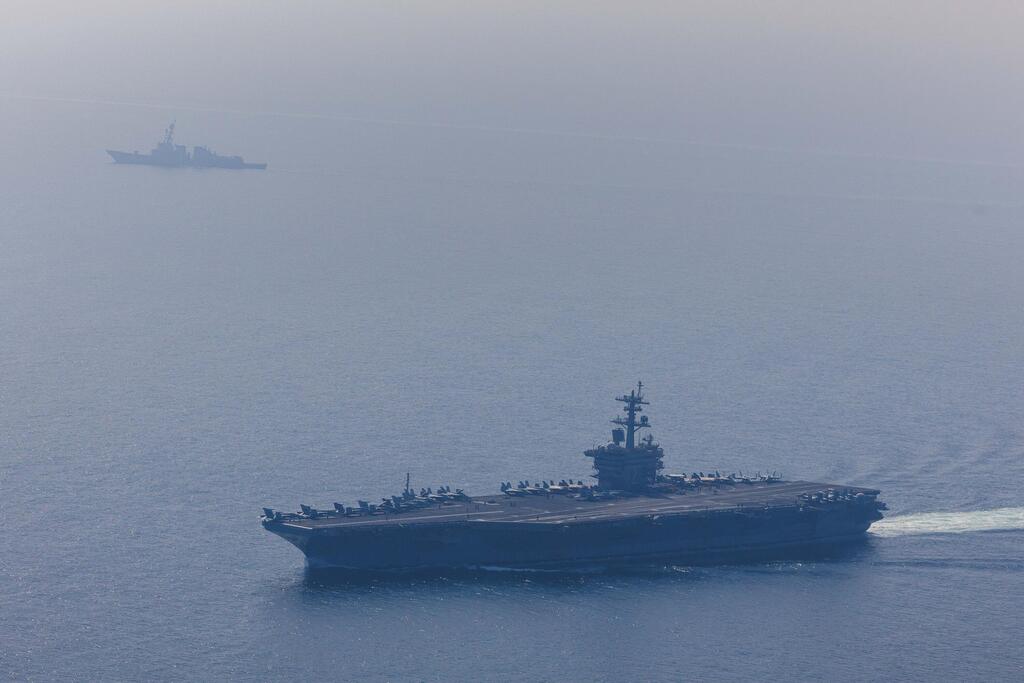
Aircraft carrier USS Abraham Lincoln
6 View gallery
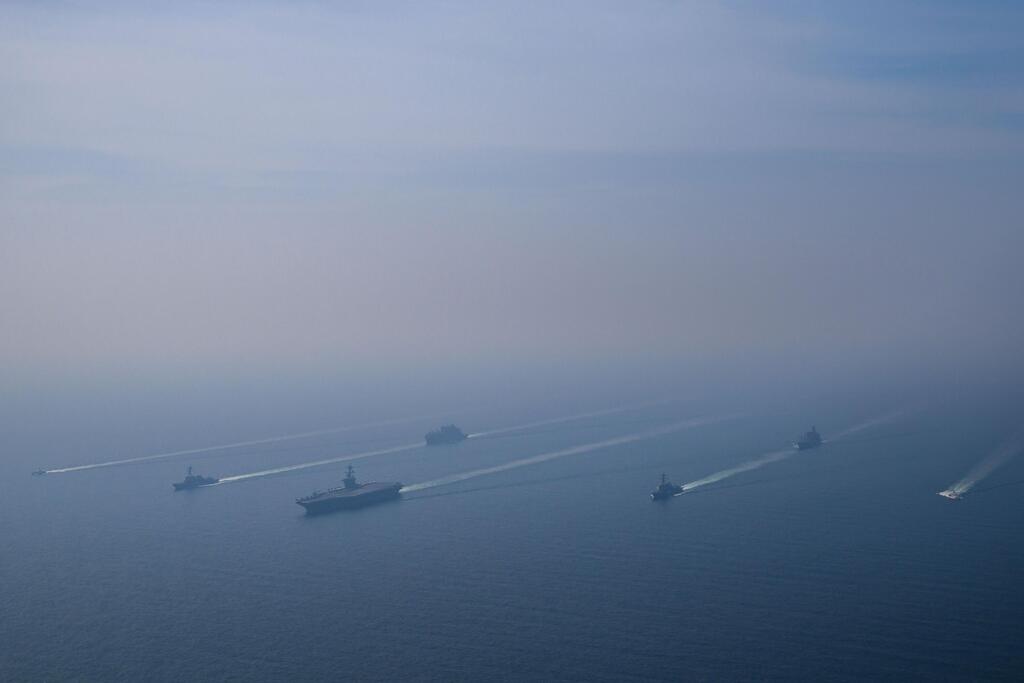
The Abraham Lincoln Carrier Strike Group
6 View gallery
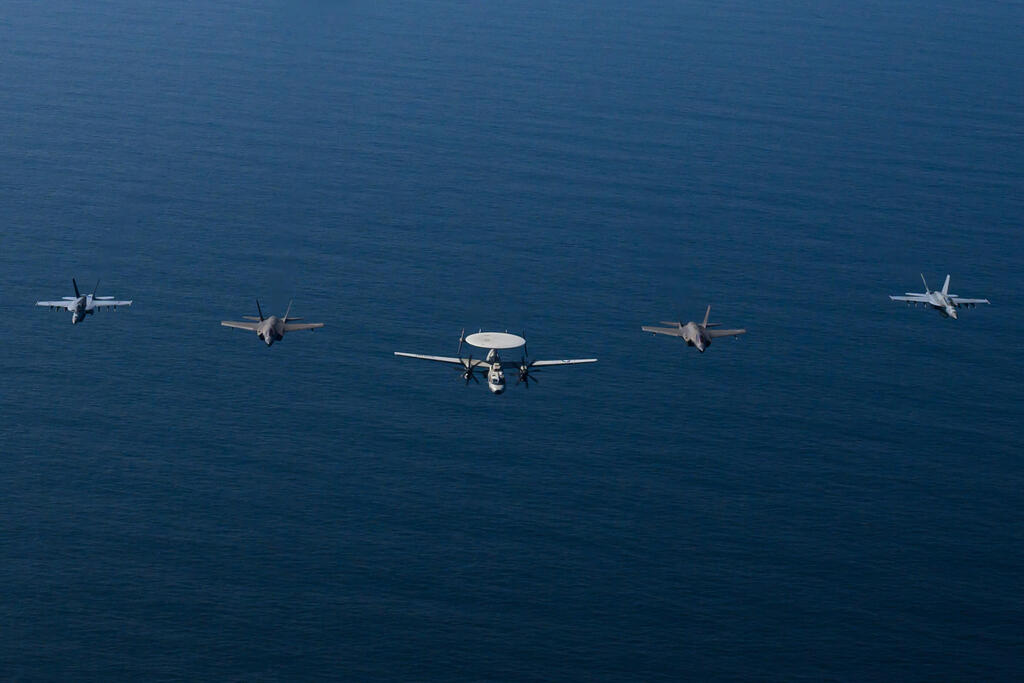
The Abraham Lincoln Carrier Strike Group
Trump has threatened military action against the Islamic Republic if it does not swiftly reach a deal with the United States — one that, in effect, would leave the clerical regime intact. Although Trump has not specified a deadline for the negotiations, he has warned, “Time is running out,” and issued a direct threat to Supreme Leader Ali Khamenei earlier this week: “He should be very concerned.”
NBC News reported Friday night that Trump has not yet given operational orders regarding the naval strike group, and it remains unclear what specific outcome he seeks from any potential military action. U.S. officials cited in the report said the Lincoln and accompanying warships are now moving into strike range of Iran. However, they emphasized the deployment is meant as a response to rising tensions — not yet for a defined mission.
According to the report, the United States also has more than 450 Tomahawk cruise missiles aboard ships in the Middle East, which could be used should Trump authorize a military operation against Iran.