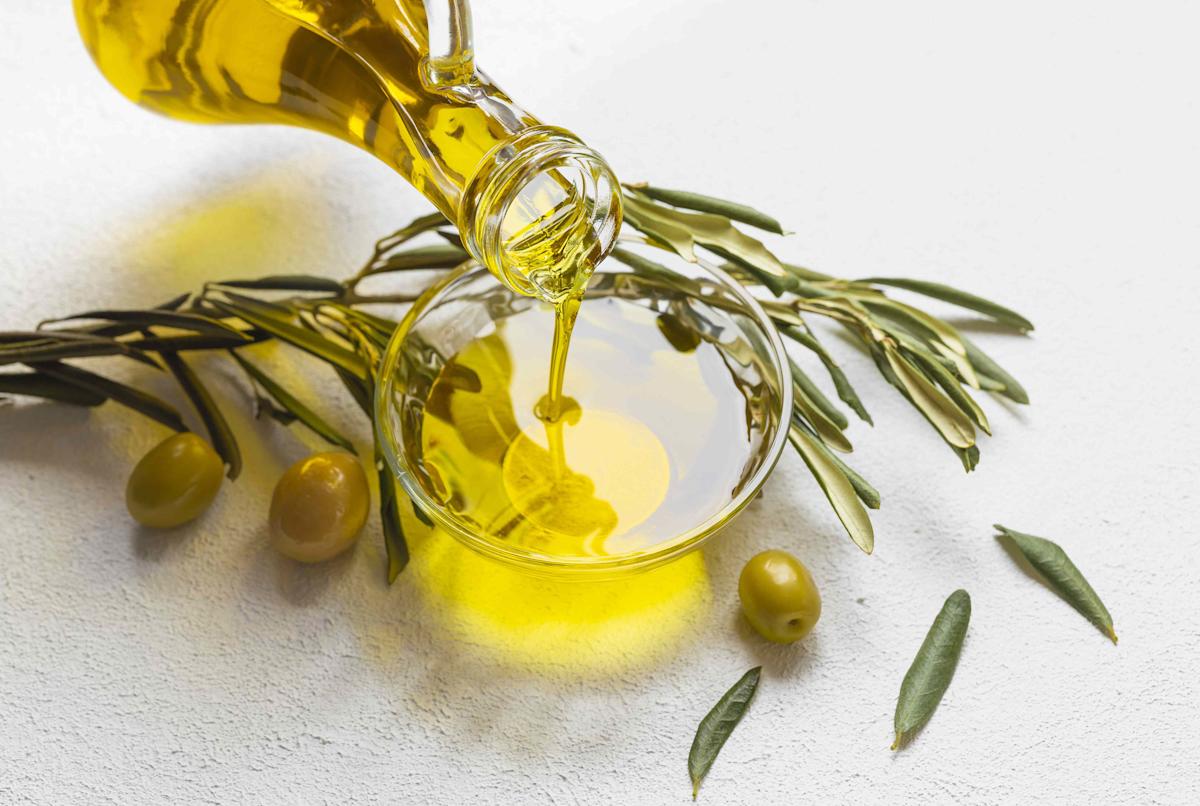
Olive oil is expensive by nature, with years-long tree cultivation, labor-heavy harvesting, low yields, and steady global demand.
There’s a wide quality gap between mass-produced olive oil and true extra virgin, and that difference is usually reflected in price.
Climate-driven harvest swings and trade policies are layering new costs onto an already expensive staple.
Olive oil has always been an expensive product, long before recent price increases caught shoppers’ attention. What many consumers don’t realize is that those higher prices are baked into how olive oil is made—and newer global pressures are now pushing prices even higher.
Olive trees aren’t like other crops. They take years to mature, require significant space, are harvested just once a year, and produce relatively little oil per tree. According to insiders, roughly 10 pounds of olives are required to produce just one liter of oil, and a single tree might yield 30 to 50 pounds in a good year.
Producing olive oil is also labor-intensive. For the best quality, the fruit is picked by hand and using poles—a slow, time-consuming process. The olives must then be pressed quickly after harvest using expensive machinery and skilled labor. All of this makes olive oil production both costly and unpredictable.
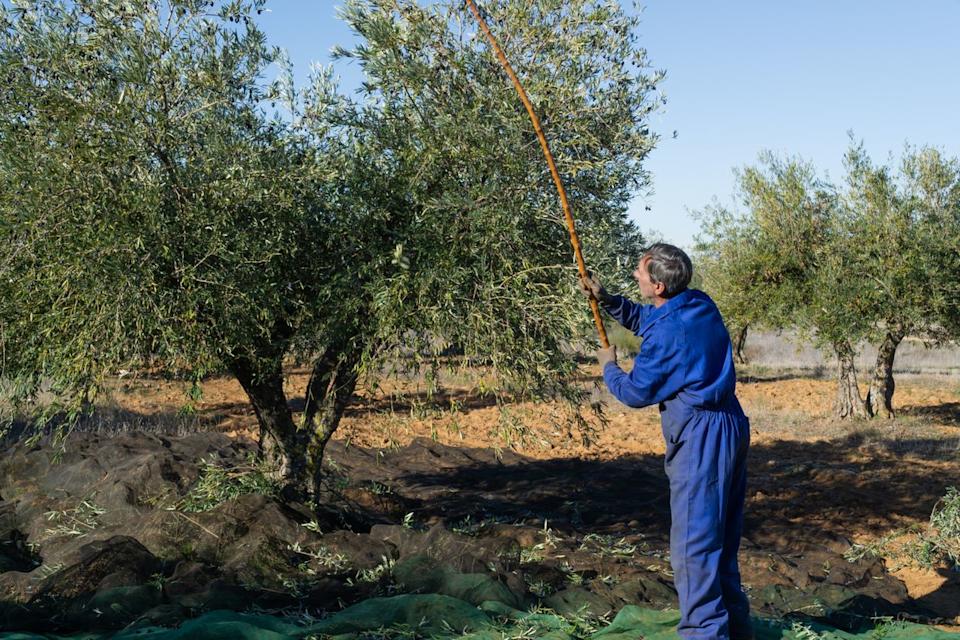
Hand-harvesting olives with long poles is labor-intensive but helps preserve quality for premium olive oil.
Angel Lara Diaz / Getty Images
Demand, meanwhile, remains strong. In many countries, olive oil is a kitchen staple, and its uses extend beyond cooking into other areas, including cosmetics, soaps, and even medicines. When demand for a product is consistently high while supply is limited and vulnerable to disruption, prices face persistent upward pressure.
Understanding olive oil pricing helps consumers make more informed choices about quality, value, and what they’re actually paying for.
Another thing you’ll likely notice is the huge price variations of olive oil on supermarket shelves. Sadly, it’s not a case of some vendors sacrificing margins for higher sales. Usually, price reflects quality.
“Small farms … focus on quality over quantity, which means accepting lower yields in exchange for better flavor and higher polyphenol content,” said Patrick Martin, owner of Frantoio Grove, a regenerative organic-certified olive farm and mill in California. “Industrial operations, by contrast, often harvest mechanically and blend oils from multiple sources to maximize volume and minimize cost.”
The best producers, Martin claims, pick individual olives at their peak and harvest them immediately at carefully controlled temperatures to preserve flavor and the fruit’s healthy compounds. Other producers, Martin says, leave olives sitting, which can lead to a rancid taste, then take shortcuts and rush the process of turning them into oil.
Story Continues