2026-02-08T15:53:06+00:00
font
Enable Reading Mode
A-
A
A+
Shafaq News- Baghdad
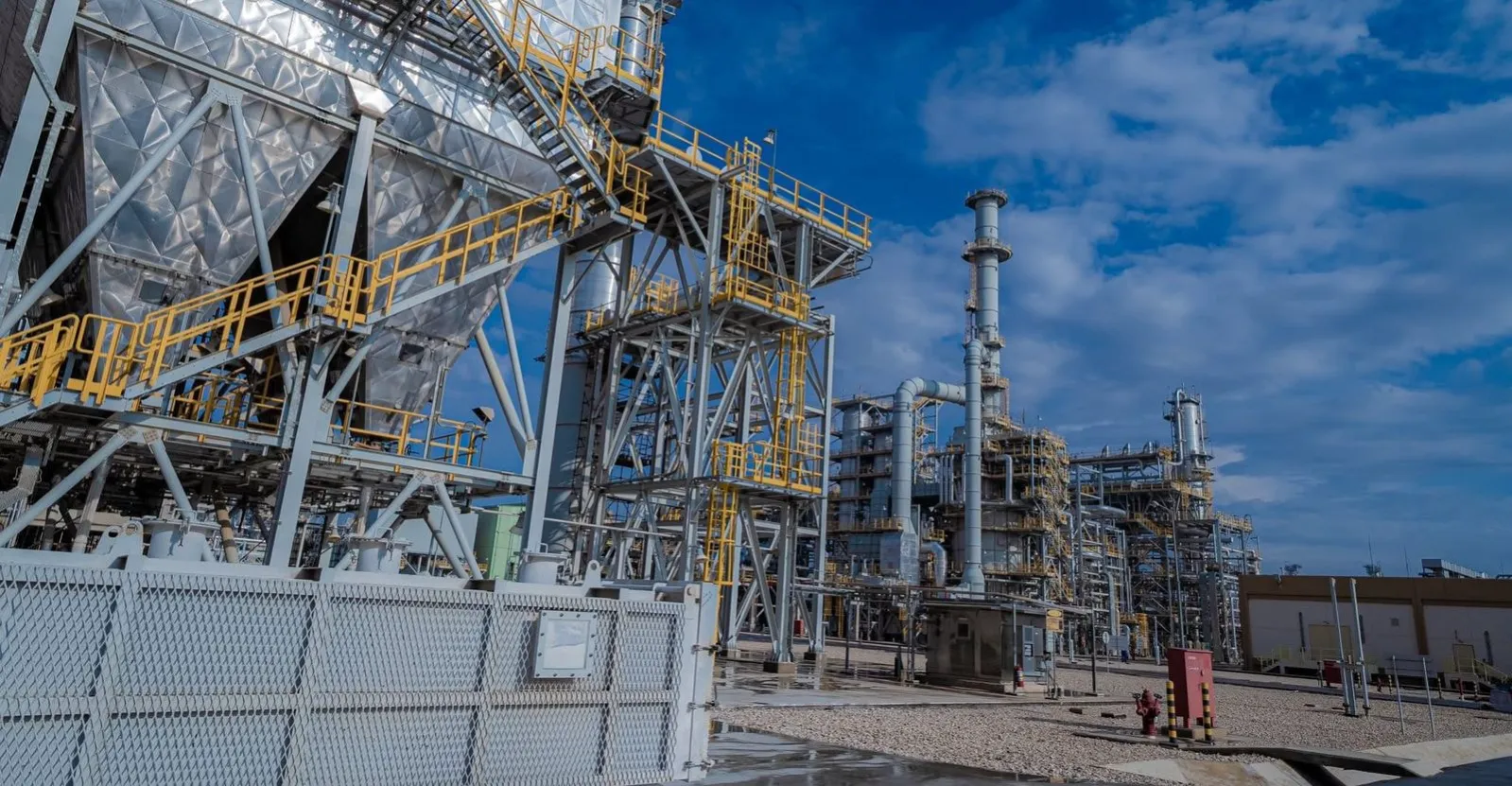
Iraq has brought new refineries into operation at full
production capacity, the Oil Ministry said on Sunday, clarifying that this move
has contributed to classify the country among producers of high-quality
petroleum products.
In a statement by the ministry, the Deputy Oil Minister for
Refining Affairs, Adnan Mohammed Hamoud, said Iraq inaugurated Salahaddin
Refinery-3 and North Refinery-2 with a combined capacity of 140,000 barrels per
day, alongside commissioning an FCC (fluid catalytic cracking) unit at the
Basra Refinery with a capacity of 35,000 barrels per day, and a hydrotreating
and gasoline upgrading unit in Kirkuk with a capacity of 11,000 barrels per
day.
The projects aim to strengthen self-sufficiency in white oil
products, including gasoline, kerosene, and gas oil, he noted, adding that they
enabled Iraq to operate the Karbala Refinery at 100% capacity, and to produce
petroleum derivatives that meet Euro 5 specifications, shifting the country
from a consumption phase to export.
Additionally, the ministry is moving to complete and
commission the hydrotreating and gasoline upgrading unit at the Al-Sumoud
Complex, operated by the North Refineries Company, in the coming days.
Iraqi caretaker Prime Minister Mohammed Shia Al-Sudani has
announced that Iraq aims to export refined oil products to global markets by
2030. Authorities formally halted fuel imports in November after achieving
self-sufficiency in gasoline, diesel, and kerosene.
Iraq, OPEC’s second-largest producer, continues to rely
heavily on imports due to challenges such as security threats, political
instability, aging infrastructure, and resource depletion. Gas flaring and
opaque contracts further complicate its energy sector, driving higher demand
for refined oil products.