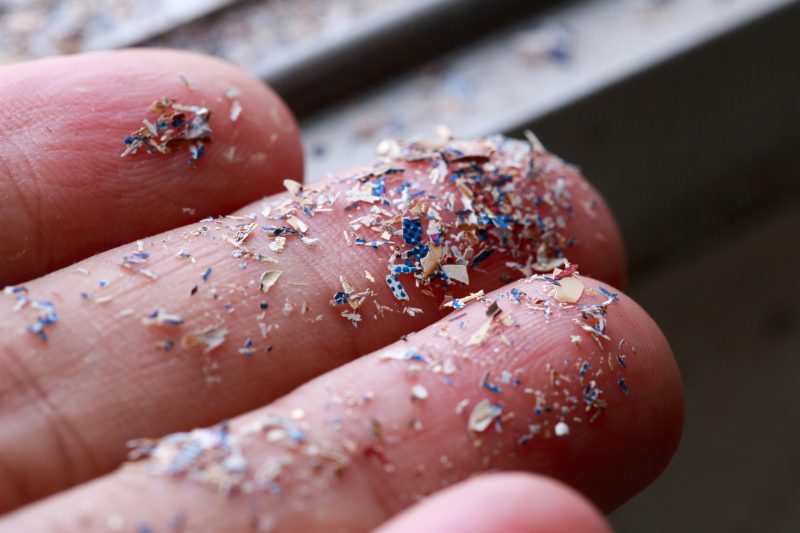
GREEN BAY, Wis. (WFRV) – We often hear the word microplastics thrown out, but what exactly are they?
Sustainably Speaking: Department of Natural Resources sees significant food waste in Wisconsin homes
Microplastics and nanoplastics are small plastic particles that are found just about everywhere within our environment. This includes the water we drink, the air we breathe, the food we eat—every part of everyday life interactions.
These exposures deeply affect human life as well, due to it being such a heavy factor within local environments. Microplastics have been found in numerous human organs as well as tissues.
Unfortunately, little is known about the health effects of microplastics within the human body, but there are three primary concerns. This includes “foreign objects”, their toxic additives and their absorption of pollutants, leading to possible abnormal effects on cells/tissues.
These concerns can lead to abnormal effects on cell and tissue function.
It’s not easy to reduce the microplastics we use or see daily, but it is one that is becoming a primary focus for waste management. This must first start at a large scale, with recycling facilities and water cleanups.
This is especially difficult because not only are microplastics hard to remove, but they are sometimes actually impossible to remove with current technology.
One of the largest contributors is synthetic clothing. Fabrics like polyester, nylon and acrylic release thousands of microfibers once they are washed. Choosing natural fibers such as wool cotton, or linen helps reduce shedding. Washing clothes less frequently, using cold water and running full loads can also help make a difference.
Single-use plastics are a major source too, like plastic bags, bottles, wrappers and takeout containers, as each eventually turns into smaller pieces. Choosing reusable water bottles and reusable bags can reduce microplastic production.
Even small steps like using bar soap instead of liquid soap in plastic bottles can add up over time, but it’s important to be cautious, as personal care products can often have hidden contributors that one may not be aware of.
Microbeads are banned in most areas, but some products still contain plastic-based ingredients. Reading labels and choosing products with natural exfoliates such as sugar, salt or oatmeal can help reduce plastics going down the drain.
Another one of the largest contributors is one that you likely use every day to get to work. Tires are a hidden contributor, but when vehicles drive, tiny rubber and plastic particles wear off and wash their way into storm drains when it rains.
We cannot eliminate this, but by maintaining proper tire pressure as well as supporting greener transportation, we can reduce overall wear.
Click here for more Sustainably Speaking stories!
Supporting local and regional efforts such as community cleanups, proper recycling and policies to reduce plastic waste can play a large role in keeping microplastics out of our environment.
Microplastics may be small; however, their impact is not. By making mindful choices and staying informed, we can all play a part in protecting our water, wildlife, and overall health for generations to come.
Copyright 2026 Nexstar Media, Inc. All rights reserved. This material may not be published, broadcast, rewritten, or redistributed.