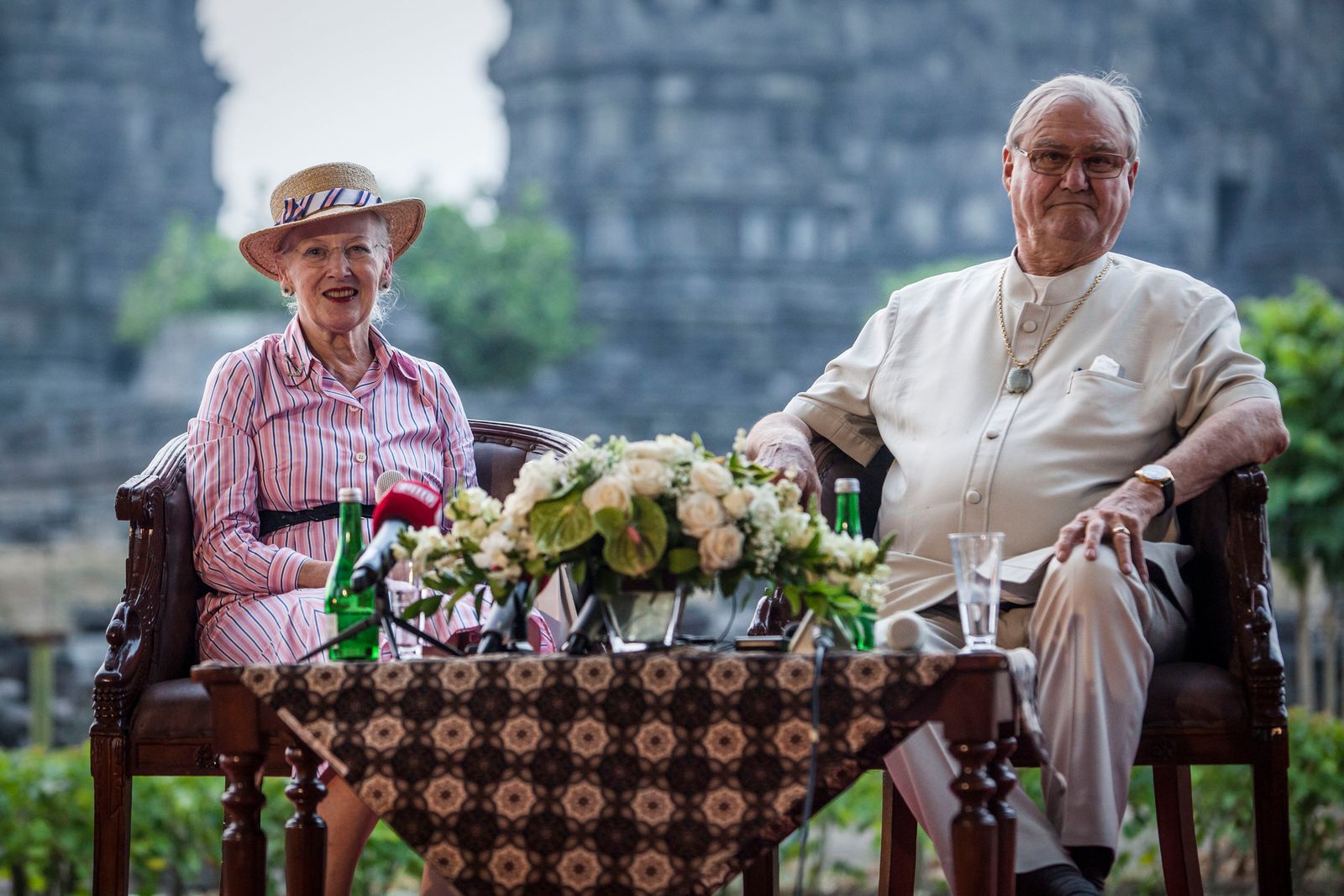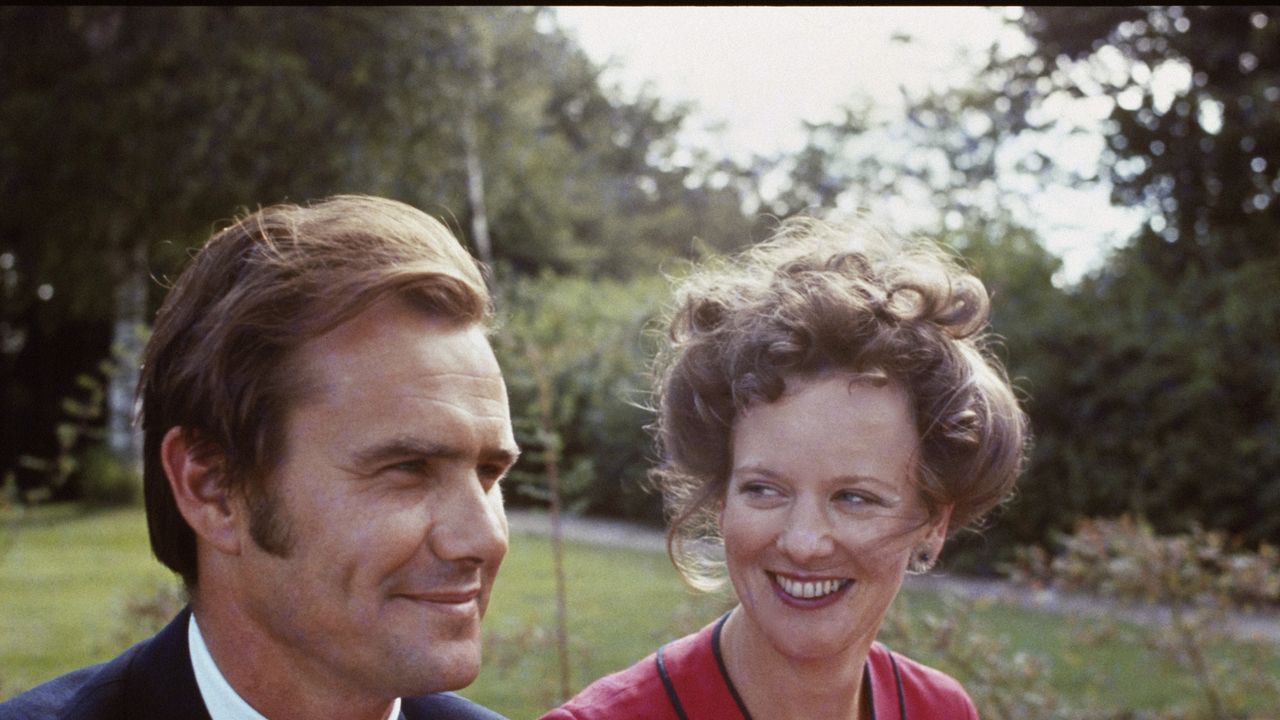
‘For many years, I have been Denmark’s number two. I’ve been satisfied with that role, but I don’t want to be relegated to number three,’ the Prince told the tabloids at the time, adding that he felt ‘pushed aside, degraded and humiliated’ by the Palace. Prince Henrik did not join his wife at the wedding of King Willem-Alexander and Queen Maxima of the Netherlands, and Margrethe was forced to fly out to France to meet him.
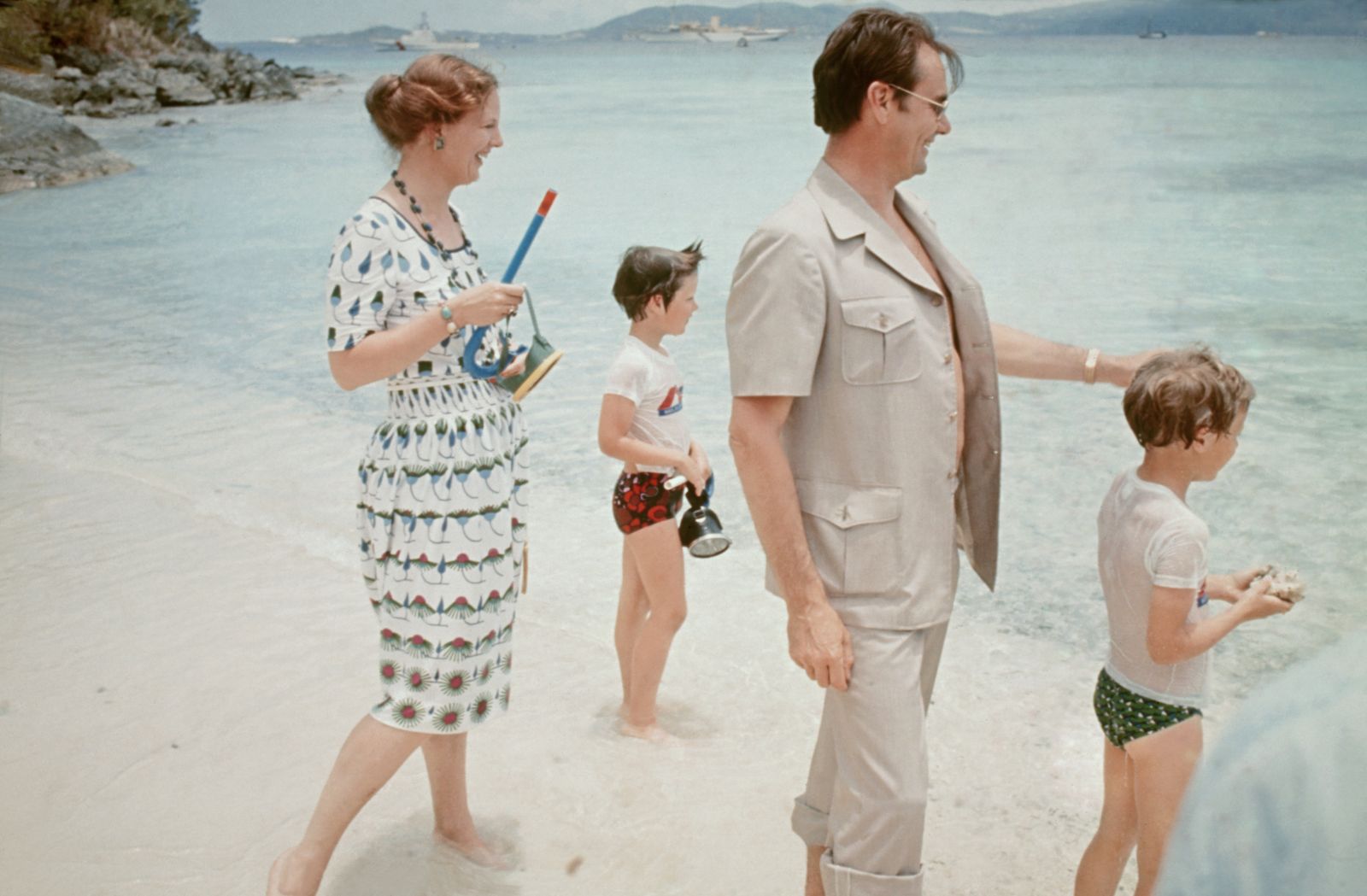
His desire for recognition was placated in 2008, when his youngest son, Prince Joachim, was given the new title ‘Count of Monpezat’ ahead of his marriage to Marie Cavallier. Queen Margrethe decreed that the title would be hereditary for the male-line descendants, and Joachim’s children – Henrik, Nikolai, Felix, and Athena – are all known now as Counts and Countesses of Monpezat after being stripped of their prince and princess titles.
‘The Queen and the Prince Consort have considered this for quite some time, and it has led to the belief that it was the right thing to do,’ Margrethe’s private secretary said at the time. Prince Henrik had been pushing for the change since 1996, when he wrote in his memoir that ‘the future sovereign will perhaps receive approval to see “Monpezat” added to the dynastic name of “Oldenburg-Glücksburg”’. In 2005, just after the birth of Frederik’s son, now Crown Prince Christian, Henrik told Point de Vue of his pride in Monpezat being added to the future king’s name: ‘It is a great joy for me that his French roots will also be remembered.’