For much of modern history food was treated as a domestic economic concern rather than a strategic instrument.
Governments focused on farm subsidies price controls and rural development while assuming that global trade would smooth out shortages and stabilize markets. That assumption no longer holds.
In the twenty first century food security is becoming a central factor in international politics and in some cases a deliberate source of leverage. Climate stress conflicts supply chain disruptions and strategic trade policies are converging to turn food into a tool that can influence governments shape alliances and destabilize societies.
Food differs from many other strategic resources because it affects populations directly and immediately. When energy prices rise industries complain and inflation follows but when food prices spike households feel the pressure at once. Public anger builds quickly and governments lose room for maneuver. This immediacy makes food a powerful geopolitical variable even when shortages are limited or temporary. States that can influence food flows gain quiet but significant power over others.
Food security refers to reliable access to sufficient affordable and nutritious food. It rests on four pillars availability access utilization and stability. If any of these pillars weakens political consequences follow. Availability can be disrupted by drought floods or conflict. Access can be undermined by price volatility or income shocks. Utilization depends on infrastructure and health conditions. Stability requires predictability over time. Geopolitics enters the picture when states or external actors affect one or more of these pillars beyond their own borders.
Several long term trends explain why food has become more politicized. Climate change is the most visible driver. Rising temperatures shifting rainfall patterns and more frequent extreme weather events are reducing agricultural predictability. Droughts cut grain yields floods destroy harvests and heat stress affects livestock. These impacts are unevenly distributed leaving some regions chronically vulnerable while others retain surplus. Climate change does not just reduce production it increases uncertainty which is corrosive for global markets.
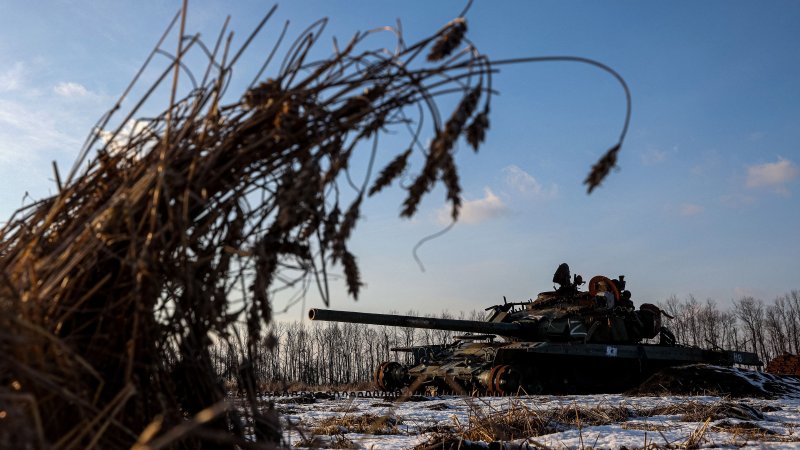
Conflict is another major factor. Modern wars increasingly disrupt agriculture directly. Fields are damaged farmers displaced and infrastructure destroyed. Ports storage facilities and transport routes become targets or fall into disrepair. Even limited conflicts can remove large volumes of food from global markets if they affect major producing regions. The effects are magnified when insurance costs rise and traders withdraw from risky routes.
Global food supply chains have also become more interconnected and therefore more fragile. Many countries rely heavily on imports for staple foods. This dependence was manageable when markets were stable and trade was predictable. It becomes a liability when exporters impose restrictions or logistics are disrupted. Concentration of production in a small number of exporting countries increases vulnerability for import dependent states.
Trade policy has shifted as well. In times of stress governments often impose export bans or quotas to protect domestic consumers. These measures are politically attractive at home but destabilizing internationally. When one exporter restricts shipments others may follow creating a cascade effect that drives up prices even if global production is adequate. Food becomes scarce not because it does not exist but because it is withheld.
Certain commodities carry particular geopolitical weight. Grains such as wheat corn and rice provide the bulk of global calories. Vegetable oils are essential for both food and industrial use. Animal feed determines meat and dairy availability. Fertilizers deserve special attention because they influence future harvests rather than current supply. Fertilizer shortages or price spikes reduce yields months later prolonging crises and amplifying volatility. Control over fertilizer exports can therefore shape agricultural outcomes well beyond the immediate moment.
Fertilizer highlights how food security extends beyond farms. Fertilizer production depends on energy and mineral inputs. Disruptions in energy markets or mineral supply chains quickly affect agriculture. This interdependence links food security to energy security and resource politics. States that dominate fertilizer production or inputs gain indirect leverage over food systems worldwide.
Price volatility is one of the most destabilizing aspects of food insecurity. In many societies food accounts for a large share of household spending. Even modest increases strain budgets and trigger public anger. Urban populations are particularly sensitive because they rely entirely on markets rather than subsistence production. History shows that food price spikes often precede protests and political upheaval. Governments respond with subsidies or price controls which strain public finances and distort markets. Persistent volatility erodes trust and deepens polarization.
Food insecurity also shapes foreign policy behavior. Import dependent countries seek reliable suppliers and diversify trade partners. Food exporters gain diplomatic influence and may tie shipments to broader political or economic cooperation. Agricultural agreements increasingly resemble strategic partnerships rather than commercial contracts. Food aid and concessional sales can strengthen alliances but also create dependency.
National security planners now treat food security as part of overall resilience. Hunger and instability can fuel migration extremism and internal conflict. Military operations depend on stable supply chains for personnel and populations alike. A society under food stress has less capacity to absorb shocks or sustain prolonged crises. Food security therefore intersects with defense planning even in countries far from famine conditions.
Technology offers partial solutions but also introduces new divides. Precision agriculture data driven logistics and improved crop varieties can raise yields and reduce waste. However access to these technologies is uneven. Intellectual property restrictions and export controls can create new dependencies. Technology does not eliminate political incentives to manipulate food supply but it can change who benefits and who remains vulnerable.
Urbanization intensifies food related risks. As populations concentrate in cities dependence on supply chains grows. Disruptions affect urban centers first and most visibly increasing political pressure. Rural areas may have subsistence buffers but cities do not. Governments whose legitimacy rests on urban populations are especially sensitive to food shocks.
Food insecurity is also a driver of migration. When rural livelihoods collapse due to climate stress price volatility or conflict families move in search of stability. Internal migration strains urban services while cross border flows increase regional tension. Food insecurity thus becomes both a cause and a consequence of political instability.
Unlike energy food carries a strong moral dimension. Using food as leverage attracts international condemnation yet subtle forms of weaponization often escape scrutiny. Export restrictions aid conditionality and pricing strategies operate within legal frameworks while producing strategic effects. This ambiguity makes food a particularly effective but dangerous instrument.
International institutions attempt to monitor markets coordinate aid and provide early warning but their enforcement power is limited. National interests often override multilateral commitments during crises. Cooperation can mitigate risks but it requires trust transparency and long term investment which are often in short supply.
Complete self sufficiency is unrealistic for most states due to climate and resource constraints. Trade remains essential. The challenge is building resilience through diversification strategic reserves and adaptive capacity rather than isolation. Balanced integration reduces vulnerability without sacrificing efficiency.
The geopolitical importance of food will continue to grow. Climate change is intensifying competition over land water and inputs. Conflicts remain frequent and supply chains fragile. Political incentives to prioritize domestic stability over global cooperation persist. In this environment food will increasingly function as both sustenance and leverage.
Food security is no longer a background condition of global stability. It is a frontline issue shaping diplomacy politics and security. States that recognize this reality and invest in resilient food systems will be better prepared for an era where control over calories can influence outcomes as decisively as control over energy once did. Those that ignore it may discover that hunger and instability travel faster across borders than any army or sanction.