
WANA – Our team is closely monitoring the latest developments regarding the new round of Iran–U.S. nuclear talks here.
Trump Says He Will Take Part “Indirectly” in Iran Talks Ahead of Second Geneva Round
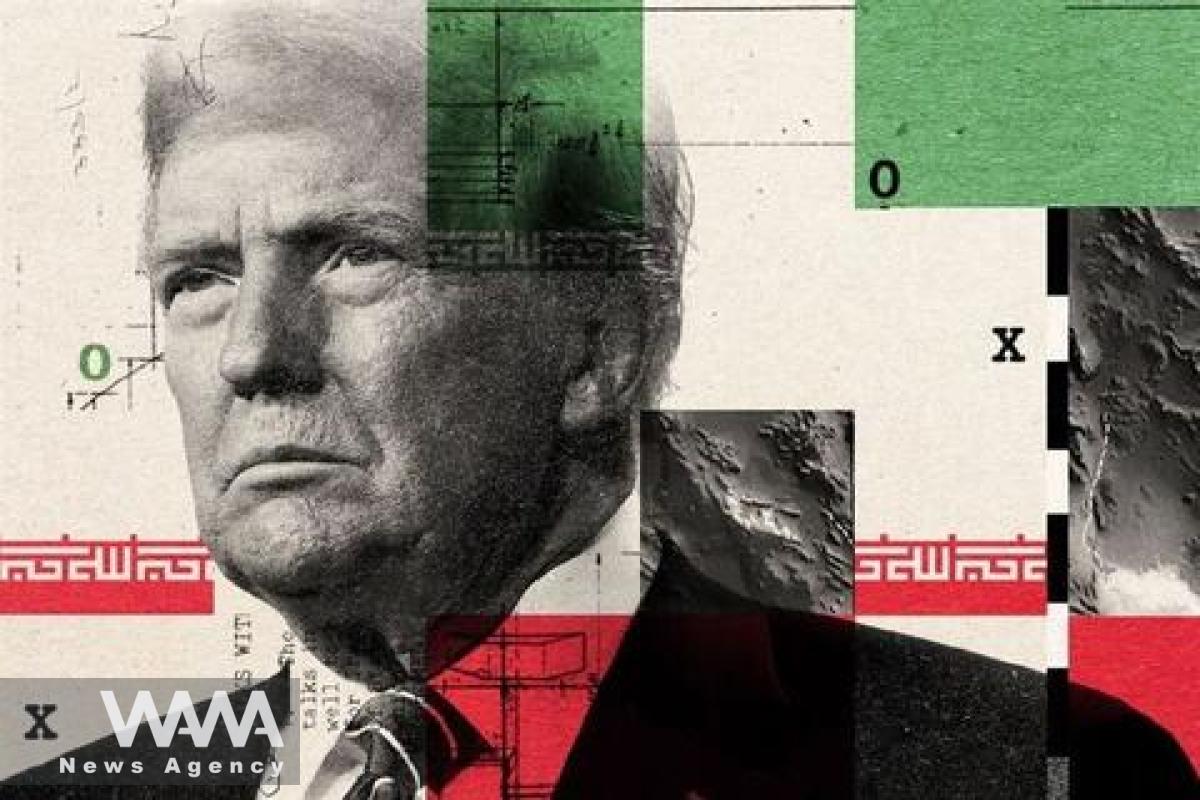
WANA (Feb 17) – In the early hours of Tuesday, February 17, 2026, Donald Trump, President of the United States, announced—on the eve of the second round of indirect negotiations between Washington and Tehran in Geneva—that he would take part in the talks “indirectly.”
Speaking ahead of the talks, Trump stated, “We will be participating indirectly in the negotiations regarding Iran, and we’ll see what happens.” He did not elaborate on the mechanism of this indirect involvement but signaled that the outcome would depend largely on Tehran’s approach.
The U.S. president also criticized Iran’s negotiating posture, claiming that “Iran is a bad negotiator.” At the same time, he expressed hope that Tehran would act “reasonably,” adding, “I think they want to make a deal.”
The remarks come at a sensitive moment, as diplomats gather in Geneva for the second round of talks aimed at addressing tensions over Iran’s nuclear program and broader bilateral disputes. While the negotiations are being conducted indirectly, Trump’s comments underscore Washington’s continued strategic oversight of the process.
For international observers, the timing of the statement is significant. Delivered only hours before the Geneva meeting, it reflects a dual message: a willingness to keep diplomatic channels open, paired with pointed skepticism toward Tehran’s negotiating tactics.
Whether this calibrated tone signals flexibility or pressure remains unclear. What is certain is that the Geneva talks now proceed under renewed political spotlight from the White House, adding another layer of complexity to an already delicate diplomatic effort.