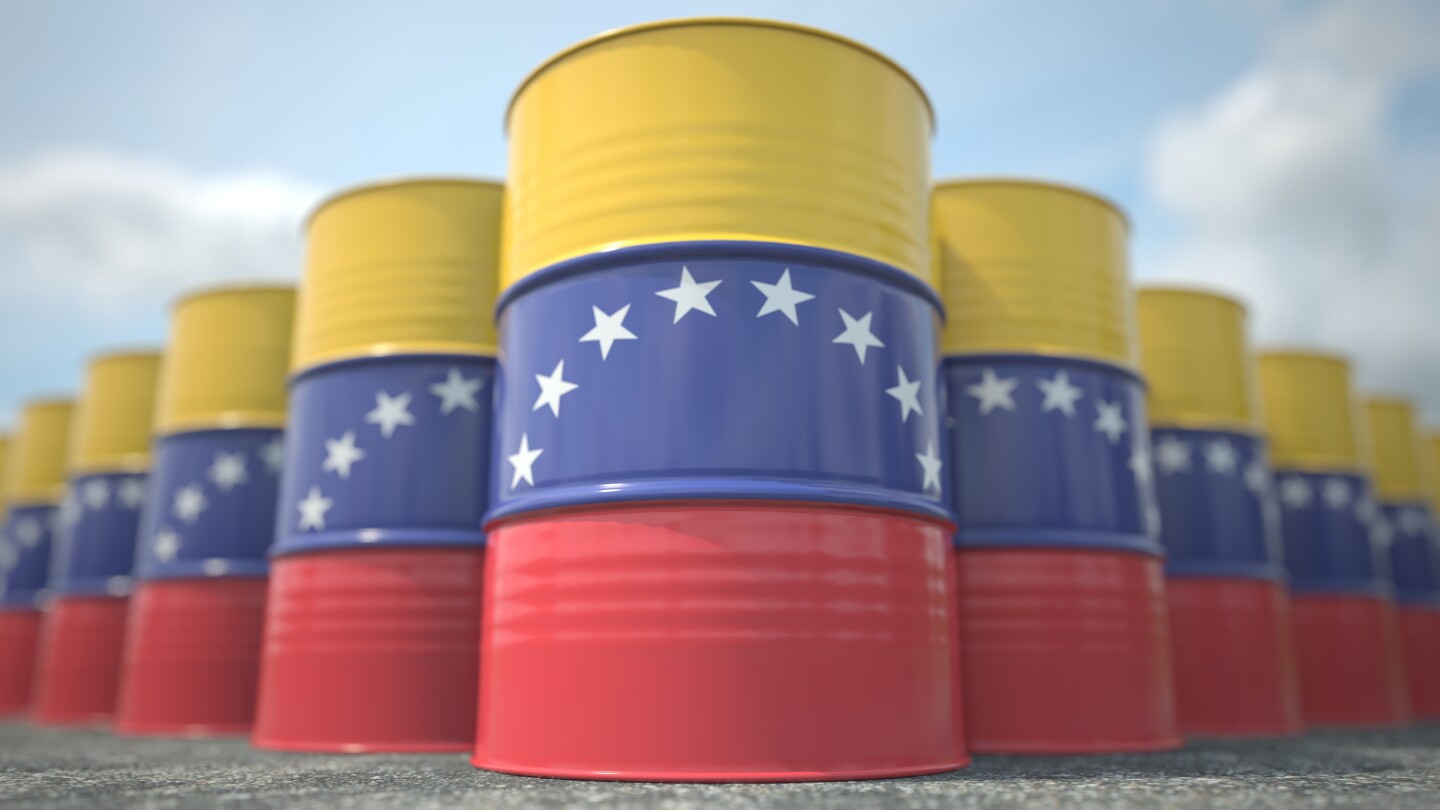
On February 10, 2026, Bloomberg reported that traders shipped Venezuelan crude oil to Israel’s Bazan Group, the country’s largest refinery operator in Haifa. The cargo marks the first Venezuelan delivery to Israel since mid-2020, when Israel imported approximately 470,000 barrels, according to Kpler shipping data.
Industry sources indicate that roughly 200,000 barrels from a larger transatlantic shipment are headed to Bazan’s Haifa refinery, which processes about 197,000 barrels per day. Refiners will likely use much of this heavy crude for bitumen production, while other portions of the cargo are destined for refineries in Italy and Spain.
To place the volume in context, a shipment of 200,000 barrels can supply a refinery of Haifa’s size for about one day. While modest in global terms, individual cargoes remain operationally significant because refineries must maintain steady daily throughput. Even a single diversified shipment can improve supply flexibility and reduce procurement risks.
The shipment [to Israel] reflects deeper changes in Venezuela’s oil sector following a dramatic political transition.
Venezuelan officials denied any direct sale to Israel. Information Minister Miguel Pérez Pirela called such reports fabricated and stated that Venezuela sells oil to traders without controlling final destinations. However, tanker-tracking data and industry reporting show that intermediaries frequently obscure end buyers, and the cargo appears to have reached its intended market despite official denials.
The shipment reflects deeper changes in Venezuela’s oil sector following a dramatic political transition. On January 3, 2026, U.S. forces captured President Nicolás Maduro during an operation in Caracas and extradited him to New York to face federal charges, including drug trafficking and weapons offenses. Acting President Delcy Rodríguez assumed power and moved quickly to restore oil production and attract foreign investment.
Washington eased key sanctions and restructured oversight of Venezuela’s oil exports, directing revenues toward reconstruction while encouraging international companies and trading houses to reenter the market. Within weeks, Rodríguez approved reforms that opened the oil sector to private participation, weakening the long-standing monopoly of the state oil company, PDVSA. U.S. officials publicly supported these measures and projected significant production growth if investment continues.
These reforms aim to reverse one of the steepest production declines in modern oil history. Venezuela holds more than 300 billion barrels of proven reserves, the largest in the world. Yet years of mismanagement, corruption, and sanctions reduced output from more than 3 million barrels per day in the 1990s to roughly 360,000-500,000 barrels per day by 2020-2025.
Since Maduro’s removal, exports have begun to recover as traders cleared stockpiles and reopened formal shipping channels. Production could rise to around 1.1 million to 1.2 million barrels per day by mid-2026 if reforms hold. Although that level would remain far below Venezuela’s historical peak, it would still add substantial volumes of heavy crude to global markets.
For Israel, access to Venezuelan oil provides a clear strategic benefit: diversification. Israel imports nearly all its crude and deliberately spreads purchases across multiple suppliers to reduce vulnerability to disruption. Past suppliers have included Azerbaijan, Kazakhstan, Iraqi Kurdistan, and spot purchases from additional producers.
Heavy Venezuelan grades such as Merey match the technical requirements of the Haifa refinery and often trade at competitive prices. This compatibility matters as regional shipping risks increase, particularly after attacks on commercial vessels in the Red Sea and ongoing tensions involving Iran. Each additional supplier reduces dependence on any single corridor and strengthens Israel’s energy security.
[Venezuela’s] new leadership has moved toward cooperation with the United States and Western investors.
The reappearance of Venezuelan oil in global markets also reshapes trade patterns. China previously purchased a large share of Venezuela’s exports, often at discounted prices. As Venezuelan crude reaches a wider range of buyers, Chinese refiners may need to secure heavier grades from Russia or the Middle East, potentially tightening those markets and supporting prices.
India may benefit from the shift. Its large and technologically advanced refining sector can process heavy crude efficiently, and additional Venezuelan supplies improve both flexibility and margins. These adjustments illustrate how changes in one producer’s political and economic conditions can ripple across global energy markets.
Geopolitically, Venezuela’s transition alters regional alignments. Maduro maintained close ties with Russia, China, and Iran, while the new leadership has moved toward cooperation with the United States and Western investors. Several Latin American governments have criticized the circumstances of the leadership change, raising concerns about sovereignty and external intervention, highlighting the broader political debate surrounding the transition.
Uncertainty nevertheless remains high. Venezuela’s oil infrastructure requires extensive repair, and rebuilding production depends on sustained investment, technical expertise, and political stability. Internal divisions and public skepticism could slow reforms or discourage investors, while a rapid production increase could complicate efforts by the Organization of the Petroleum Exporting Countries (OPEC) to manage supply and maintain stable prices.
The shipment to Israel demonstrates how swiftly geopolitical shocks can redirect oil flows. A single cargo of 200,000 barrels will not transform global markets, but it signals a broader realignment already underway. As Venezuela reenters international energy markets and buyers compete for diversified supplies, political change continues to shape the movement of oil as decisively as pipelines and tankers themselves.