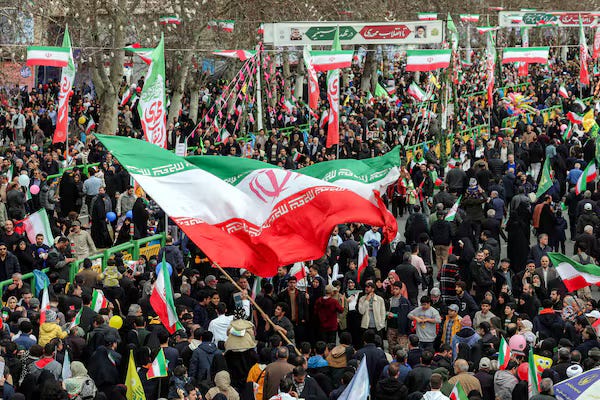
The reporting that comes from our adversaries’ capitals or indeed their military camps is for me often the most compelling kind. So it was with a weary resignation that I saw Lyse Doucet coming under fire, including from some people I respect, for her recent reporting from Iran.
There’s a long history of armchair condemnation of going to ‘the other side’. I can recall those who denounced John Simpson for staying Baghdad in 1991, when Coalition forces were about the begin the liberation of Kuwait, to the Balkan wars or indeed the 2003 invasion of Iraq.
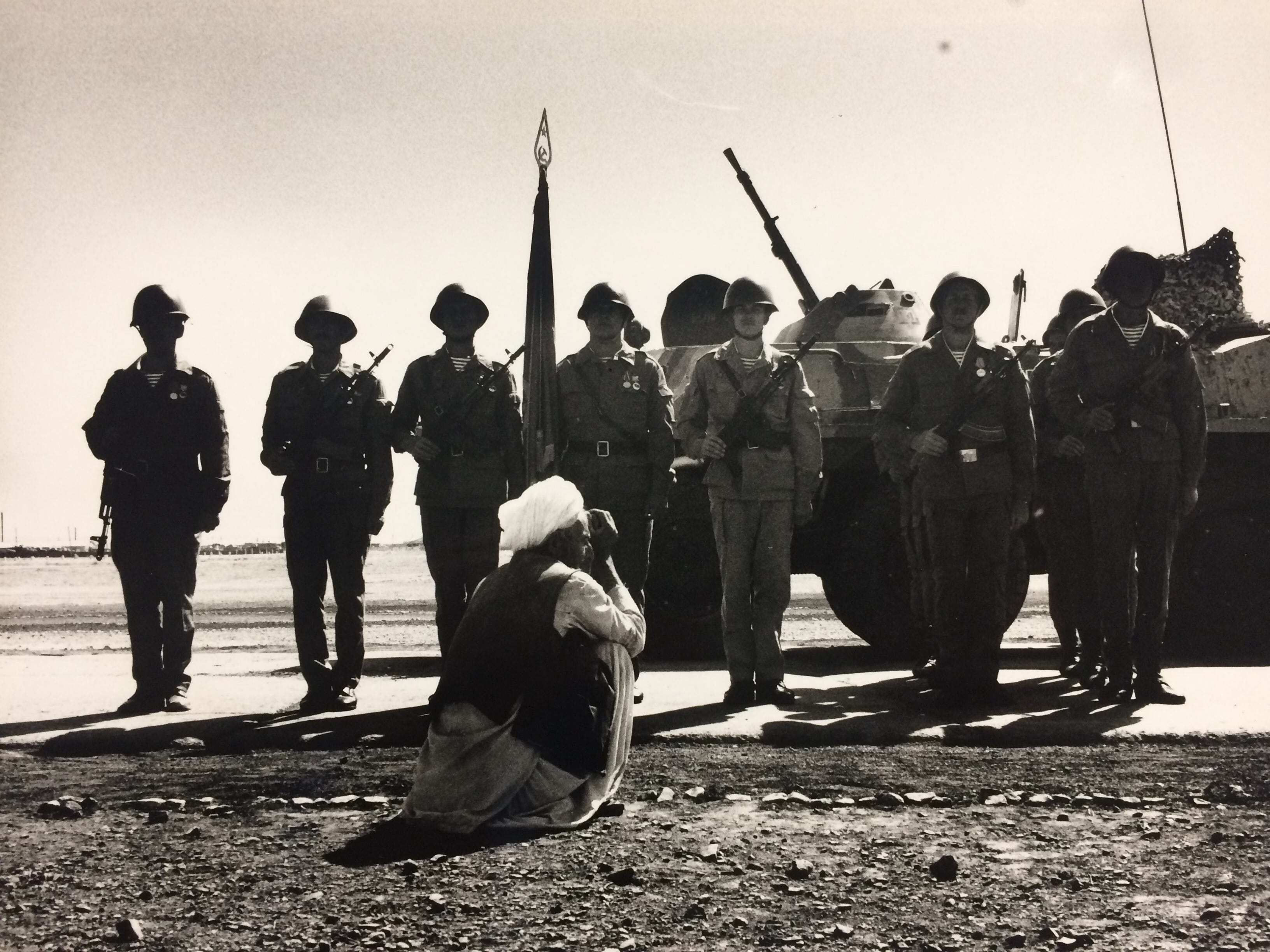
As it happens, I first met Lyse Doucet in 1988 when we were covering the Soviet withdrawal from Afghanistan. Following years of uncritical reporting from the mujahedeen side, the Kremlin and its Afghan allies allowed a small number of foreign reporters in during the last couple of years of the Soviet occupation.
Inevitably some of our colleagues thought we were stupid to go, overestimating the mujahedeen’s competence, while others were ideologically opposed. I was denounced at a public event by Sandy Gall, whose reporting for ITN idolised the Afghan resistance, as a Russian lackey.
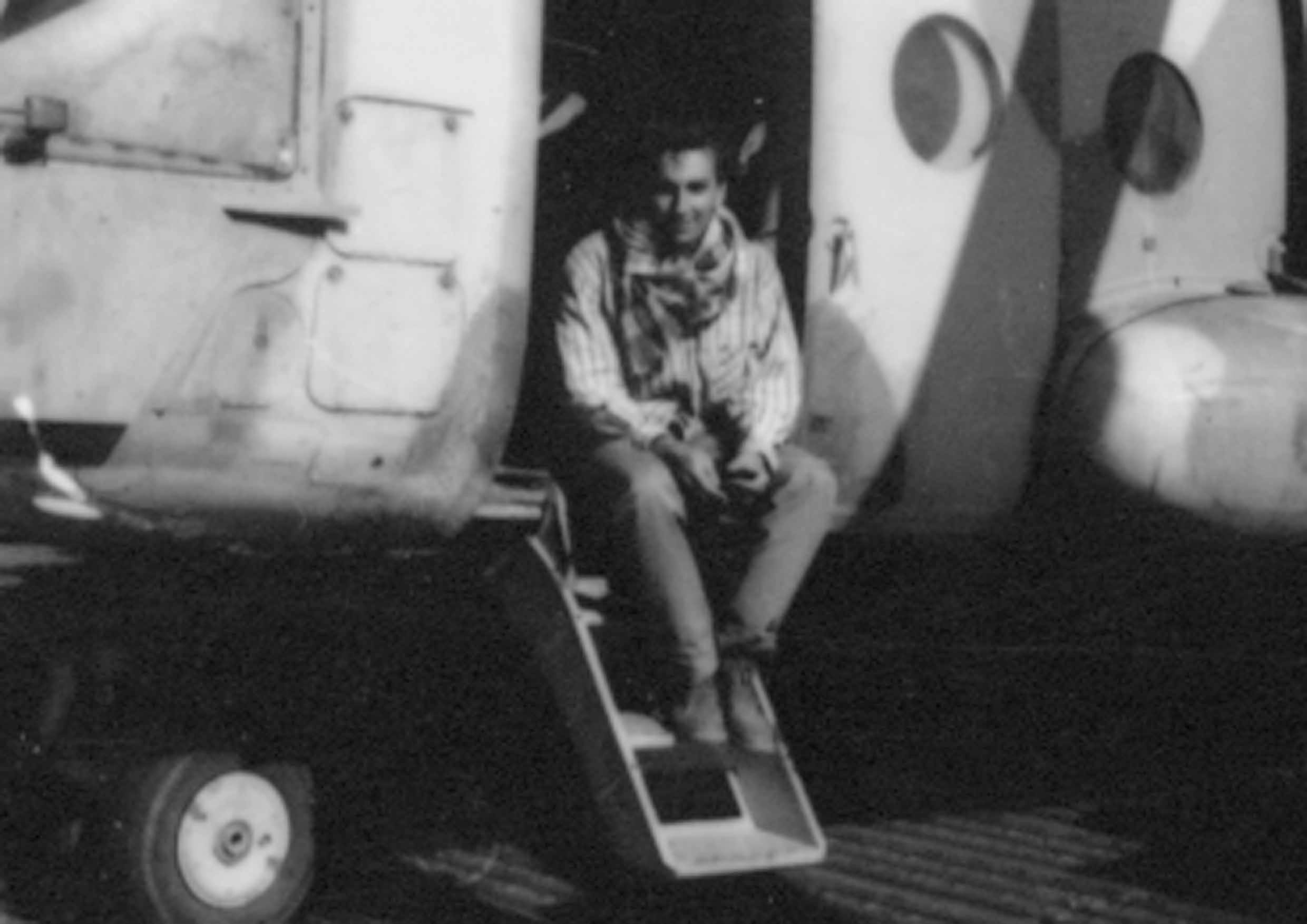
Those early visits were a vital formative experience for me – and I hope illuminated under-reported aspects of a conflict for the readers of The Independent newspaper, which I worked for at the time. Surprise surprise, narratives in times of conflict often de-humanise the ‘baddies’ and over-simplify their motives.
Make no mistake, I was not reporting Afghanistan from a hard left position of sympathy; to me the Soviet occupation was evidently wrong, but I believed my work there should be more about the reality of what was going than an opportunity for moral posturing. I also had some reservations about the CIA or MI6 using hardline Islamist factions in an attempt to humiliate the Soviet Army.
Others reached different conclusions – journalism is a broad church after all. It is also one that attracts flak from all manner of spectators who think they would be doing a better or more moral job if they were there.
The parameters have changed somewhat since I went to Afghanistan decades ago. War and political strife are naturally enough the crucible of murderous actions and similar feelings that now people can vent on social media – pouring hate on those who challenge their views or simply fail to echo them. It is the old game of ‘shoot the messenger’ amplified by bot networks and big budget information warfare.
Old notions of allowing access have been eroded, being replaced with an attitude of ‘are you for us or against us’ and a tendency by belligerents to rely on their own media. So whereas in the 1990s I filmed with Hezbollah and Hamas, gaining pretty good access, that would be far less likely now.
They prefer these days to deal with allied foreign media, for example al Jazeera in the case of Hamas or simply use their own channels. It also became far less easy to engage with hardcore jihadist movements after 9/11, there being too high a risk of being kidnapped and murdered.
Israel of course has also stepped back from more open attitudes of earlier years, blocking independent journalistic access to Gaza since October 2023. They have also increasingly targeted Palestinian journalists, characterising them as belligerents.
Another aspect of this changing attitude is reflected among journalists themselves. The international press exhibits considerable groupthink about who the goodies and baddies are in current conflict. That can lead to excoriation of colleagues who take the less trodden path, seeking stories from the point of view of those the hack pack view as culpable.
The dynamics of this are not always predictable. The BBC’s Steve Rosenberg is very widely esteemed for his reporting from Russia. He’s got the guts to ask difficult questions of Putin or Lukashenko and I’m a big fan.
But make no mistake, along with his factual recounting of the costs of Russia’s war in Ukraine, he will often repeat the Kremlin’s justification for it or the views of ordinary citizens in support of their military. That’s reporting.
It is evident to me, but maybe not to some, that there is a mutual interest in Steve continuing his work. We benefit from it greatly, and we must accept, implicitly since he hasn’t been thrown out, that the Kremlin sees value in it too.
Although there is a pretty wide acceptance of the quality of his work, I think things are different when it comes to frontline reporting. The type of thing I did in Afghanistan, going on operations with Soviet Army troops, would probably today produce much criticism in the Ukrainian context.
Film maker Sean Langan filmed with Russian troops for his 2024 documentary ‘The Other Side’ shown on ITV. Inevitably he was attacked for it by Ukrainians, more disappointingly from many fellow journalists.
I certainly wouldn’t have done what he did, I’ve taken a lot of risks over the years but this would have been too much, a spin too many of the wheel of fortune. However, when I did make a piece for Newsnight about the Russian 331st Paratrooper Regiment in Ukraine, basing it on open source Russian official and social media reporting, a Ukrainian producer at the BBC filed a complaint with my editor that I was ‘humanising the Russians’. Well yes, but that hardly means you support their invasion.
More practically she also suggested I make a film – not from the comfort of London, but on the frontline with a Ukrainian unit. I did this with the 24thMechanised Brigade in 2024 and that producer and I reconciled our differences.
The point for me, and it’s a fairly obvious one, is that in times of conflict, with bitterly contested narratives, it’s worth reporting on both sides. But I think that doing the kind of pieces the late David Sells made for Newsnight in the mid-1990s, from the Serb side of the war in Bosnia-Hercegovina would bring opprobrium on the heads of the BBC.
Sometimes critics use the challenge ‘would you have covered DDay from the Nazi side?’ which is a nonsense in my view. Evidently in a total war of that kind that was impossible but it’s worth remembering how much British or American reporting came out of Nazi Germany while it was still doable.
William Shirer filed reports for CBS radio from Berlin until 1940, more than two years after the outbreak of the Second World War, leaving when attempts to censor his reporting became too heavy. The USA had not joined the war by this date of course, but its position, in theory neutral but actually arming Britain, was not that different to ours today in relation to Ukraine.
Sefton Delmer, reported the rise of Hitler for the Daily Express, gaining such good access to the Nazi inner circle that journalistic rivals accused him of being a sympathiser. Once war broke out he became a purveyor of black propaganda against the Germans, a story told in an excellent book by Peter Pomerantsev.
So we come back to reporting from Tehran by Lyse Doucet earlier this month, with a visa to cover the 47th anniversary of the Islamic revolution there. Some were angry that she talked about the festive nature of pro-government rallies, or that the BBC had gone at all after January’s mass killings of anti-government protestors.
But naturally, she did not ignore the suffering of families who had lost loved ones in that crackdown, going graveside with grieving relatives. She also reminded us that the Islamic regime has a great deal of support still – some estimates based on recent elections put its power base as high as 10m people.
If reporting from Tehran reminds us that a significant part of the Iranian public still backs its government including its repression of dissent, then to my mind we need to hear it. In fact, at a time when serious consideration is being given in the White House to toppling Iran’s leadership by military force it couldn’t have been more timely.