In September, the drilling rig named Alula arrived in Venezuela’s Lake Maracaibo after traveling from China. This was significant because it was the first new drilling equipment seen in years due to U. S. sanctions. However, the rig hit an oil pipeline during its journey, causing a crude leak that took months to repair. Since its installation, crude production in the region has only seen a small increase.
The situation surrounding the Alula serves as a warning for foreign energy companies like Chevron that are eager to expand in Venezuela. Each advancement often encounters new difficulties. Besides Chevron, companies like Repsol from Spain, ENI from Italy, Maurel&Prom from France, and the China National Petroleum Corp also have interests in the country.
U. S. President Donald Trump is encouraging American firms to invest $100 billion to revive the Venezuelan oil industry, which has been neglected for 20 years under previous socialist leadership. The U. S. has begun to ease sanctions following a military action aimed at ousting President Nicolás Maduro, allowing energy companies to engage in oil and gas projects.
If expansion progresses quickly, Venezuela could increase its crude output by about 500,000 barrels per day within six months. U. S. Secretary of Energy Chris Wright has indicated that a significant rise in production is expected soon. Cities like Houston and Venezuela’s oil regions are preparing for a rush of business opportunities, comparable to efforts seen after the Gulf War.
Industry experts predict that initial projects aimed at quickly increasing oil production will involve using existing rigs, refurbishing old wells, and repairing infrastructure managed by the state oil company PDVSA. However, even these simpler projects face challenges, and future efforts will likely become more difficult.
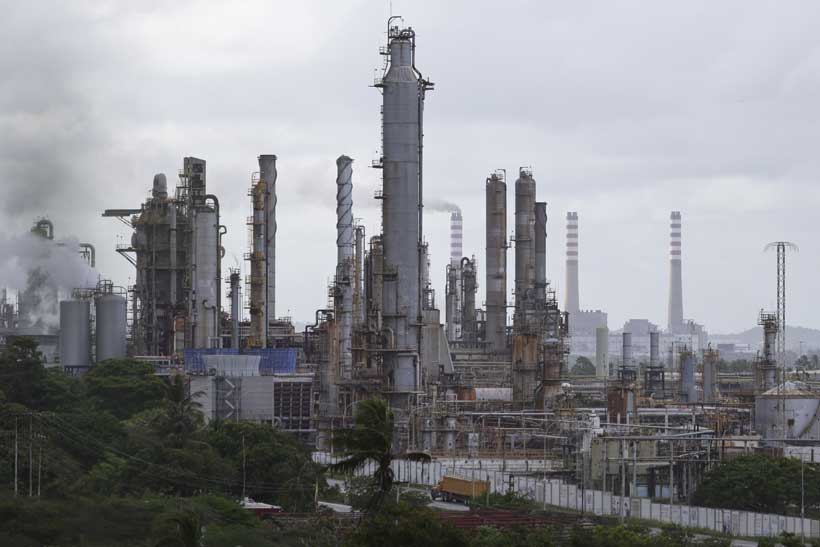
A recent visit by a Reuters reporter to Lake Maracaibo revealed the extent of the decline in the oil industry, with signs of neglect and ongoing issues such as overflowing tanks and long lines for gasoline. This indicates the significant work needed to restore production in one of the country’s oldest oil regions.
One of the first initiatives expected to take place involves China Concord Resources Corp, which brought the Alula to Venezuela. The company plans to increase oil production from two fields through a significant investment, but it faces unplanned challenges like gas supply issues and logistical problems that have hindered progress.
The project’s future is uncertain after Trump expressed disapproval of companies from geopolitical rivals like China and Russia operating in Venezuela. In contrast, Chevron, which has been the only major American oil company active in the country, is well-positioned to capitalize on early opportunities and needs the type of light crude that is being produced.
Light oil from Maracaibo is particularly valuable as it requires less treatment before export, making it less expensive to produce. Chevron also plans to explore reviving existing wells that were shut down and possibly drilling new ones. The company expressed its commitment to working in Venezuela while recognizing the recent changes in U. S. regulations. However, Venezuela’s oil ministry and PDVSA did not respond to inquiries regarding these developments.
Heavier Orinoco crude
Companies involved in oil contracts and projects in Venezuela are seeking access to specialized drilling equipment. Up to 14 drilling rigs owned by SLB, a leading global oil service firm based in Houston, have been sitting unused in Venezuela for years. SLB has been a key service provider for Chevron since 2024, following a broader U. S. license that allows operations in the country. The rigs were previously used for projects with PDVSA but became inactive after the U. S. imposed sanctions in 2019, preventing U. S. firms from operating in Venezuela.
SLB claims it still has operational facilities and personnel in Venezuela and is beginning to collaborate with customers on future steps, expressing confidence in quickly ramping up activities under the right conditions. The drilling rigs are especially needed in the Orinoco Belt, which produces oil through well clusters. However, there is a more immediate need for diluents that mix with extra heavy crude to help reduce oil inventories and increase exports.
Chevron and other partners with PDVSA are trying to secure drilling equipment, and access to crude upgraders and light oil for blending. They also need to renovate infrastructure owned by PDVSA, such as the Bajo Grande export terminal, and dredge the shipping channel in Lake Maracaibo, which hasn’t been properly maintained due to prior sanctions.
To significantly boost output in the Orinoco, Chevron needs to overhaul the Petropiar project’s upgrader, which has not been fully repaired for many years. Out of more than 40 joint ventures between PDVSA and other companies, only five projects have upgraders that can process the Orinoco’s extra heavy oil, where most of Venezuela’s crude reserves are located. Companies lacking upgrade facilities will need to import expensive diluents, which would cut into their profits and present logistical challenges.
North American Blue Energy Partners is working on one rig owned by PDVSA for its Petrocedeño project, which could be ready for use soon, according to sources. An energy strategist mentioned that many Venezuelan oilfields thought to be depleted might still have production potential due to a lack of proper equipment and skills in the past.
An oil service executive noted that Venezuela could raise oil production to 1.5 million barrels per day in under a year if companies secure necessary licenses. However, there are ongoing supply chain issues and security risks, particularly around Maracaibo, and legal uncertainties regarding future contracts and reforms create concerns for investors. Despite some legislative changes offering more autonomy to foreign firms, significant regulatory measures are still needed, and constitutional doubts about recent reforms add to the complexity. The potential for shifts in U. S. policy also poses a risk to investments in Venezuela’s oil sector.
With information from Reuters