VATICAN CITY — The Pontifical Academy for Life’s plenary assembly this year centered around a workshop organized by the Academy from Feb. 16-17 at the Vatican on the theme “Healthcare for all: Sustainability and Equity.”
The president of the academy, Msgr. Renzo Pegoraro, presented the ongoing discussions and goals of the gathering, together with participating experts, at a press conference hosted by the Holy See Press Office on Feb. 17.
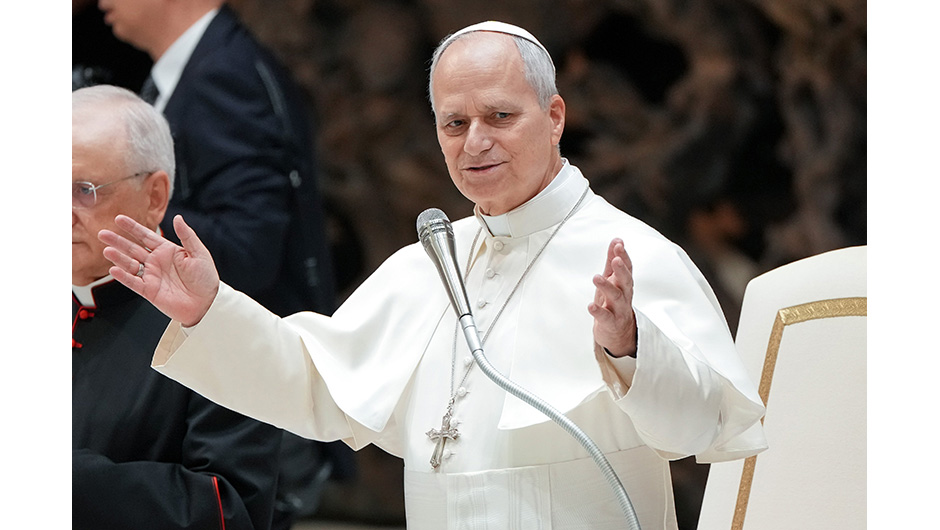
Pope Leo XIV addressed the participants a day earlier, encouraging them in their work and discussions. He noted that, in a world consumed by conflicts, we must dedicate time and resources to promote life and health and address inequalities by strengthening our understanding of the common good.
Highlighting key topics discussed during the meetings, Dr. Ezekiel Emanuel, vice provost for global initiatives and world-renowned bioethicist at the University of Pennsylvania, described how well-functioning health care systems share five core goals: universal coverage, reasonable cost, consistently high quality, reduced disparities (especially between urban and rural areas) and satisfaction for both the public and health care workers.
He explained that universal coverage means everyone is included, with special protection for children, who should receive free care as a social good, and that private insurance can coexist with strong public systems, provided it does not drain essential staff or resources and instead strengthens the overall system, as seen, for example, in countries like Ethiopia.
Keeping costs under control requires defined national budgets — such as limiting spending to a sustainable share of GDP in wealthier nations — and minimizing out-of-pocket payments so no one faces medical debt.
He went on to describe how high-quality care depends on prioritizing children and addressing common health challenges such as chronic diseases, maternal and infant health issues, infectious diseases, and conditions like hypertension and diabetes.
Ideally, he said, systems should shift focus away from hospitals toward community and home-based care, while reducing disparities between urban and rural populations, and between rich and poor.
He explained how emerging AI technologies may help expand access and improve diagnosis and management, particularly in underserved areas.
Professor Sheila Tlou of the African Leaders Malaria Alliance offered examples of where great progress has been made in the provision of health care in Africa. She noted the HIV/AIDS response, when governments increased investments in HIV, tuberculosis, and malaria, while acknowledging how the continent still lags behind on many Sustainable Development Goals across its 54 diverse countries.
Neonatal mortality remains around 63 per 1,000 live births (far above the target of 12), accounting for a large share of global infant deaths, while maternal mortality is about 445 per 100,000 births, compared to a target of 70.
Although HIV infections have dropped significantly — by as much as 70% in some countries — challenges remain, particularly among young women, and prevention of non-communicable diseases like diabetes and hypertension is still insufficient.
She emphasized that primary health care, launched globally in 1978 at Alma-Ata, remains the key solution. Countries such as Botswana, Rwanda and Namibia have made strong progress by investing in community health workers, prevention and free health and education systems, supported by good governance and low corruption.
Botswana, for example, dramatically reduced mother-to-child HIV transmission — from 29% to under 1% — through strong political commitment and sustained funding.
She pointed out that health investment is ultimately a political choice; while African leaders pledged in 2001 to allocate 15% of national budgets to health, few have met that goal, but much can be done today to improve this situation.