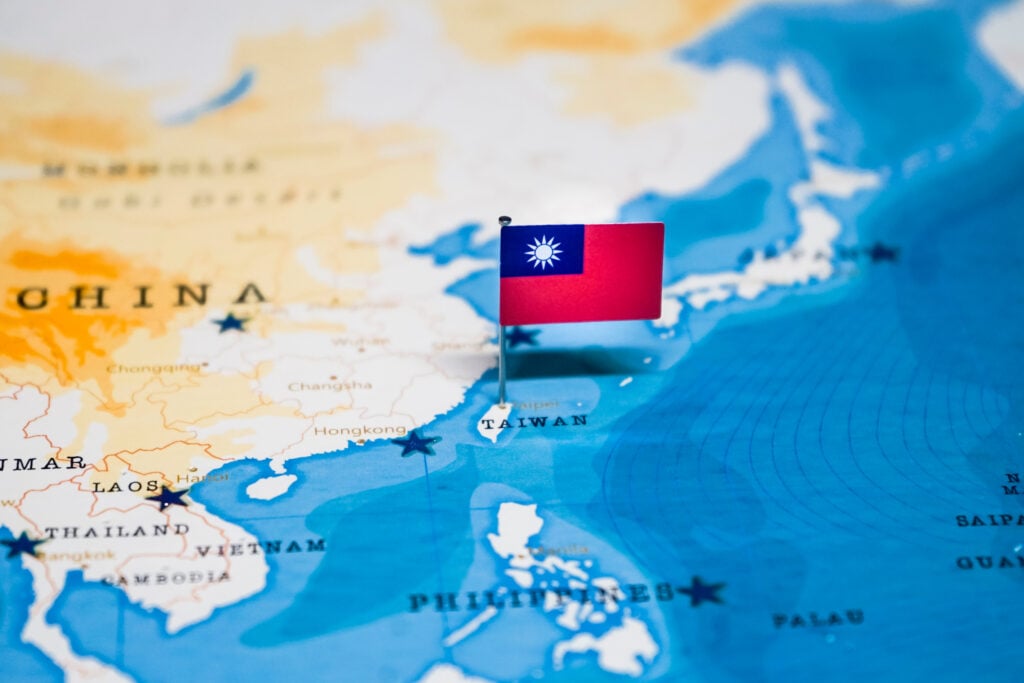
Taiwan is moving quickly to preserve recently negotiated trade benefits with the United States after the U.S. Supreme Court struck down President Donald Trump’s emergency tariff authority, injecting fresh uncertainty into U.S.–Taiwan trade relations.
Vice Premier Cheng Li-chiun said the government is in close contact with U.S. officials to ensure the hard-won preferential terms remain intact. Her remarks followed Trump’s warning that countries should not retreat from newly negotiated agreements, adding that he could impose significantly higher duties under alternative trade laws, the Taipei Times reported Tuesday.
Trump Reignites Semiconductor DisputeExport Surge Raises Future Risks
Cheng, who led the negotiations, said Taiwan is not reopening talks but will remain engaged to protect existing terms, even if Washington adopts new tariff measures through alternative legal channels. She added that countries with signed agreements should be in a stronger position if new trade tools are used and said semiconductor tariff treatment will remain unchanged.
However, she acknowledged Taiwan’s large U.S. trade surplus could pose risks. Recent U.S. data show Taiwan’s exports to the U.S. surpassed China’s in December, with semiconductor shipments reaching nearly $24.7 billion, exceeding mainland China’s $21.1 billion.
Amid escalating tensions, the White House said Trump will travel to China from March 31 to April 2 for talks with Xi Jinping, adding another geopolitical dimension to the evolving chip and trade dispute.
TSM Price Action: Taiwan Semiconductor shares were up 1.64% at $376.11 during premarket trading on Tuesday. The stock is trading near its 52-week high of $380.00, according to Benzinga Pro data.
Image via Shutterstock
Market News and Data brought to you by Benzinga APIs
© 2026 Benzinga.com. Benzinga does not provide investment advice. All rights reserved.
To add Benzinga News as your preferred source on Google, click here.