Japan’s tourism narrative often highlights bustling skylines and culinary adventures, but a recent five-day trip, supported by the Tokyo Convention & Visitors Bureau, through Tokyo, Tottori, and Shimane Prefectures, uncovered a quieter, more reflective side—shaped by windswept dunes, serene gardens, and vestiges of industries that once connected Japan to the world.
Day 1—Tokyo: History hiding in plain sight
Tokyo rarely feels like a city with room to breathe, which makes Hama-rikyu Gardens feel almost subversive. Tucked amidst office towers and highways, this former feudal garden preserves pockets of calm that predate much of modern Tokyo.
The Sambyakunen-no-matsu, a 300-year-old pine, stretches horizontally, its branches carefully propped yet untouched by time.
Nearby, reconstructed ochaya (teahouses) offer glimpses of Edo-period leisure, when shoguns entertained guests and rested during falconry. Even the kamoba—narrow duck-hunting trenches—reflect a strategic approach that relied on skill rather than luck.
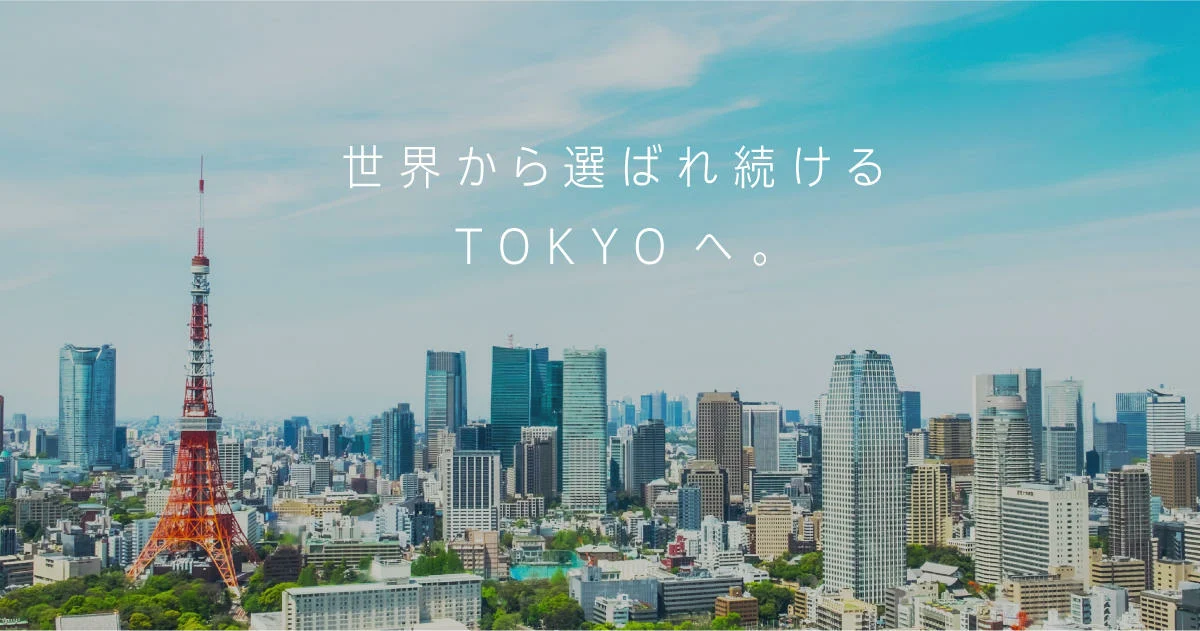
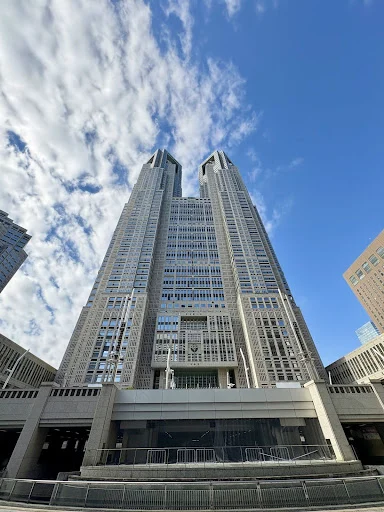
Later that day, Tokyo revealed its familiar contrasts. The Tokyo Metropolitan Government Building Observatories, at 202 metres atop two towers, provides sweeping city views, with Mt. Fuji sometimes peeking through the haze.
Meanwhile, Shibuya Crossing orchestrates organised chaos, with thousands crossing every two minutes. For the best view, head up to MAGNET by SHIBUYA 109
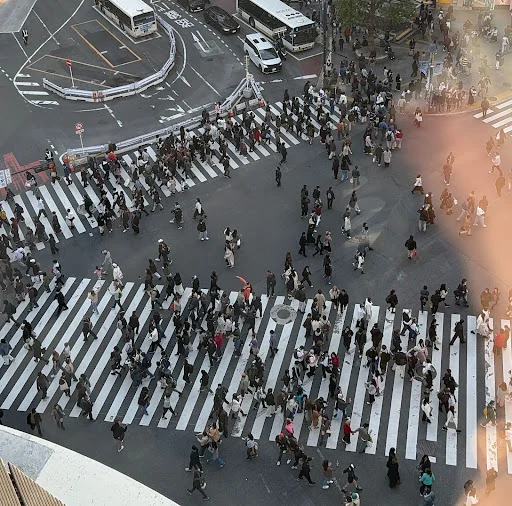
(View taken from CROSSING VIEW & ROOFTOP LOUNGE MAG8 – but keep in mind, this location will be closed for renovations starting January 2026, with a scheduled reopening in early March.)
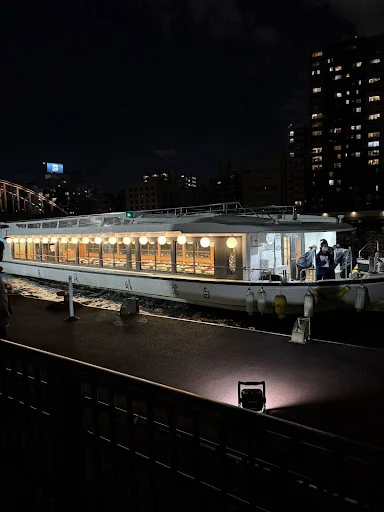
The day concluded aboard YAKATABUNE HARUMIYA, gliding past Odaiba’s illuminated waterfront whilst the city’s distant hum softened into a tranquil, floating escape.
Day 2—Tottori: Unedited landscapes
A flight north with All Nippon Airways (ANA) brings a sudden shift in scale. In Tottori, Japan’s largest sand dunes stretch 16 kilometres along the Sea of Japan, their forms constantly reshaped by wind and tide—geology in motion.
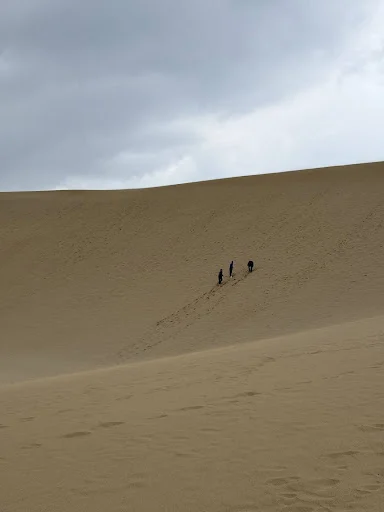
The Tottori Sand Dunes Visitor Centre explains the science behind the shifting sands, from the intricate patterns to the deep-rooted plants and resilient wildlife.
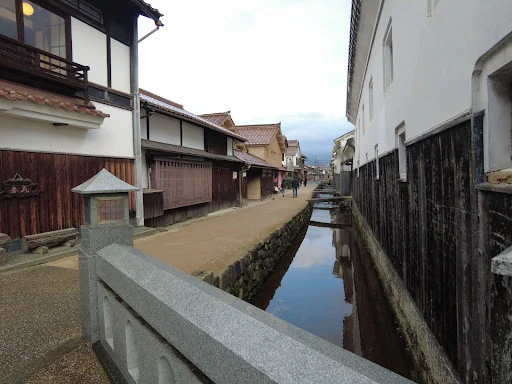
Nearby, Kurayoshi Shirakabe Storehouses offers a quieter rhythm. White-walled buildings with cedar facades and red-tiled roofs line streets and rivers, many still serving as homes, shops, and workshops, preserving a sense of the past amid daily life.
Day 3.1—Shimane: Gardens as art
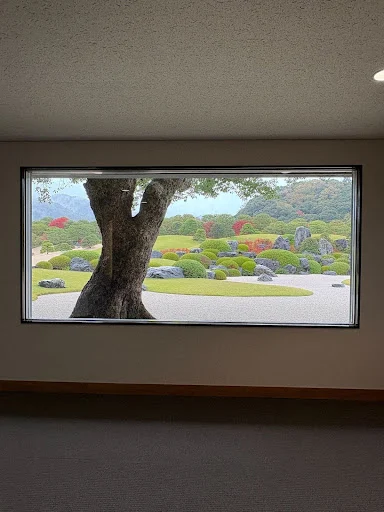
The Adachi Museum of Art is celebrated for its Japanese painting collection, yet its gardens have become the true highlight. Founder Zenko Adachi envisioned gardens as living paintings, so visitors view them from wide museum windows rather than walking through them.
From these vantage points, landscapes of raked white gravel, sculpted pine trees, and distant hills unfold like art in motion.
Day 3.2—Tottori: Forests as guides
Later, the afternoon led to the beech forests of Mt. Daisen. A two-hour shaded trail offered a serene contrast, reminding visitors why these forests were long considered sacred—a place for reflection beneath towering trees.

Day 4.1—Tottori: The structure that frames a view
The Shoji Ueda Museum of Photography blurs the line between building and exhibit. Opened on 23 September 1995, the concrete structure by Shin Takamatsu faces Mt. Daisen like a frame awaiting its image.
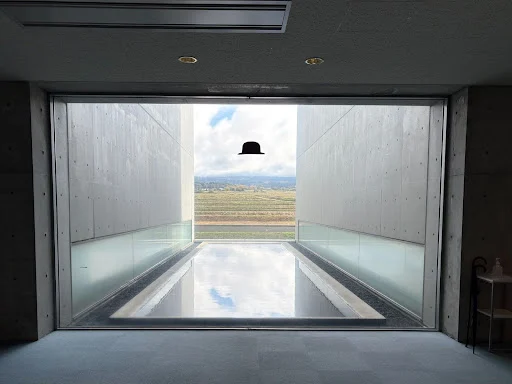
Ueda’s signature surreal, playful compositions extend outdoors, where reflective pools encourage visitors to create their own “Ueda-style” photographs. Props like Ueda’s iconic hat and cane invite playful experimentation, letting guests step into his whimsical world.
Day 4.2—Shimane: Peonies and a shrine of “connections”
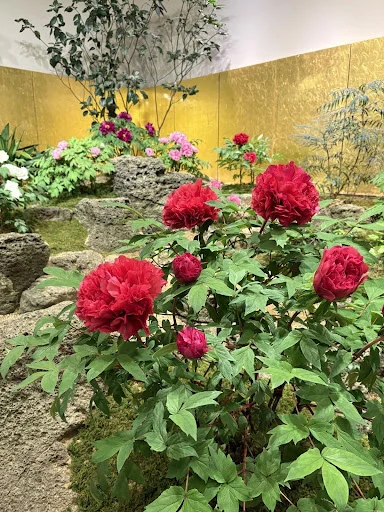
On Daikonshima Island, YUUSHIEN Garden shifts the mood. Renowned for its peonies, showcased year-round in the Peony House, the garden encourages leisurely strolls. On-site restaurant features local specialities, including Daikonshima ginseng, incorporated into kaiseki meals and broths.
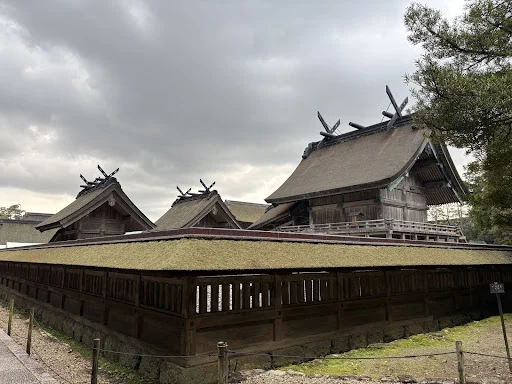
The day concludes at Izumo Taisha Grand Shrine, one of Japan’s oldest Shinto sites. Dedicated to the God of “en,” symbolising human connections, the shrine features a massive shimenawa and centuries of ritual. Its honden, built in the ancient taisha-zukuri style, is a national treasure.
Each year, as the lunar calendar turns to its 10th month, the gods are said to journey toward Izumo. Elsewhere in Japan, the shrines fall quiet in Kami-nazuki, the “Month Without Gods.” But in this land, the opposite is true. Izumo calls it Kami-arizuki—the “Month With Gods.”
Day 5—Shimane: Where silver once moved the world
Iwami Ginzan Silver Mine, a UNESCO World Heritage Site since 2007, connects rural Shimane to global history. At its height, it supplied much of the world’s silver during the Age of Exploration, shaping trade routes and alliances.
Today, only a handful of the roughly 1,000 tunnels are accessible. In the narrow Ryugenji Mabu tunnel, Edo-period chisel marks remain visible, a testament to centuries of labour. Carved from solid rock, the passages are just wide enough for one person to pass and for miners to work in shifts.

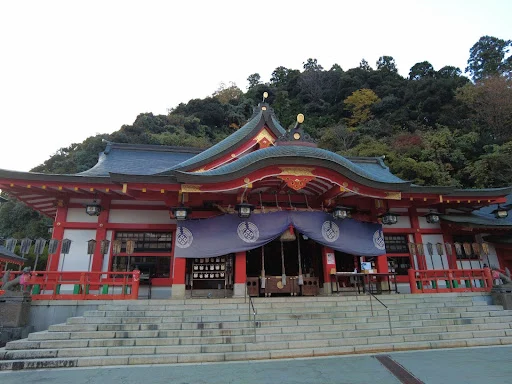
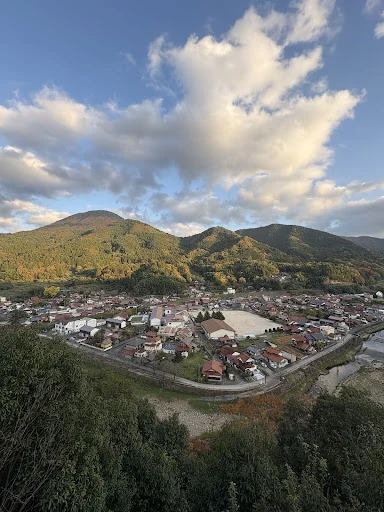
A short drive away, Tsuwano offers a quieter slice of history. White plaster buildings with mud roofs line streets mirrored by koi-filled canals. The town was home to writer Ougai Mori and philosopher Amane Nishi.
Rising above, the Taikodani Inari Shrine guides visitors through a tunnel of 1,000 red gates. The climb reflects the town itself: understated streets below conceal rich layers of history and culture, waiting to be discovered.