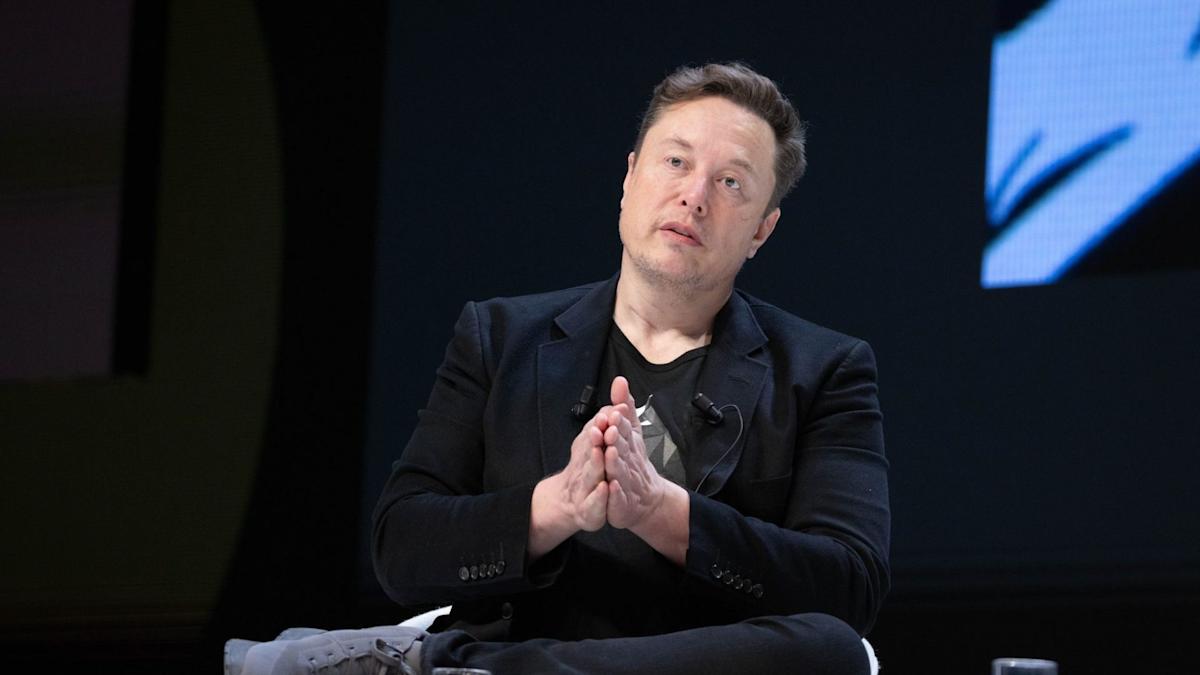
Elon Musk recently made headlines after suggesting that Americans may not need to worry about saving for retirement in the future.
In an interview, Musk said people won’t have to worry about “squirreling money away for retirement in 10 or 20 years,” because it “won’t matter.” On the “Moonshots with Peter Diamandis” podcast, he argued that AI will soon make it possible for people to have “whatever you want,” eliminating the need to save altogether.
Find Out: What You Need To Save Monthly To Retire Comfortably in Every State
Read Next: 5 Clever Ways Retirees Are Earning Up To $1K per Month From Home
Musk has also predicted that AI will usher in a system of “universal high income,” where people would no longer need to work to support themselves.
While that future may sound appealing — especially to Americans anxious about retirement — financial experts say relying on it coming to fruition could be a costly mistake. Here’s why Adam Bergman, a self-directed retirement expert and founder of IRA Financial, believes Musk’s advice is not only unrealistic, but potentially dangerous for U.S. workers planning their financial futures.
Bergman said the biggest problem with Musk’s vision is the assumption that the government will be able to provide a reliable financial backstop for everyone. In his view, Americans should already be concerned about the long-term health of existing programs like Social Security.
“Social Security can go bankrupt in the next five years,” he said. “So we’ve seen what [can happen with] a system that’s government-created, that’s meant to target a financial pitfall of getting old.”
Expanding that model to provide guaranteed income for all Americans, regardless of age or income, raises serious concerns, he added.
“Having a similar framework for people of all ages and all income brackets to get free money from the government is crazy,” Bergman said. “We don’t have the money to pay for it.”
Even if some form of universal high income became possible, Bergman warned that it could come with unintended economic consequences — particularly inflation. He pointed to the recent past as a cautionary example.
“We saw just in COVID, [the stimulus checks] created inflation that we’re still dealing with today,” he said. “So if you give everyone $50,000, you’re just going to create more inflation. The prices are just going to increase, and nothing’s going to get solved.”
In other words, more money doesn’t necessarily translate into more purchasing power, especially if costs increase alongside income.