US Secretary of State Marco Rubio spoke with Iraqi Prime Minister Mohammed Shiaa al-Sudani on March 9. This is an important call by the top American diplomat to try to get Iraq to rein in attacks by Iranian-backed militias in Iraq.
However, the Iraqi response has not been robust, and the messaging from Baghdad does not indicate they will adhere to the US demands or even recognize and admit what is happening.
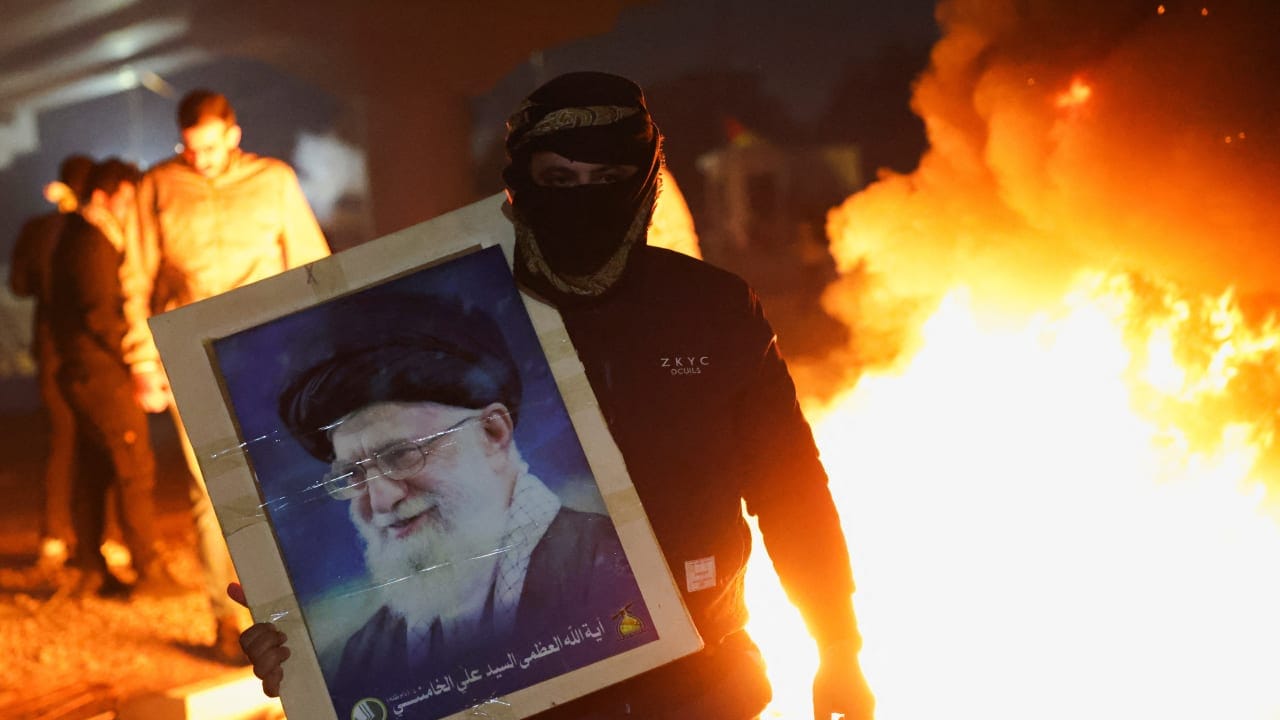
After the US and Israeli strikes on Iran on February 28, there have been hundreds of attacks by Iranian-backed militias and Iran in Iraq. The attacks have targeted US forces as well as Kurdish opposition groups that are present in Iraq.
The attacks have also targeted hotels in the Kurdistan Region of Iraq. The attacks have increased over the past week. Several people have been killed, including a security officer at Erbil International Airport. Erbil is the capital of the autonomous Kurdistan region.
Rubio spoke with Sudani on Monday. “The Secretary strongly condemned terrorist attacks by Iran and Iran-aligned terrorist militia groups in Iraq, including in the Iraqi Kurdistan Region. They reiterated the importance of the Iraqi government taking all possible measures to safeguard US diplomatic personnel and facilities,” the US Department of State noted.

Sudani is the prime minister of Iraq, but Iraq is supposed to choose a new prime minister in the wake of elections in November 2025. In the last few months, Iraq has not agreed on a choice.
The Shi’ite parties in Iraq, who work together under an umbrella grouping called the Coordination Framework, have not settled on a candidate. They initially chose Nouri al-Maliki, a former prime minister.
However, US President Donald Trump said he opposed Maliki, who is considered close to Iran. Trump warned Iraq that US support for the country would end if Maliki assumed the role. Maliki then dropped out.
Iran-backed militias push Iraq toward deeper crisis
Iraq is now at a crossroads. Iran is increasingly turning Iraq into a battlefield. Iraq appears unwilling to rein in the militias in Iraq. Iraqis know the situation is dire.
There is hoarding of food as some people fear supplies of food will run low. Iraqi oil exports are evaporating because the Strait of Hormuz is effectively closed to shipping as companies can’t afford insurance during wartime.
Sudani’s office mentioned the call with Rubio and said that during the call, “they reviewed the situation in the region and discussed the latest ongoing developments.”
The Office of the Prime Minister of Iraq said that “during the call, the Prime Minister affirmed Iraq’s commitment to protecting diplomatic missions, embassies, and consulates represented on its territory, noting that this is among the core duties and responsibilities of the Iraqi armed forces across all branches.”
Sudani “highlighted the importance of ensuring that Iraqi airspace, territory, and waters are not used for any military action targeting neighboring countries or the region. He stressed Iraq’s commitment, across all state authorities and popular, political, and national forces, to its principled position of not engaging in military actions, while rejecting any attempt to drag the country into ongoing conflicts and rejecting violations of its airspace by any party.”
They also discussed having Iraqi oil exported through Turkey, via the Kurdistan region. This is an irony. Iraq allows militias, which have links to the government in Baghdad, to attack the Kurdistan Region. Then, Iraq also wants the Kurdistan region to help sell the oil.
Sudani’s office did not mention the attacks by militias. Meanwhile, Iraq’s Ministry of Foreign Affairs has put out a statement. The “Ministry of Foreign Affairs expressed its ‘strong’ condemnation and denunciation of the ‘attacks’ targeting diplomatic and consular missions in Baghdad and the Kurdistan Region of Iraq, as tensions escalate in the region.”
The ministry said that “the Republic of Iraq’s firm position in rejecting any attack targeting diplomatic and consular missions, and its commitment to providing them with full protection, in order to ensure the continuation of their work and the performance of their duties in a safe environment, in accordance with relevant international obligations.”
It called on Iraqi authorities to “follow up on any incidents affecting missions, and will take the necessary legal measures against those involved, in order to ensure the protection of diplomatic and consular missions, maintain their security, and prevent the recurrence of such incidents.” However, the Iraqi government doesn’t seem to be willing to actually do this.
Now, Shafaq News in Iraq notes that the US Embassy in Baghdad has “warned its citizens in Iraq on Tuesday of escalating security risks, noting that they face threats including kidnapping and attacks that could target Americans and their interests, and urging them to leave the country when conditions permit.”
This continues to illustrate how Iraq cannot control the Iranian-backed militias and their threats. The Iranian-backed militia Kataib Hezbollah kidnapped Princeton researcher Elizabeth Tsurkov in March 2023. She was only released in September 2025, largely due to US pressure to help free her.
She holds Israeli and Russian citizenship. She is one example of how Iraq has not been able to control the militias in Iraq that are backed by Iran.